
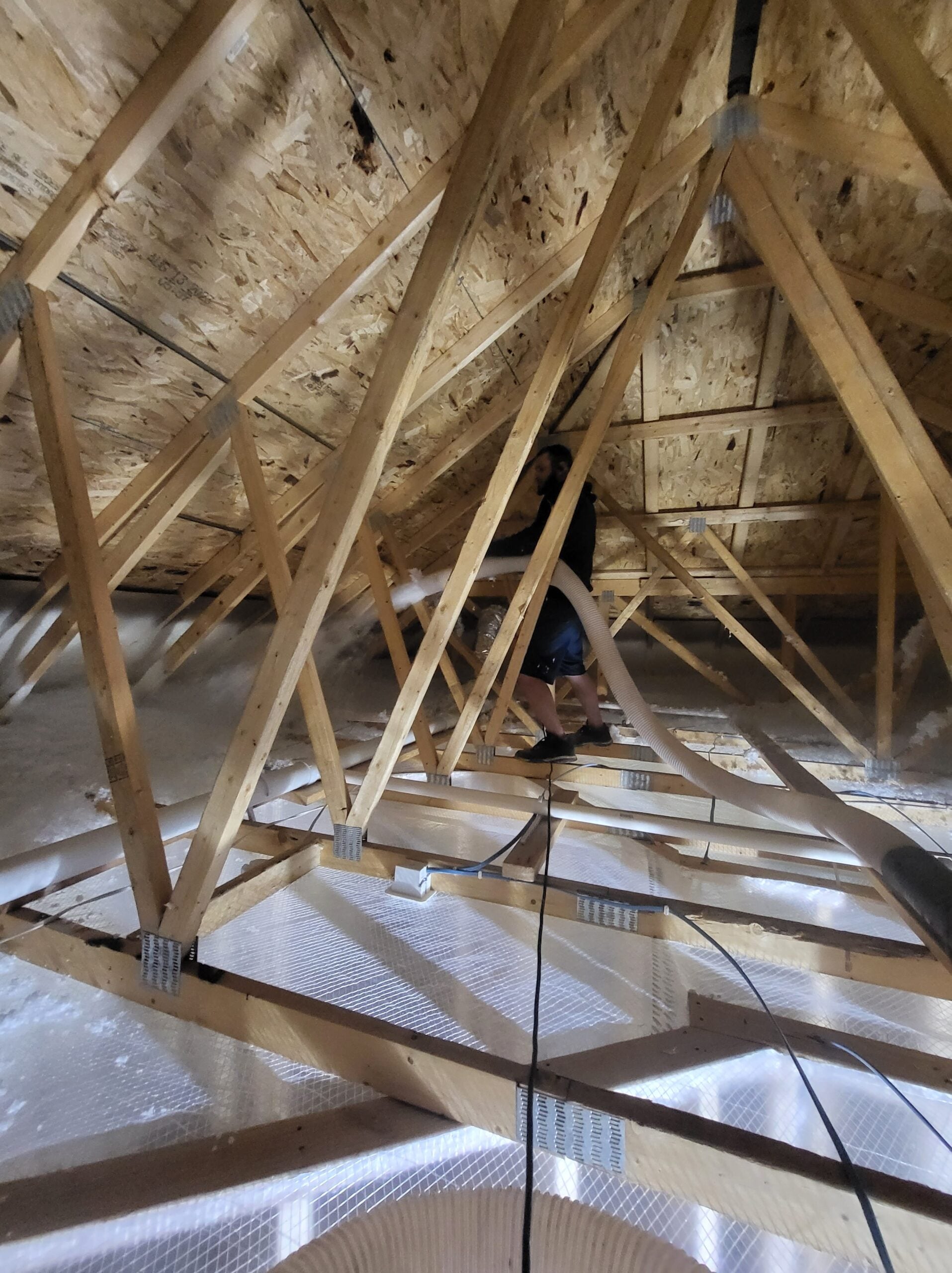
Blown-In & Batt Insulation Across Wisconsin
Not a contractor who treats fiberglass as the cheaper alternative to foam. A construction-backed insulation operation with dedicated fiberglass equipment, moisture-aware installation practices, and the product range to match the right system to every application in Wisconsin homes, commercial buildings, and rural properties across the full state.
Why Choose Technical Construction Solutions for Blown-In and Batt Insulation in Wisconsin?
Wisconsin's unique climate demands insulation that performs during both freezing winters and humid summers. Unfortunately, many standard blown-in attic jobs ignore summer vapor drive and air bypasses, leaving second floors uncomfortably hot during July and August.
For example, a homeowner in Weston, near Wausau, paid for blown-in insulation but still suffered from a sweltering second floor in the summer. While the center field depth was fine, the previous contractor had failed to seal the top plates and knee wall transitions. This allowed warm, humid summer air to bypass the insulation entirely, destroying its effectiveness.
By air-sealing these critical bypasses with spray foam first, and then restoring the proper blown-in depth at the eaves and perimeters, we secured the envelope. For the first time, the home's second floor easily held a comfortable temperature through the summer afternoons.
True thermal performance in Wisconsin requires understanding how air sealing and insulation work together as a complete system. Founded by Freddy Lewis, Wisconsin's building envelope specialists built its foundation on advanced foam technology before adding dedicated fiberglass rigs. This systems-level expertise ensures we correctly diagnose and seal your entire building envelope, rather than just blowing in product and walking away.
If your Wisconsin home suffers from high energy costs or uncomfortable rooms in the summer or winter despite existing insulation, contact Technical Construction Solutions for a free estimate.
Blown-In Insulation Services Across Wisconsin
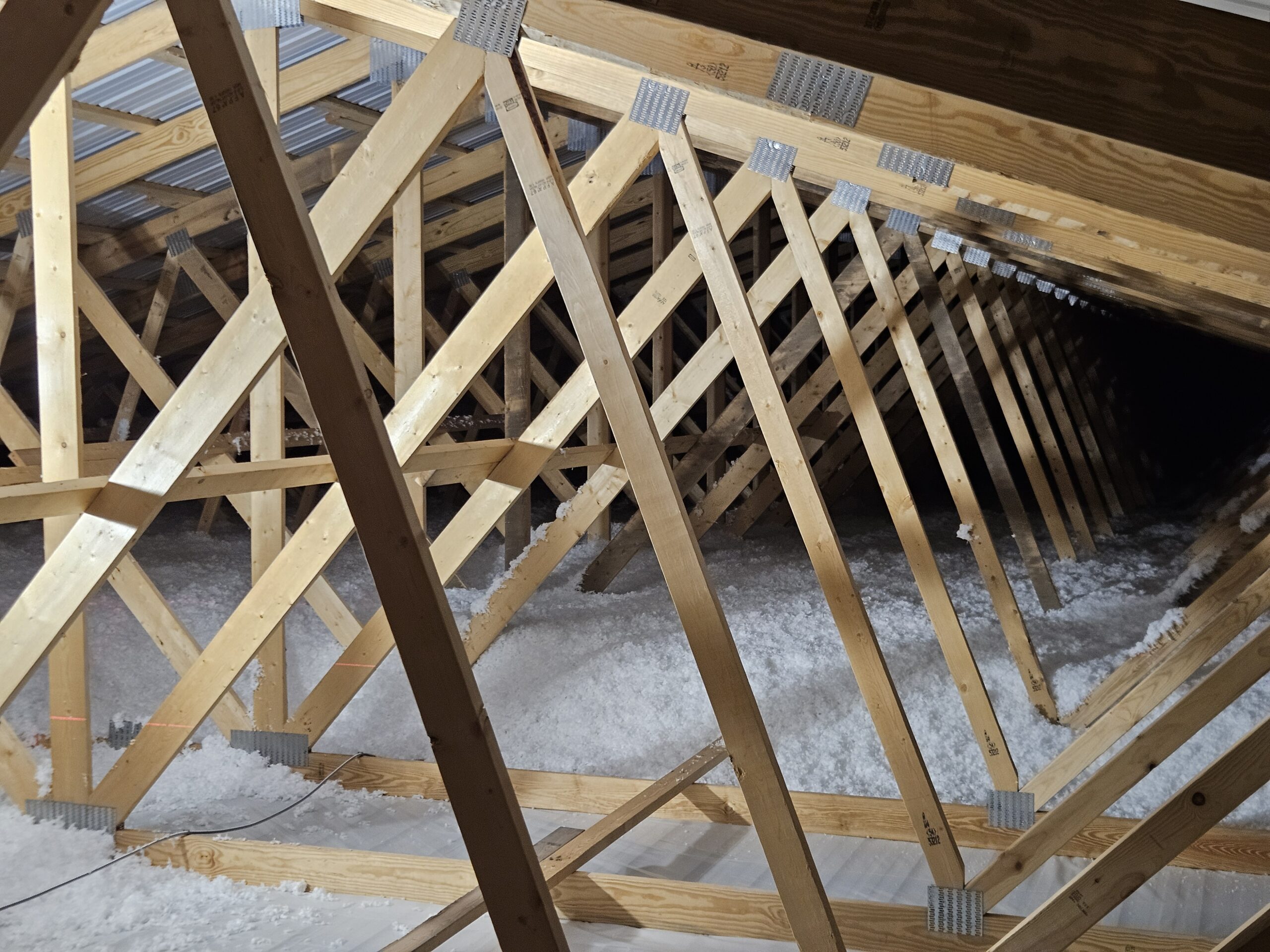
Attic Blown-In Insulation
For Wisconsin homeowners, the attic is the highest-impact zone for thermal loss across both the heating and cooling seasons. The standard a properly installed blown-in attic needs to meet in Wisconsin is not the same as a purely cold-climate market. Wisconsin's summer humidity creates vapor drive conditions that push moisture into attic assemblies, and an attic insulated without addressing those pathways will underperform in August for the same reasons it underperforms in January.
The performance variables that determine whether an attic delivers its rated R-value are consistent. Bypass sealing at top plates, knee wall transitions, and attic penetrations must happen before insulation goes in. Coverage depth at the eave lines and fill density that resists air movement are non-negotiable. This crew addresses each of those variables as part of the standard project scope, not as optional add-ons.
For older Wisconsin housing stock across communities like Appleton, Sheboygan, Fond du Lac, Wausau, and the rural counties of the Northwoods, blown-in over existing material is frequently the most practical path to a performance improvement that addresses both winter heating load and summer cooling load.
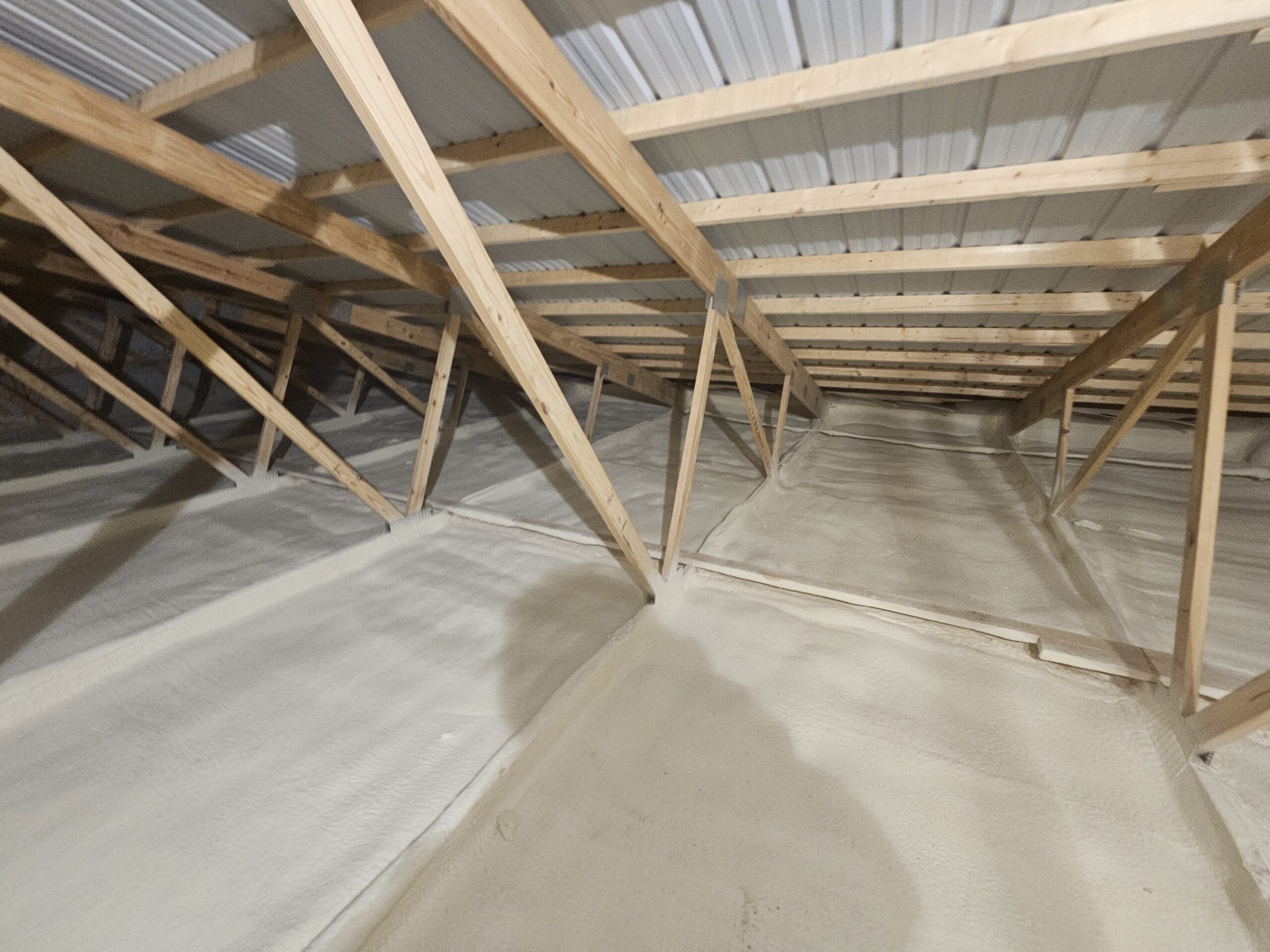
Existing Wall Cavity Blown-In
Wisconsin's older residential housing stock in cities like Oshkosh, Racine, Green Bay, and lake communities along the Door Peninsula carries a significant inventory of homes where wall assemblies were built with minimal insulation that has long since settled and degraded.
Those wall cavities represent a thermal loss path in both directions. In winter, they allow cold air infiltration. In summer, Wisconsin's lake-effect humidity and heat push vapor through those same cavities. Blown-in into existing wall cavities through drilled access holes addresses both directions of heat transfer and vapor movement simultaneously, without requiring removal of exterior cladding or interior finish.
Density is the variable that separates a wall cavity that holds its R-value from one that settles within the first season. This crew verifies fill density at each cavity before access holes are patched. For Wisconsin homeowners, wall cavity blown-in is frequently the renovation investment with the most direct return across both seasons.
Batt Insulation Services Across Wisconsin
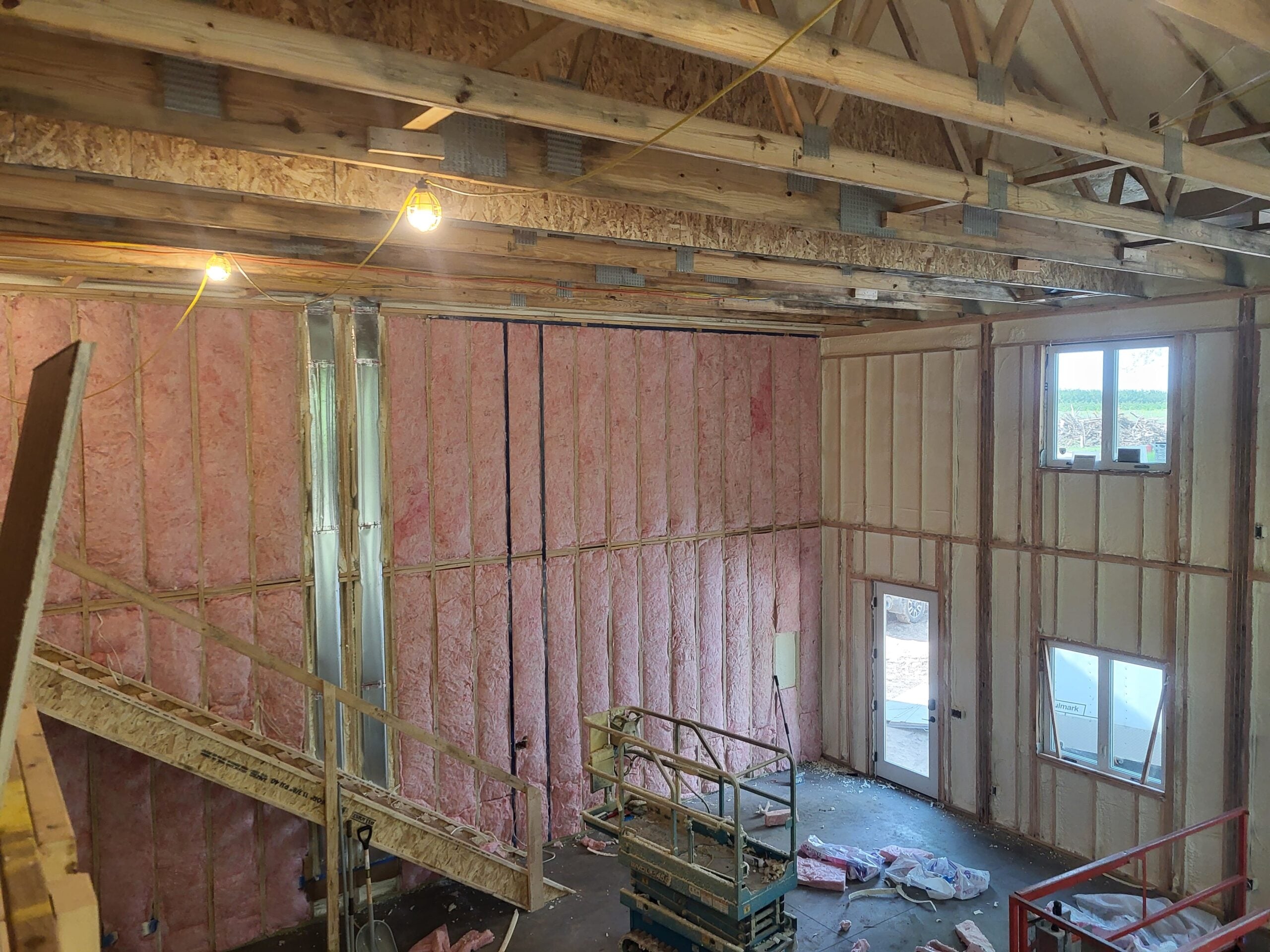
Why Batt Insulation Earns Its Place in the Right Application
Batt insulation is not the highest-performance system across every application. But in the applications where batts genuinely belong, fiberglass or mineral wool batts installed correctly deliver reliable, cost-effective thermal performance that works within the budget realities of residential new construction and renovation projects across Wisconsin.
The right application for batts is an open wall or floor cavity where framing is fully exposed, cavity geometry is regular, and the budget makes spray foam less practical. In those conditions, batts installed with full cavity coverage, correct facing orientation, no compression, and no gaps perform at their rated R-value for the life of the assembly.
Facing orientation becomes highly consequential in Wisconsin's mixed heating and cooling season. The correct vapor retarder placement depends on the specific assembly type and the dominant moisture drive direction. This crew makes those distinctions rather than applying a single facing standard to every cavity in the building.
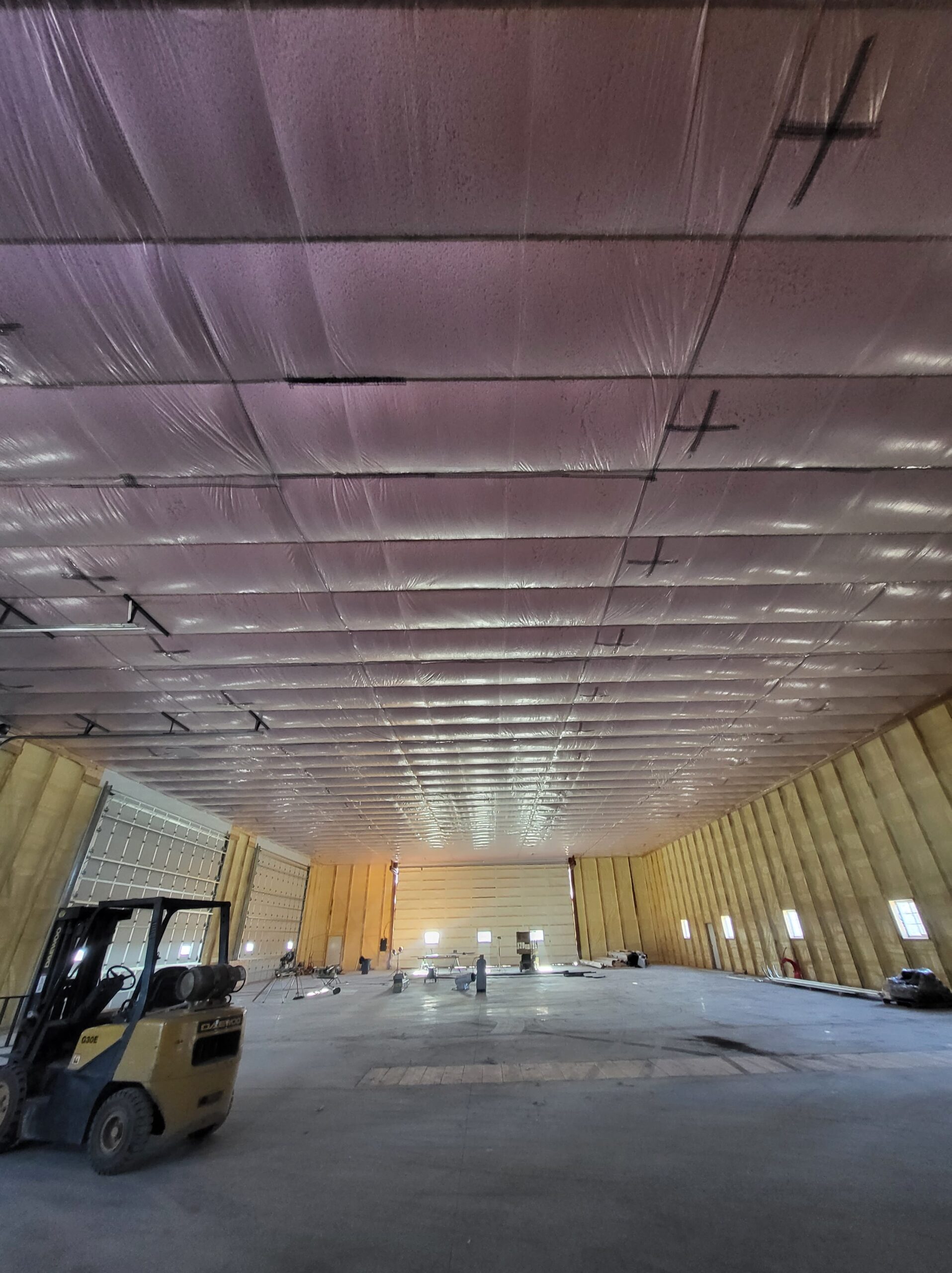
Residential Batt Insulation for New Construction
For builders and homeowners managing new residential construction from the Fox Cities corridor to the Milwaukee metro's western suburbs, batt insulation in open cavities during the framing phase keeps the envelope on schedule and on budget.
Meeting Wisconsin's climate zone requirements depends on installation discipline applied consistently across every cavity. The penetration points, electrical boxes, and rough openings around windows and doors are where installation quality determines whether the assembly performs at the specified R-value. This crew cuts batts to fit every penetration location, addresses every gap, and applies the correct facing orientation for Wisconsin's vapor management requirements.
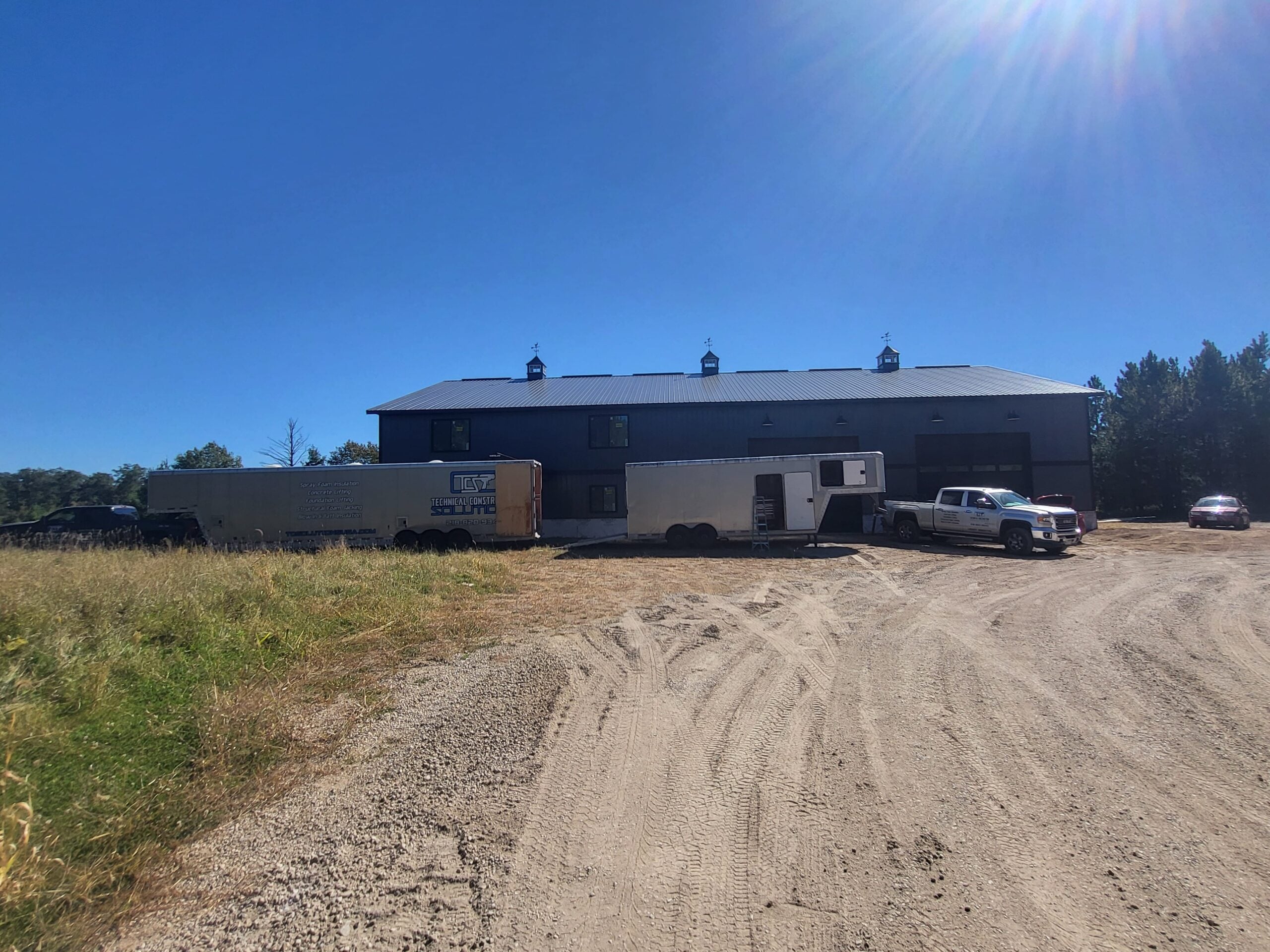
Commercial and Multi-Unit Batt Applications
For commercial developers and multi-unit residential builders across Wisconsin, batt insulation in open commercial wall and floor assemblies delivers predictable thermal performance when installation discipline holds from the first cavity to the last.
Wisconsin's active contractor market creates a pricing competition that can push installation standards down on batt work. A commercial building in the Madison metro or Green Bay area where batt installation quality degraded across a high cavity count will carry the consequences through every season. This crew applies the same penetration coverage standard and vapor control discipline across the full building volume on every commercial project.
Our Full Range of Insulation Services in Wisconsin
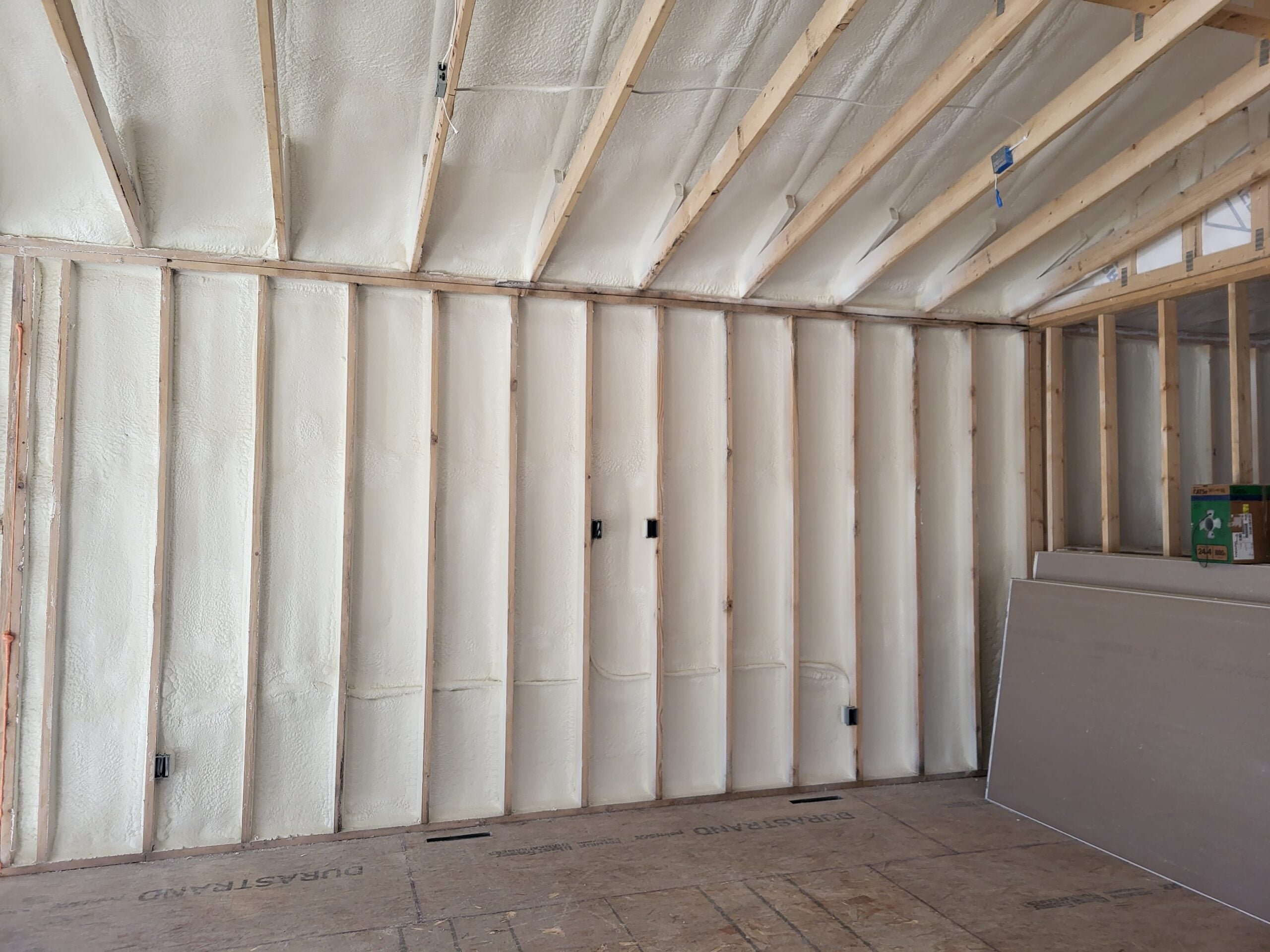
Spray Foam Insulation
Closed-cell and open-cell systems for residential, commercial, agricultural, and pole barn applications across the region.
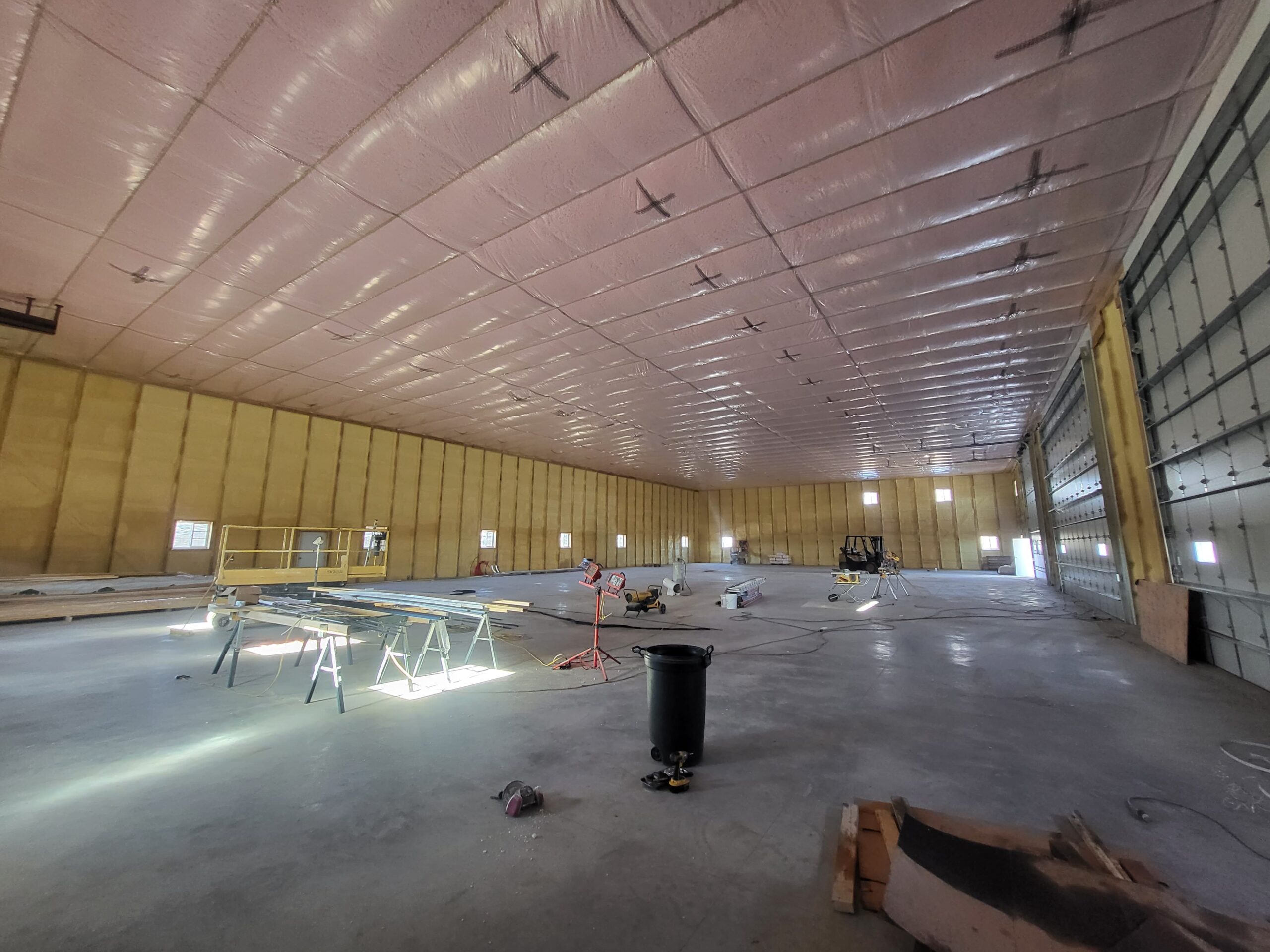
Pole Barn Insulation
Closed-cell spray foam for workshops, storage buildings, and agricultural structures across Wisconsin's rural areas.
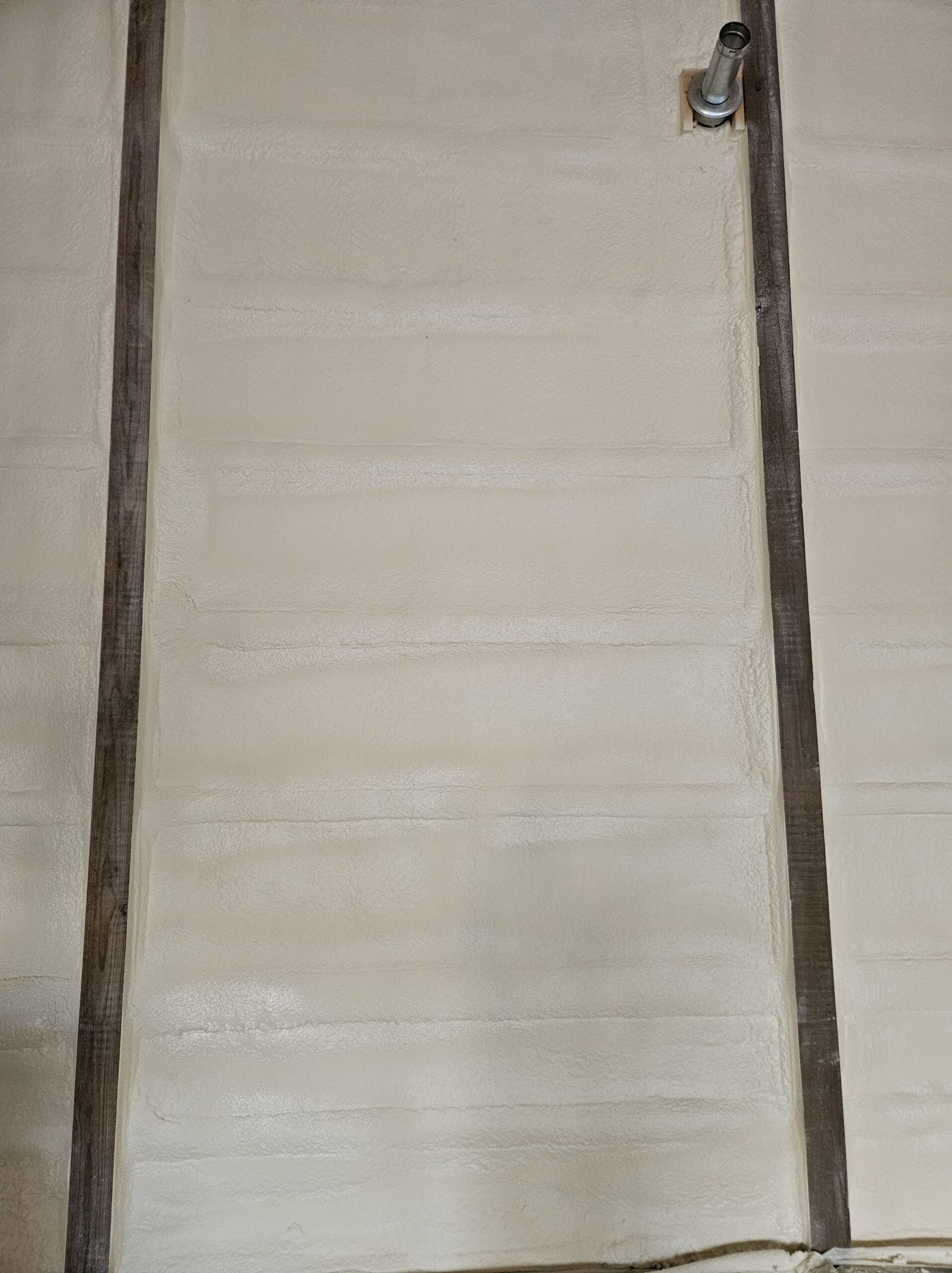
Crawl Space Insulation
Moisture control and floor comfort for residential and commercial buildings throughout the state.
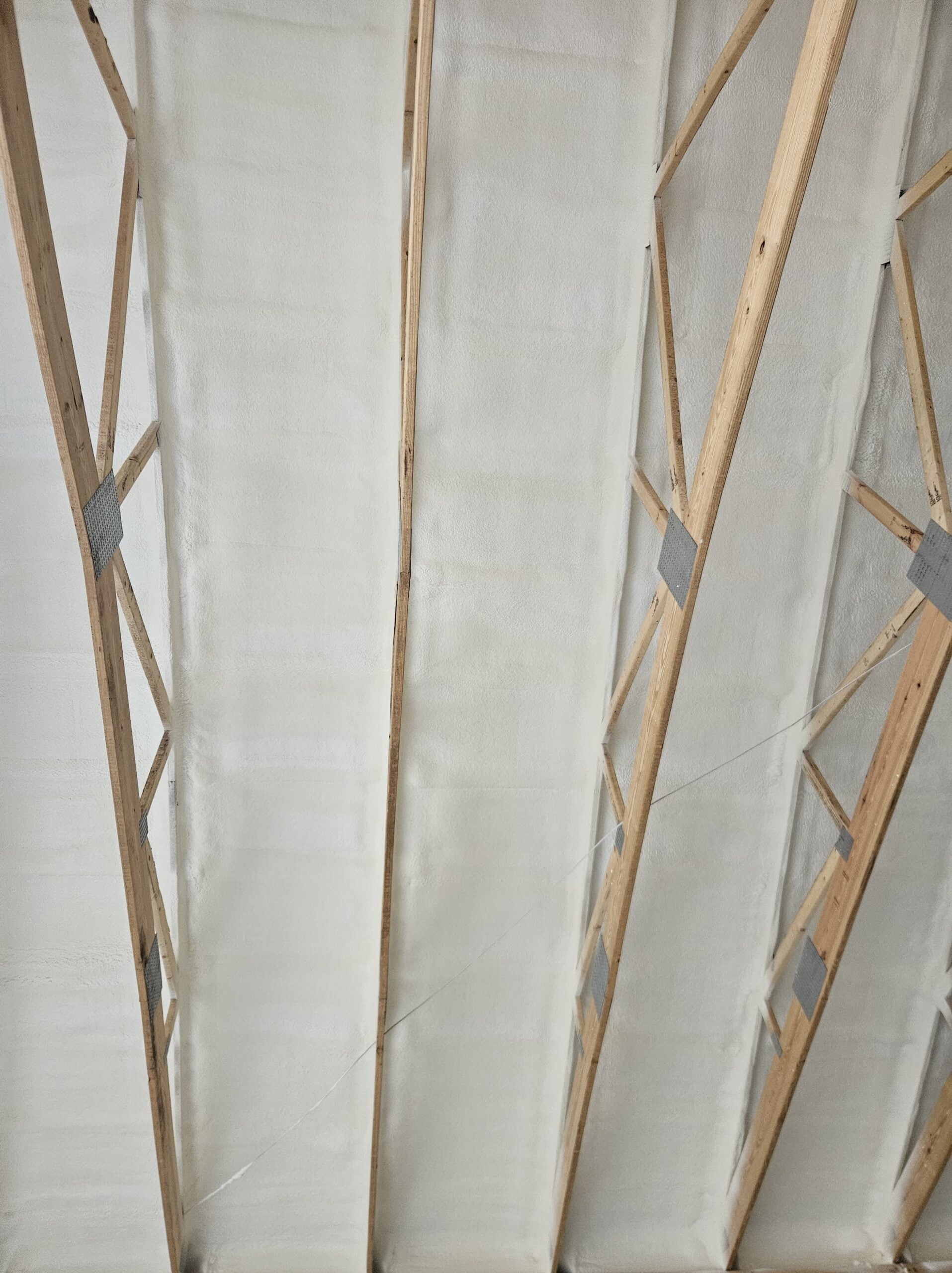
Under-Slab Insulation
Thermal break solutions for new construction foundations placed directly before the concrete pour.
The System Selection Advantage: Why Wisconsin Buildings Need a Contractor Who Carries Both
A contractor who only installs blown-in recommends blown-in for every attic and wall situation. A contractor who only carries batts recommends batts for every open framing condition. In both cases, the building gets insulated with whatever the crew already has on the truck, not with whatever each specific application in that building performs best with across Wisconsin's dual-season climate demands.
Blown-in and batt insulation serve different applications well in a Wisconsin building. Blown-in performs best in attic spaces, existing wall cavities with access limitations, and locations where filling irregular cavity geometry and resisting settling matter more than a precise R-value-per-inch calculation. Batt insulation performs best in open wall and floor cavities during new construction, where framing access is straightforward, cavity geometry is regular, and cost-per-square-foot is a real constraint alongside thermal performance.
A new residential build in the Eau Claire area might call for blown-in over the attic floor with bypass sealing at the top plates before coverage goes in, and batts in the open exterior wall cavities during the framing phase, each system in the application where it produces the best thermal outcome for that part of the building across both the heating and cooling seasons. That combination outperforms defaulting to a single system across every zone.
TCS operates two dedicated fiberglass rigs alongside its spray foam fleet because matching the system to the application is what produces Wisconsin buildings that perform at their designed thermal standard through both sides of the Wisconsin climate year.
Why Wisconsin Contractors and Property Owners Trust Technical Construction Solutions
Two Dedicated Fiberglass Rigs. Purpose-Built.
TCS does not run blown-in and batt as a secondary service off the back of the foam operation. Two purpose-built fiberglass rigs mean Wisconsin property owners receive insulation installed with equipment sized and configured for that specific work.
Foam-First Background Makes Recommendations Honest.
In Wisconsin's active contractor market, pricing pressure can produce recommendations driven by margin. Our foam-first background means this crew gives a straight answer about which system genuinely produces better results for each application.
Moisture-Aware Practices for Wisconsin's Humidity.
Because TCS's background includes extensive spray foam air sealing, the crew understands how Wisconsin's summer humidity interacts with insulation assembly performance. Installations are approached with proper vapor management considerations.
15+ Years of Construction Field Experience.
Insulation decisions come from a builder's understanding of how wall assemblies, vapor management, framing, and mechanical systems interact with the insulation layer across both the heating and cooling seasons, not just from a product spec sheet.
Rural Wisconsin Coverage for Older Housing Stock.
Wisconsin's rural counties hold a significant inventory of older homes that have never received adequate insulation. TCS's long-range project capacity makes those upgrades accessible for property owners in communities that metro-focused contractors ignore.
Fair Pricing in Wisconsin's Active Market.
TCS's commitment to delivering professional-grade work at a fair price is highly relevant in Wisconsin's competitive insulation market, where pricing varies widely without corresponding quality. What gets quoted reflects what each project actually requires.
On Time. On Budget. For Wisconsin's Build Season.
Wisconsin's construction season runs actively from spring through fall, and an insulation crew that cannot complete work on schedule holds up every trade. TCS's two-rig fiberglass operation delivers work completed within the necessary timeline.
Get a Free Blown-In and Batt Insulation Estimate Across Wisconsin
Insulation that underperforms costs more than the installation price across both sides of Wisconsin's climate year, in winter heating bills, in summer cooling costs, and in the comfort loss that compounds through every season the assembly is occupied at less than its designed thermal standard.
Start with a free estimate. One conversation is enough to assess your building, identify where thermal loss and moisture management are the active problems across both the heating and cooling seasons, and give you a clear picture of what the right solution costs for every application in that building. No pressure. No obligation.