
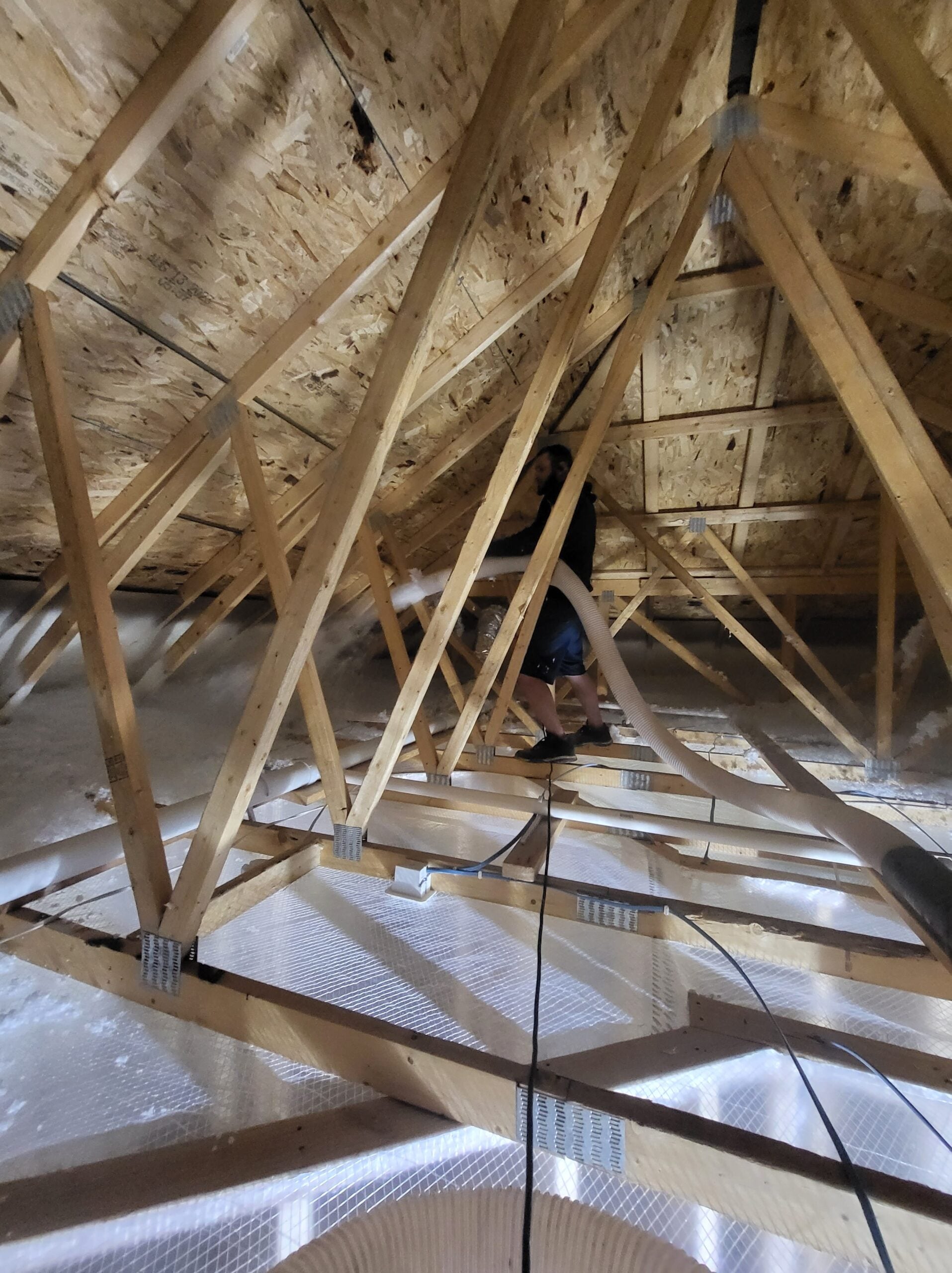
Blown-In Insulation in Fargo, ND
Most Fargo attic insulation problems are not about how much insulation is up there. They are about where the insulation stopped and where the air bypasses were left open. Coverage depth gets measured. Air bypasses get missed. Fargo winters find both.
The 4 Attic Bypass Locations Fargo Winters Exploit
Light fixture holes on upper-level ceilings are direct pathways from conditioned living space into the attic. Blown-in covers above them but not through them.
TCS: sealed with foam before blow-inInterior partition wall top plates are air channels from the wall cavity into the attic. Partial coverage leaves the bypass active through the full heating season.
TCS: verified coverage at every plateAn uninsulated and unsealed attic hatch allows cold air to pour into the living space every time attic pressure differentials are created by wind or stack effect.
TCS: insulated and weather-strippedThe eave line is where Fargo's cold enters the attic assembly most aggressively and where most blown-in installations leave depth short because the rig cannot reach easily from the hatch.
TCS: full depth verified at perimeterWhy Choose Technical Construction Solutions for Blown-In Insulation in Fargo, ND?
The most common blown-in insulation complaint in Fargo is not that the homeowner never had insulation installed. It is that they had it installed, paid for a rated R-value, and their heating bills through the following January and February did not change the way they expected. The attic has blown-in insulation. The house is still cold on the upper level. The furnace is still cycling more than it should on a minus-twenty wind chill night. Something was missed.
That something is almost always an air bypass that the blown-in cannot address on its own.
A homeowner in north Fargo, in one of the older two-story homes off 13th Avenue North near the Oak Grove neighborhood, called us after dealing with that exact situation. Blown-in had been added to his attic two winters prior. The installation report showed the correct depth across the center field. But the ceiling light fixture openings on the upper level ceiling were not sealed before the blown-in went in, the top plate connections at the interior partition walls had been only partially covered, and the attic hatch had no insulation or weather seal on it.
We sealed the light fixture openings with foam, corrected the top plate coverage, weather-stripped and insulated the attic hatch, and topped off the blown-in depth across the full attic floor, including the eave perimeter, which had been left thin on the original installation. The homeowner noted the difference in upper-level comfort within the first week of that heating season.
Blown-in insulation is a coverage system, and coverage means every location in the attic assembly, not just the open center field where a rig can reach from the hatch without moving.
Technical Construction Solutions operates two purpose-built fiberglass blown-in rigs alongside its spray foam operation. As part of a complete insulation operation serving Fargo, TCS covers blown-in, spray foam, batt, pole barn, crawl space, and under-slab systems. TCS's foam background is what informs the air bypass identification process on every blown-in project. If your Fargo home is still cold after a blown-in installation, a free estimate is the right first step.
Blown-In Insulation in Fargo, ND
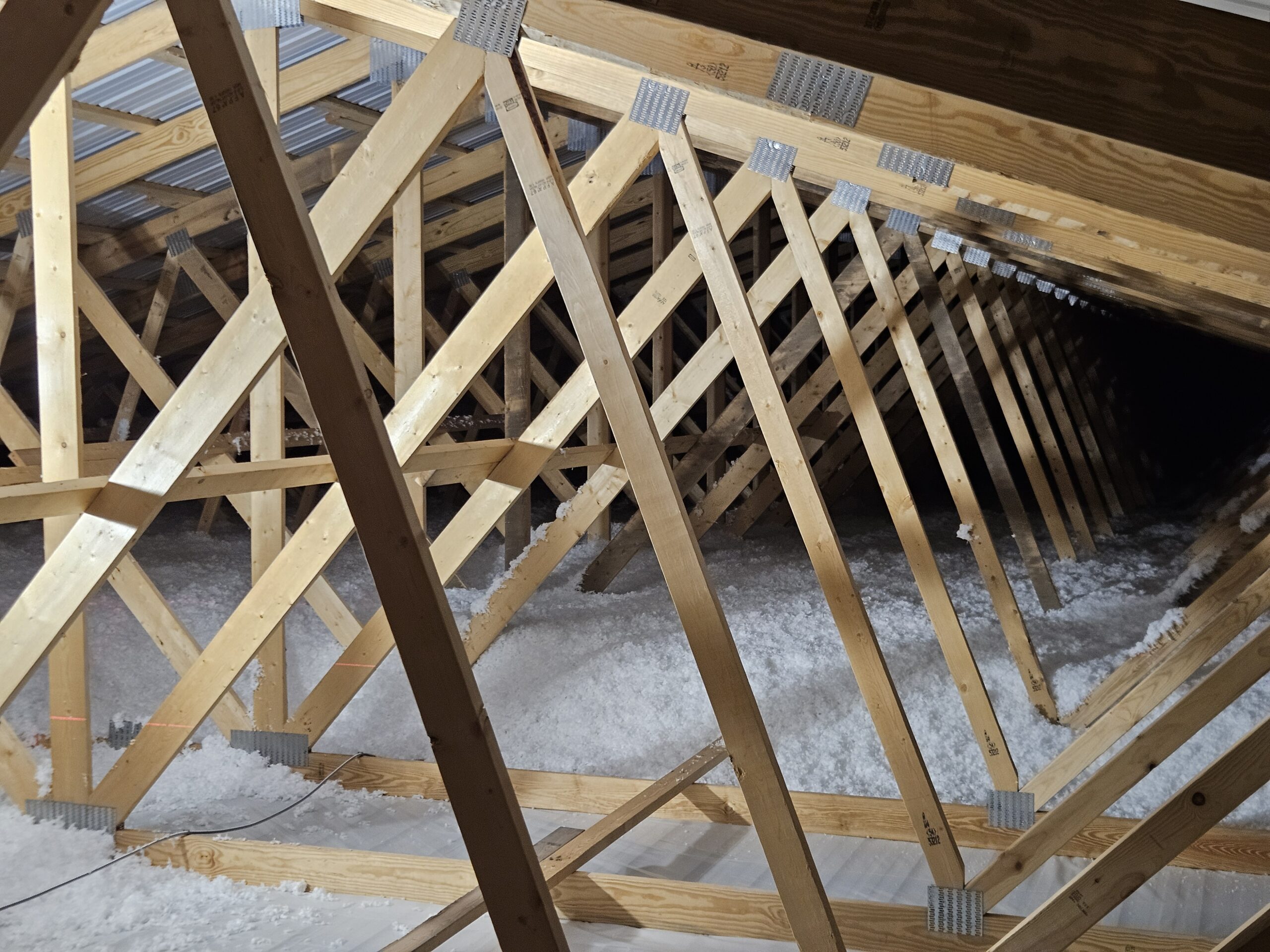
Residential Blown-In Insulation in Fargo, ND
Fargo's residential housing stock covers a wide range of construction eras, from the mid-century two-stories in the established north Fargo neighborhoods along Broadway and University Drive through the 1980s and 1990s developments in south Fargo and the rapidly growing west Fargo and south Fargo suburban builds going up today. Each era has a different baseline attic insulation condition, and each one has a different set of air bypass locations that blown-in coverage needs to account for before the product is installed.
Older Fargo homes built before energy codes required minimum attic insulation depths frequently have little or nothing above the ceiling joists, or have original fiberglass batts that have settled and compressed over decades to a fraction of their rated R-value. Newer Fargo homes frequently have the correct depth in the open center field of the attic and thin or incomplete coverage at the locations that are harder to reach: the eave line, the partition top plates, and the area above the garage-to-house wall transition where two different roof assemblies meet at different heights.
TCS's two dedicated fiberglass blown-in rigs are set up specifically for blown-in work, not adapted from spray foam equipment. That equipment investment means the installation is not constrained by what a foam rig can do in a blown-in application, and that the crew's attention is focused on coverage quality across every attic zone.
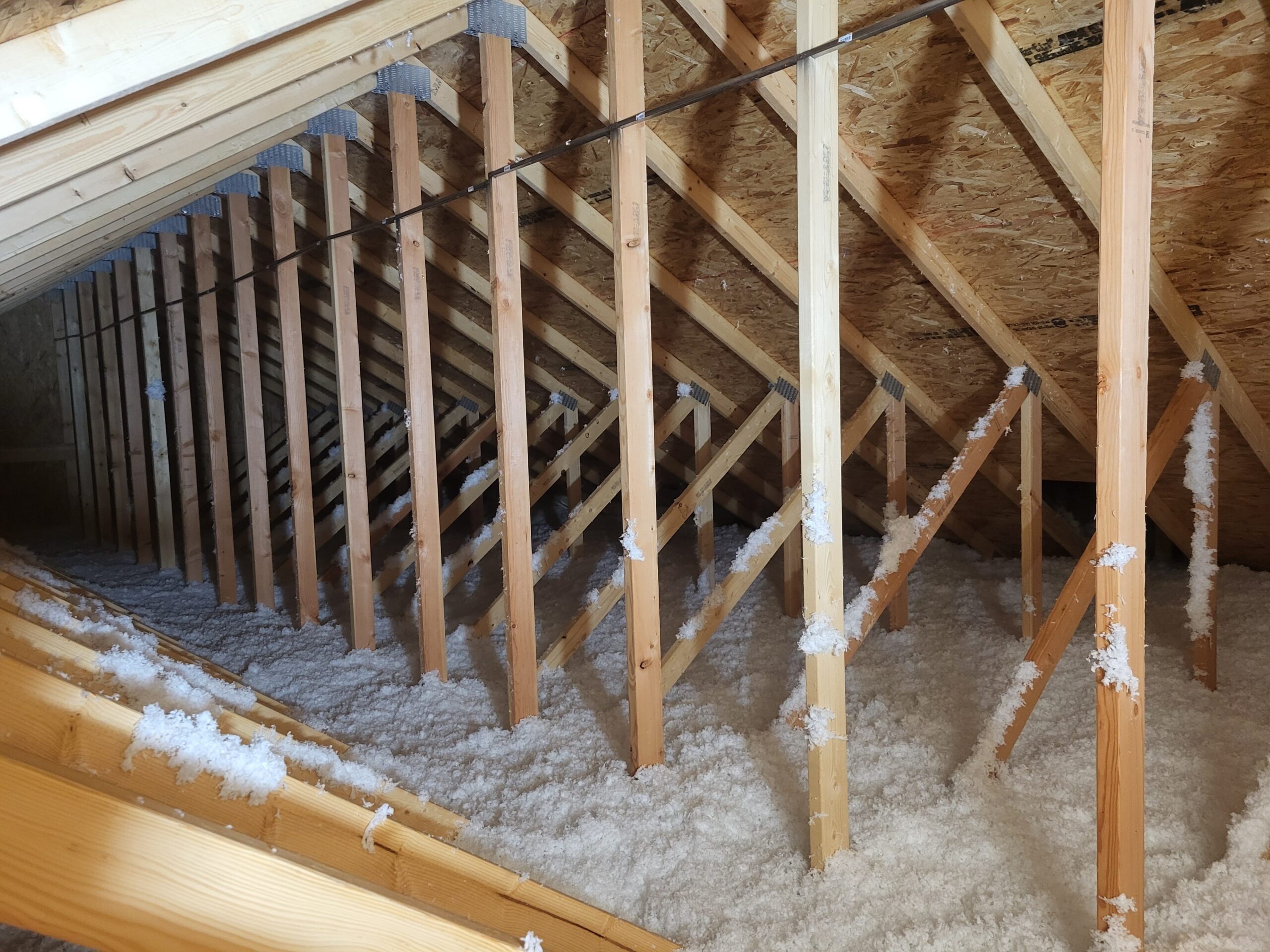
Attic Insulation in Fargo, ND
The attic is where Fargo's heating season energy costs are most directly determined for residential properties. Heat rises, and in a Fargo home without correct attic insulation depth and air sealing, it exits through the roof assembly faster than the furnace can replace it on the coldest nights of January and February.
Ice dams on Fargo homes are the visible symptom of this problem. When heat escapes through the attic assembly and warms the roof deck above the insulated zone, snow melts and refreezes at the cold eave overhang, building ice that forces meltwater back under the shingles. The ice dam is a roofing problem on the surface. It is an attic insulation and air sealing problem at the source. Correcting the attic coverage and sealing the air bypass locations is what stops ice dam formation from recurring, not roofing repairs to the damage it has already caused.
This crew identifies and addresses attic air bypass locations before blown-in goes in, because the foam application background TCS carries informs exactly where those bypass points are and how to seal them. The blown-in insulation that goes in after that air sealing step performs at its rated R-value rather than at the fraction that open bypasses allow.
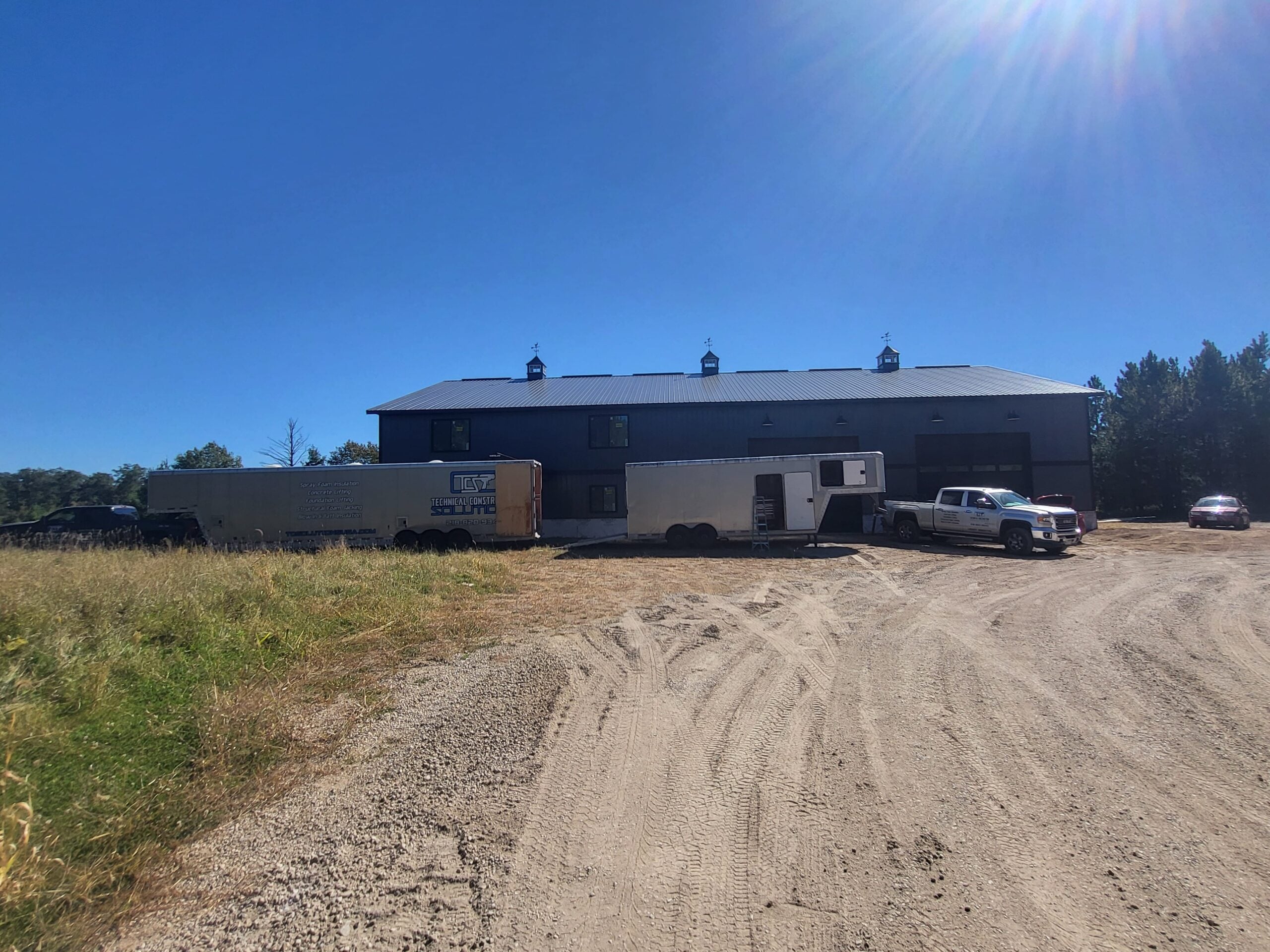
Commercial and New Construction Blown-In in Fargo, ND
For Fargo builders and general contractors managing new residential construction across the growing west Fargo and south Fargo development corridors, blown-in attic insulation during the framing phase needs to be completed on schedule without becoming the trade that delays the drywall crew behind it.
Fargo's compressed construction season makes that scheduling reliability more operationally important than in markets with a longer build window. A blown-in installation that runs a week late in October can push drywall, finish work, and occupancy into a weather window where temperatures make exterior work impractical. TCS operates two dedicated fiberglass blown-in rigs with the scheduling capacity to complete new construction attic insulation projects across Fargo's active build corridors on the timeline Fargo builders are working against.
For commercial projects where blown-in attic or cavity insulation is part of a larger building envelope scope, TCS can coordinate blown-in alongside spray foam air sealing and crawl space or under-slab insulation under a single contractor relationship, reducing the scheduling coordination burden on Fargo commercial general contractors managing multiple insulation trades across a construction schedule.
Our Full Range of Insulation Services in Fargo, ND
We focus on comprehensive insulation services across residential and commercial builds. Different buildings need different approaches. We do not force one system everywhere; we match the method to the structure.
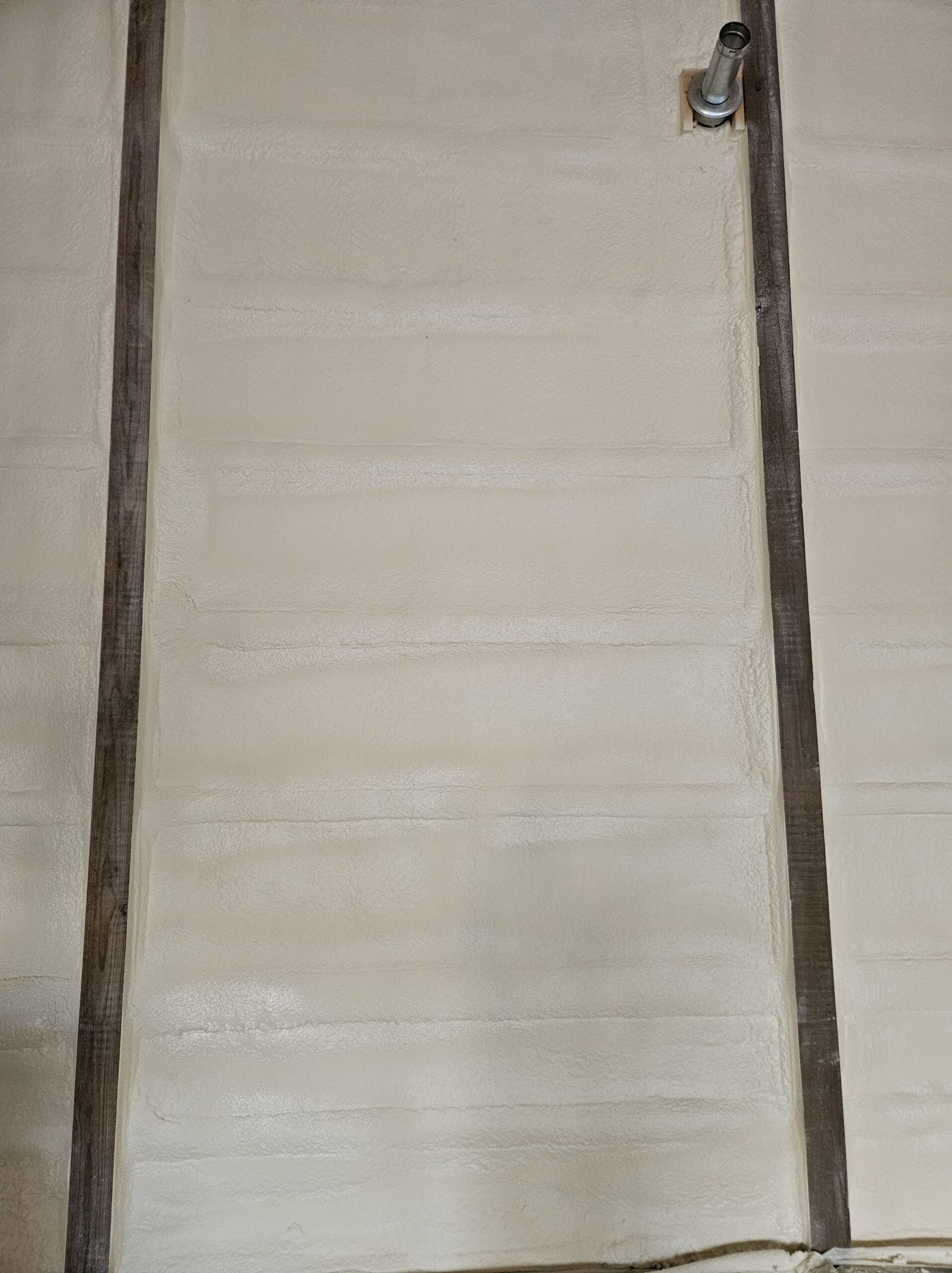
Spray Foam Insulation
For maximum air sealing and high-performance building envelopes across Fargo. Closed-cell spray foam expands to permanently seal every rim joist, top plate gap, and framing irregularity that Fargo's northwest winds exploit through the full heating season from November through March. The only system that addresses both the thermal and the air barrier requirement in a single application for Fargo residential, commercial, and agricultural buildings.
Learn More →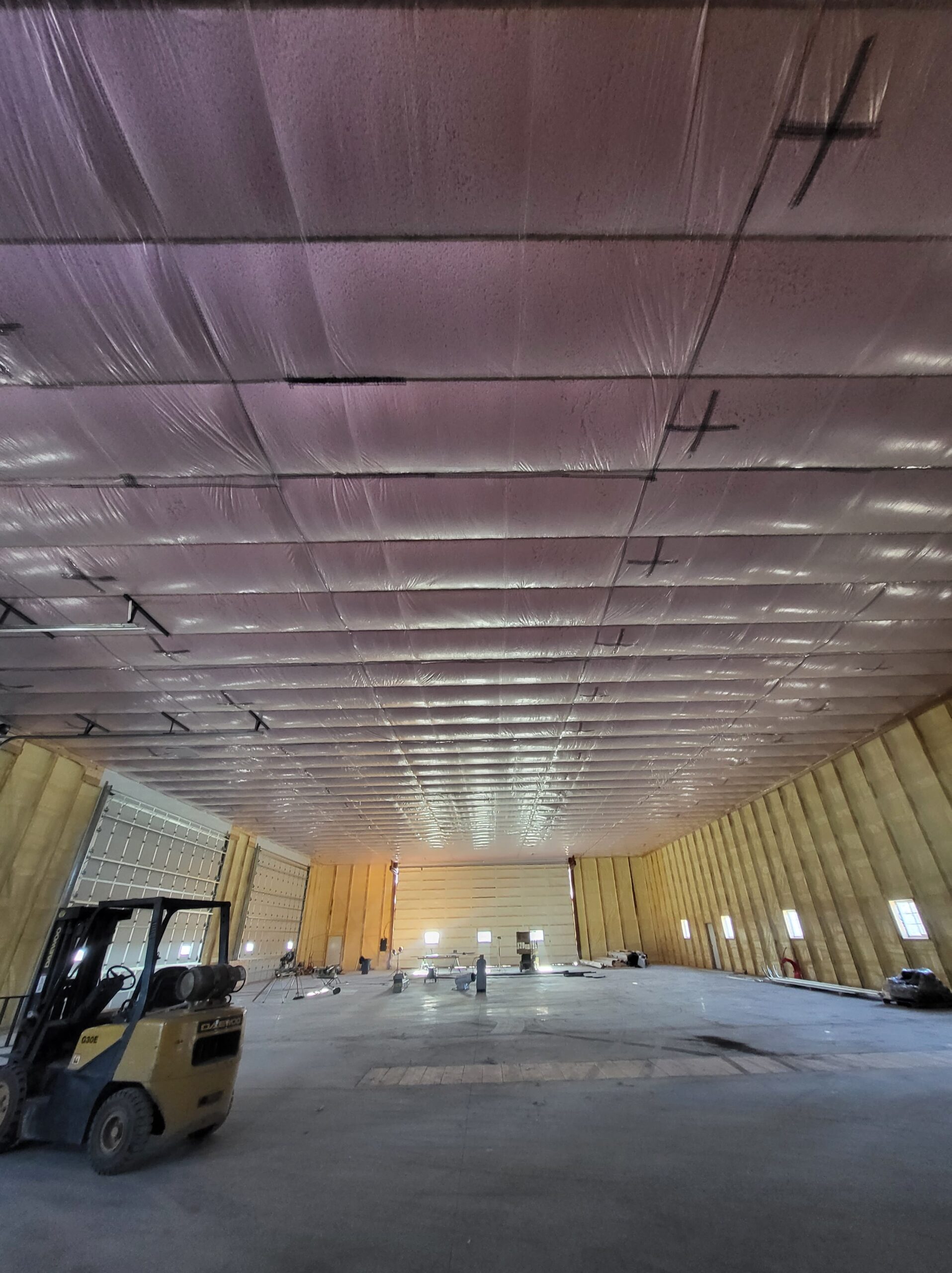
Batt Insulation
Cost-effective fiberglass batt insulation for open wall and floor cavities on new residential and commercial construction across Fargo's west and south development corridors, where access and framing geometry make batts the appropriate system for that application zone. Correctly installed with full cavity coverage, correct facing orientation for North Dakota's cold-climate vapor control requirements, and no gaps at penetrations or rough openings, batts perform at their rated R-value for the life of the assembly.
Learn More →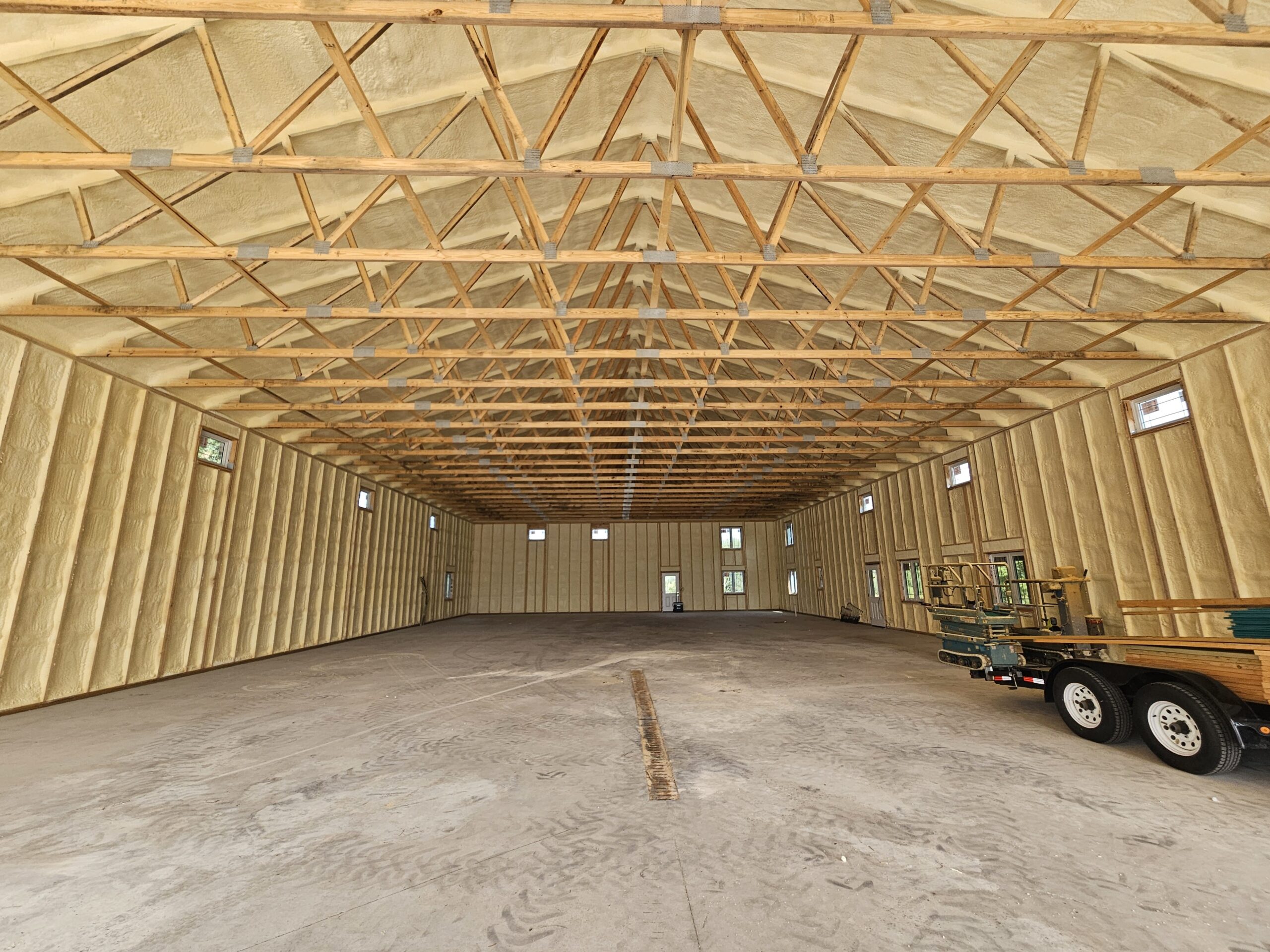
Pole Barn Insulation
Closed-cell spray foam for agricultural storage buildings, equipment facilities, and workshops across Cass County and the Red River Valley where metal framing and large unheated volumes make conventional insulation impractical. Farm operators in the Fargo area managing pole barns through North Dakota winters need condensation control and continuous bonding to metal surfaces that spray foam delivers and fiberglass systems cannot match across Fargo's sustained sub-zero temperature periods.
Learn More →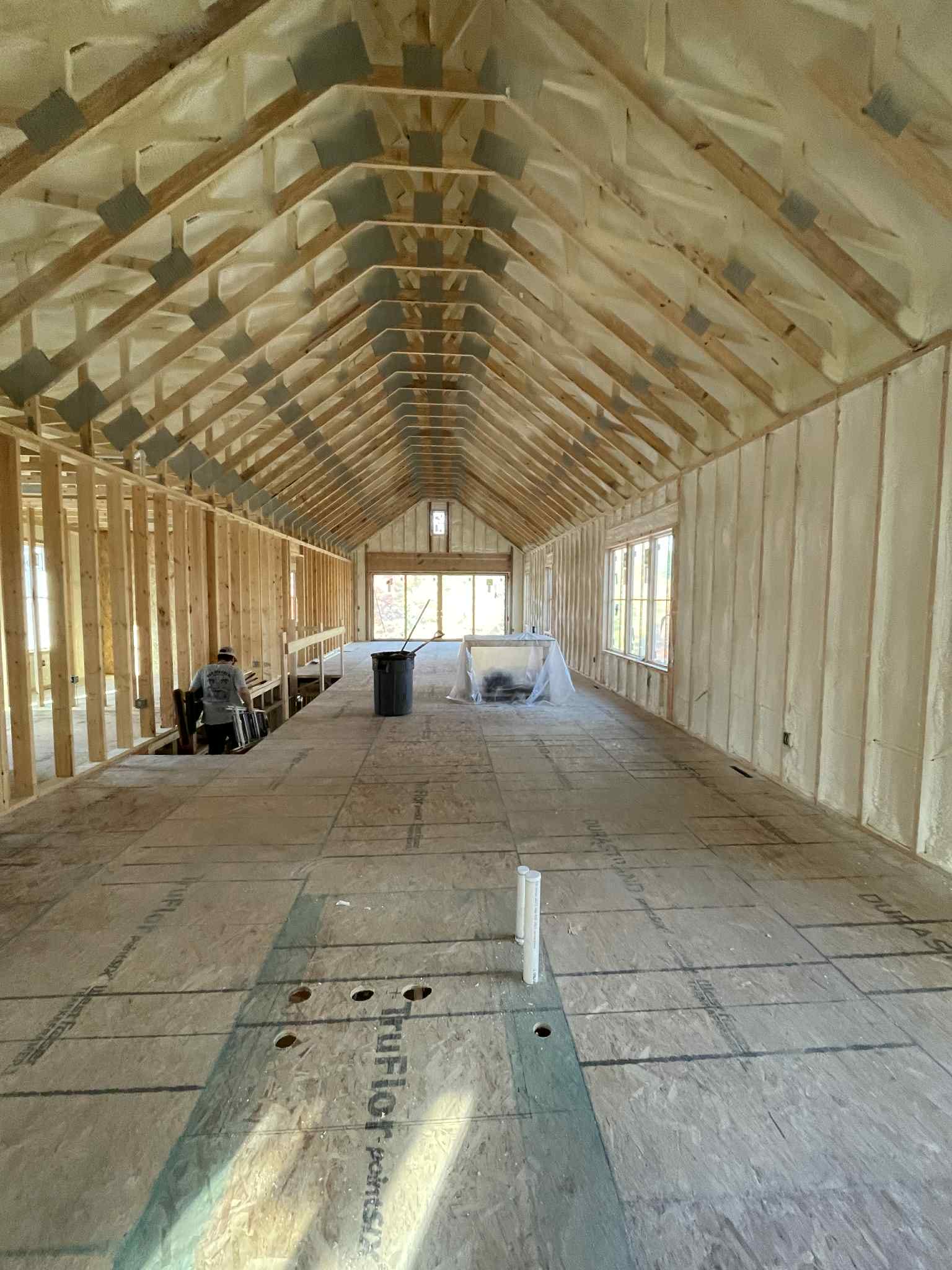
Crawl Space Insulation
Moisture control and floor comfort for Fargo residential and commercial buildings where ground moisture and frost depth create performance problems in unconditioned crawl space assemblies. In Fargo's older residential neighborhoods where crawl spaces were left uninsulated at original construction, properly installed crawl space insulation produces a measurable floor temperature difference through North Dakota's heating season and reduces the moisture accumulation that unconditioned crawl spaces develop through Fargo's spring thaw cycle.
Learn More →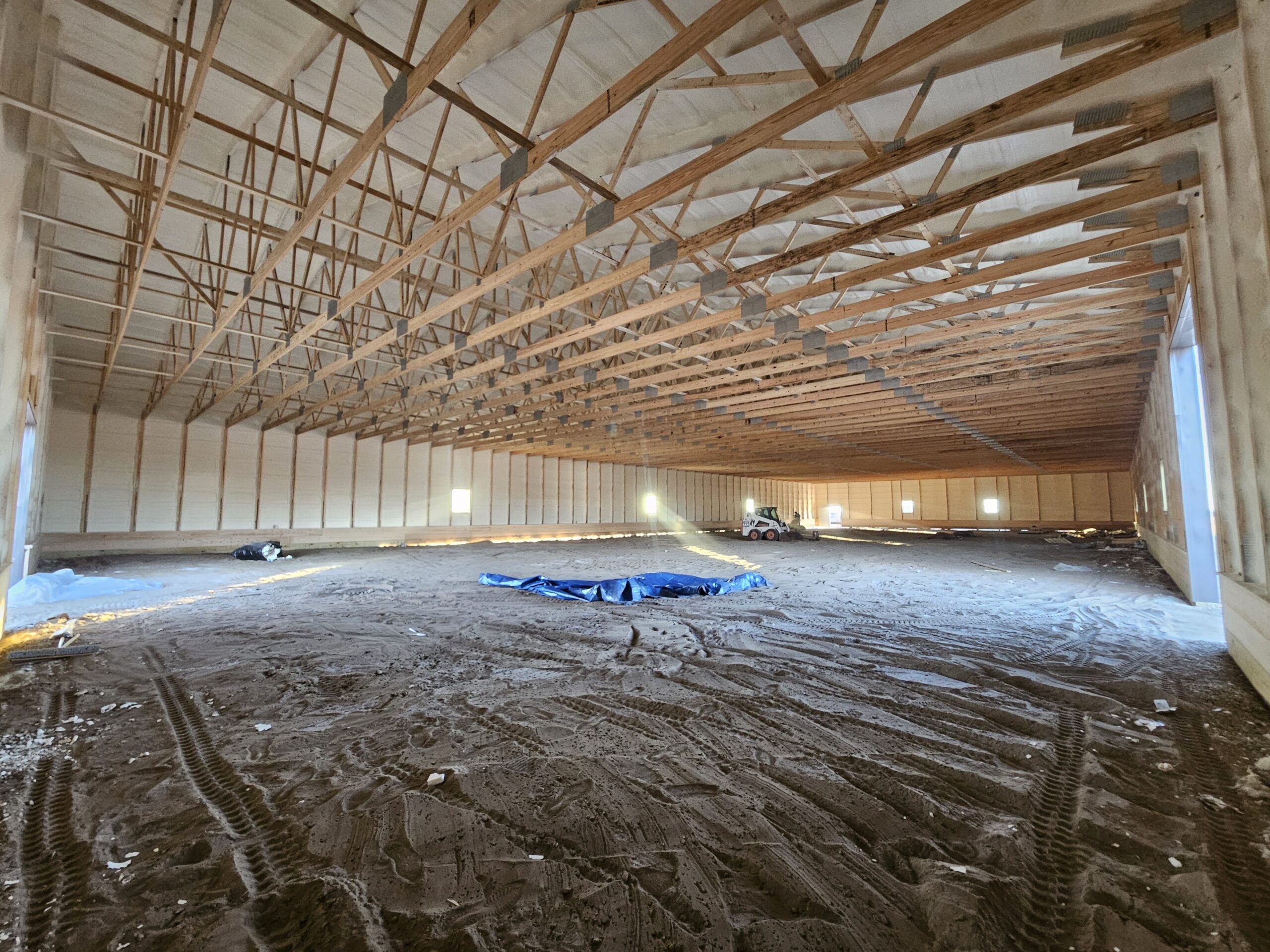
Under-Slab Insulation
Thermal break solutions for Fargo new construction projects before the concrete pour closes that installation window permanently. For Fargo commercial developments, new residential builds with radiant heating, and heated garage slabs in Cass County, under-slab foam is the one installation that cannot be corrected after the concrete is poured. TCS's construction background means that window never gets missed, and the specification accounts for North Dakota's frost depth and ground temperature conditions from the start.
Learn More →Why Fargo Homeowners and Builders Trust Technical Construction Solutions
15+ Years of Hands-On Construction Experience
This company is led by someone who spent over a decade and a half in the field before building TCS around foam and blown-in technology. Blown-in insulation that does not perform to its rated R-value in a Fargo attic is almost always an installation discipline failure, not a product failure. That field construction background means every Fargo blown-in project is approached with the coverage verification and air bypass attention that separates a correct installation from one that gets checked off the task list.
Foam Background That Improves Blown-In Outcomes
TCS's foam application experience is what informs how this crew approaches blown-in air bypass identification. Understanding where air moves through a building envelope is the same knowledge that determines where spray foam goes at the rim joist and where blown-in coverage needs to be supplemented with sealing at the ceiling penetrations and partition top plates. That combined knowledge produces better blown-in outcomes than a blown-in-only contractor develops.
Two Purpose-Built Fiberglass Rigs for Fargo Blown-In Work
TCS operates two dedicated fiberglass blown-in rigs built specifically for this application. That equipment investment means Fargo blown-in projects are completed with equipment designed for the work, not adapted from a spray foam setup, and that scheduling availability is maintained for both new construction timelines and retrofit projects without one competing against the other for rig availability.
Built for Fargo's Attic Performance Requirements
Every blown-in installation this crew completes in Fargo is held to the coverage depth and air bypass sealing standard that North Dakota's climate zone requires for attic assemblies to actually perform at their rated R-value. Depth in the center field of the attic does not qualify as a correct installation if the eave perimeter, partition top plates, and ceiling penetrations have not been addressed.
Fair Pricing. No Shortcuts
Every estimate reflects what the attic and building actually require: correct depth across the full attic floor, air bypass sealing at the locations that matter, and coverage verification before the job is marked complete. No padding, no skipping the eave perimeter to save time, no leaving the attic hatch unsealed because it was not mentioned in the original scope.
On Time. On Budget. Every Time
Projects finish on the schedule agreed to and within the budget outlined. For Fargo builders managing new construction timelines with drywall crews waiting behind the insulation phase, that reliability means the attic is ready when the schedule says it will be, not a week later when temperatures have dropped into the range that makes exterior work impractical.
Get a Free Blown-In Insulation Estimate in Fargo, ND
A Fargo attic with correct blown-in depth and sealed air bypass locations performs measurably differently through a North Dakota winter than one with the same product installed without those details. The heating bill difference accumulates every month from November through March across the full life of the building. The right starting point is a crew that identifies the air bypass locations before the blown-in goes in and verifies coverage across the full attic floor before the job is complete.
Start with a free estimate. One conversation is enough to assess the attic condition, identify the air bypass locations, and give you a clear picture of what correct blown-in coverage will cost for your Fargo building, no pressure, no obligation.