
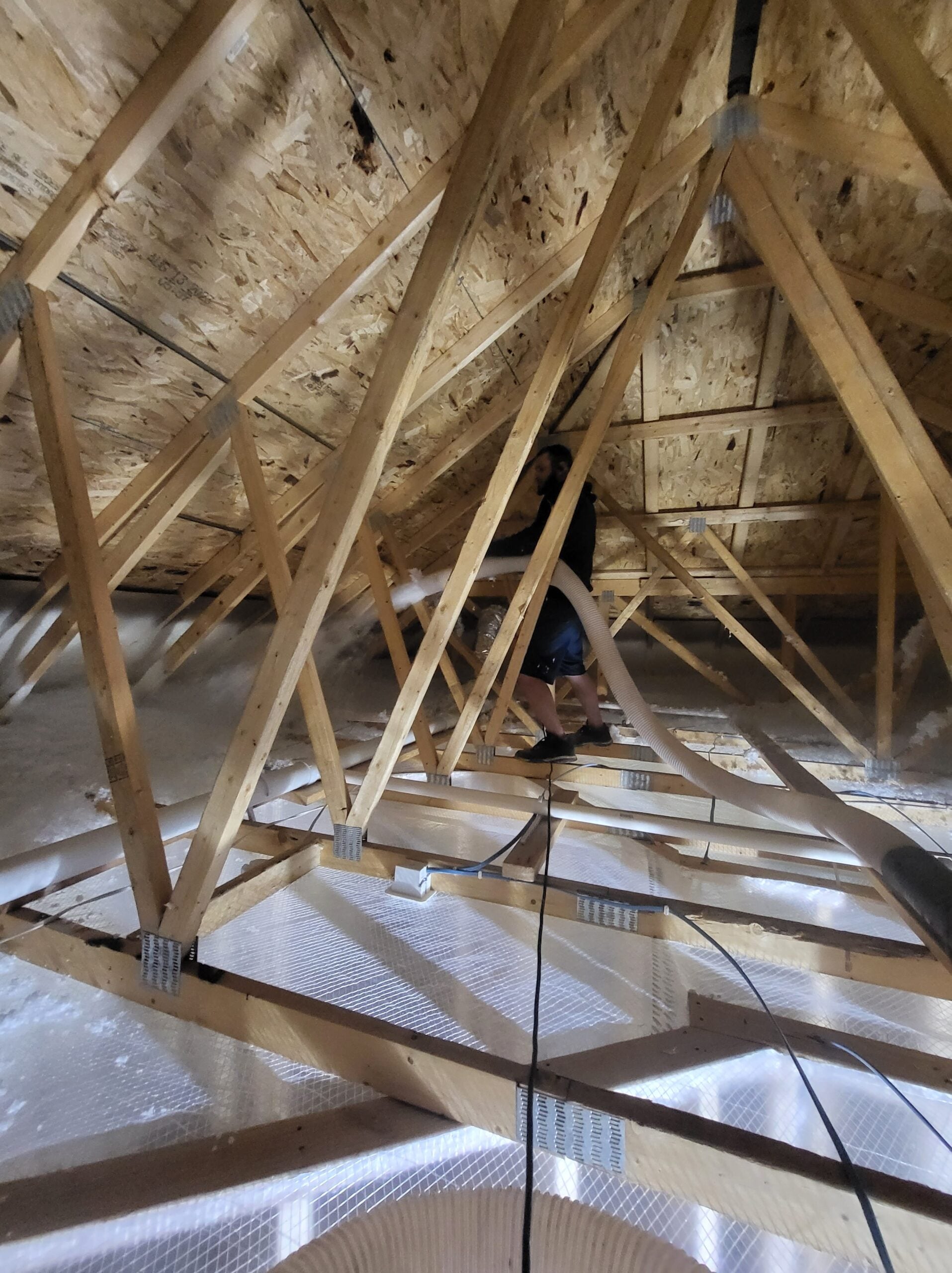
Williston's Blown-In and Batt Insulation Specialists
Not a foam contractor who throws blown-in on the truck when a residential job comes in. A multi-system insulation operation with purpose-built fiberglass equipment, building science knowledge drawn from years of foam work, and the scheduling capacity to keep pace with Williston's production-driven construction market.
Why Choose Technical Construction Solutions for Blown-In and Batt Insulation in Williston, ND?
A residential developer I spoke with, who was building worker housing units near the Highway 2 corridor east of Williston, had brought in a local insulation crew to blow-in the attics across a twelve-unit phase. The crew finished the job in two days and moved on. By the first January, the property manager was fielding complaints from tenants in the end units about heating costs running significantly higher than the interior units on the same thermostat setting. When we walked the attics, the problem was immediate: the crew had blown-in to the correct depth in the open center field but had left the eave zones and the areas above the top plates sparse, in some cases down to less than half the specified depth. In northwest North Dakota's winter, those thin spots at the perimeter are not minor gaps. They are the locations where the most heat escapes from a residential building, because they sit directly above the coldest part of the wall assembly.
We remapped the coverage across every attic in the phase, brought the eave zones and top plate areas up to the specified depth, and documented the corrected coverage before closing out. The following winter, the heating cost variance between the end units and interior units dropped to within normal range.
That outcome is not a complicated fix. It is what happens when blown-in insulation is installed by a crew that maps coverage at the critical zones rather than the easy center field, and verifies the work before walking off the job.
Technical Construction Solutions was founded by Freddy Lewis, who built TCS around foam technology before expanding into blown-in and batt to serve the full range of the regional Williston mechanical insulation boundaries. The building science knowledge that comes from years of foam work, how air bypasses cavity insulation, how vapor moves through wall assemblies in extreme cold, how coverage depth at the perimeter determines whether an attic performs at its rated R-value, informs every blown-in and batt installation this crew completes in Williston.
If your building is running higher heating costs than its insulation specifications should produce, your attic coverage has not been verified since installation, or you are managing a new build that needs insulation completed on a production schedule, a free estimate is where it starts.
Blown-In Insulation Services in Williston, ND
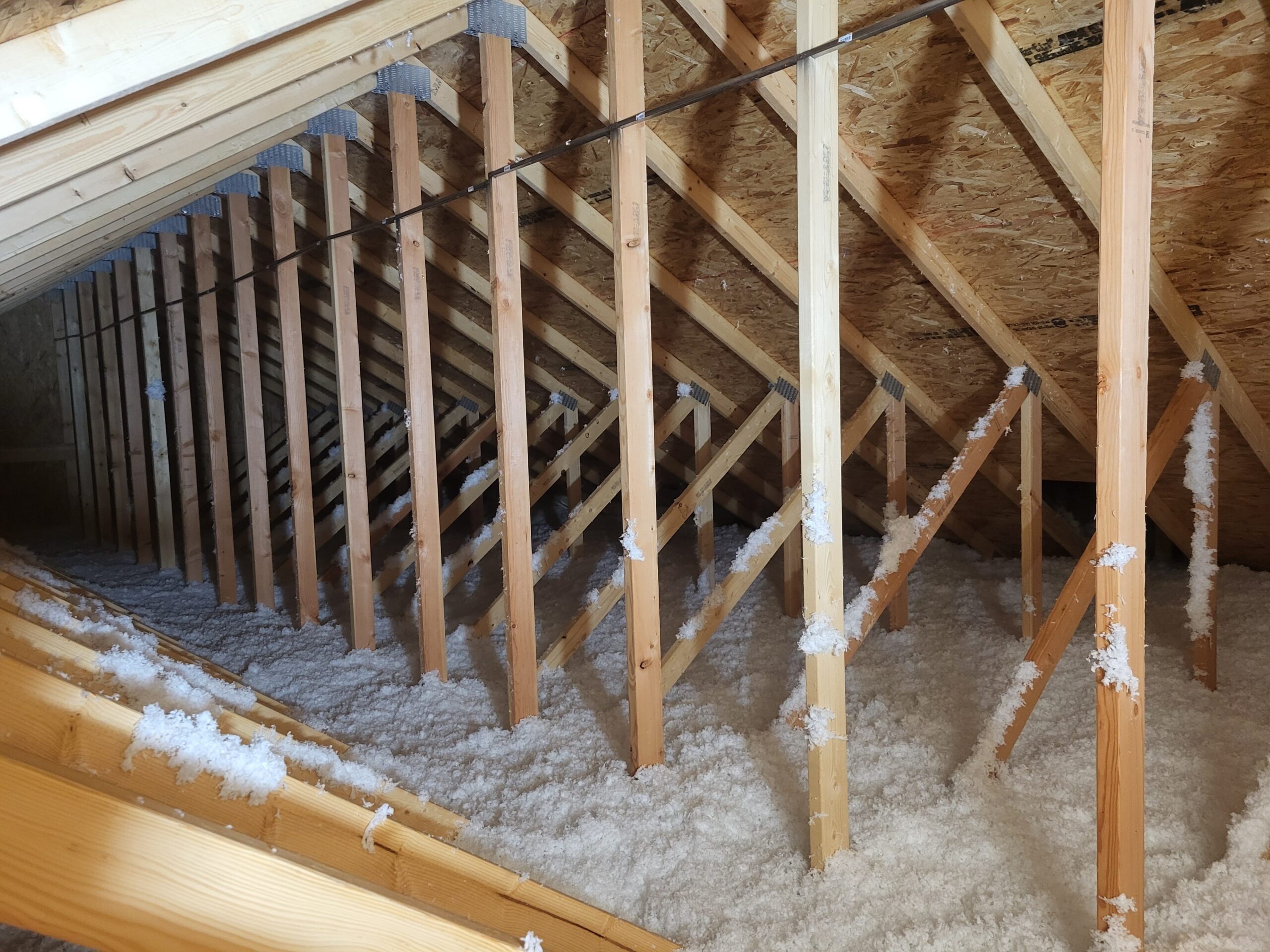
Attic Blown-In Insulation
For homeowners, residential developers, and worker housing operators across Williston, Tioga, Ray, and the surrounding Williams County area, the attic is the highest-impact zone for heat loss in most buildings, and blown-in insulation is the most efficient system for bringing attic thermal performance up to the standard that northwest North Dakota's winters demand.
Williston's heating season is among the most demanding in the country. Average January temperatures in Williams County regularly push below zero, and when wind is factored into the effective temperature, the thermal load on a building envelope is sustained at a level that exposes every shortcut in the insulation installation. Blown-in attic insulation that was installed to the correct depth at the hatch, but trails off at the eaves, the top plates, and the perimeter framing, does not perform at its labeled R-value. It performs at whatever depth it was actually installed to at the locations where depth matters most, and in Williston's climate, the performance gap between a properly installed attic and one with thin perimeter zones shows up in the first heating bill and does not improve until the coverage is corrected.
This crew installs blown-in attic insulation with coverage mapping at the eave zones, top plate areas, and perimeter framing, not just the open center field. The depth gets verified at the critical locations before the job is called complete, because a Williston attic that looks good from the hatch but is underperforming at the perimeter costs the property owner money every month it stays that way.
Existing Wall Cavity Blown-In
For older Williston homes and buildings constructed before wall insulation standards reflected today's energy performance requirements, blown-in insulation into existing wall cavities is the most practical path to improved wall thermal performance without removing the exterior cladding or opening the interior finish.
The process involves drilling access points into each stud bay, blowing insulation into the cavity to fill it at the correct density, and patching the access points. A stud bay filled at the correct density stays in place and performs at its rated R-value for the life of the wall. A bay blown too loosely settles within the first season and leaves a void at the top of the cavity that acts as an uninsulated channel between the exterior and the living space.
In Williston's extreme cold, that settling void is not a marginal performance issue. It is an open thermal pathway that runs the full height of the wall assembly at every stud bay, where the density was not verified before the access point was patched. This crew checks fill density at each cavity before closing the access point, because the only way to confirm a correct installation is to verify it before it is no longer accessible.
Batt Insulation Services in Williston, ND
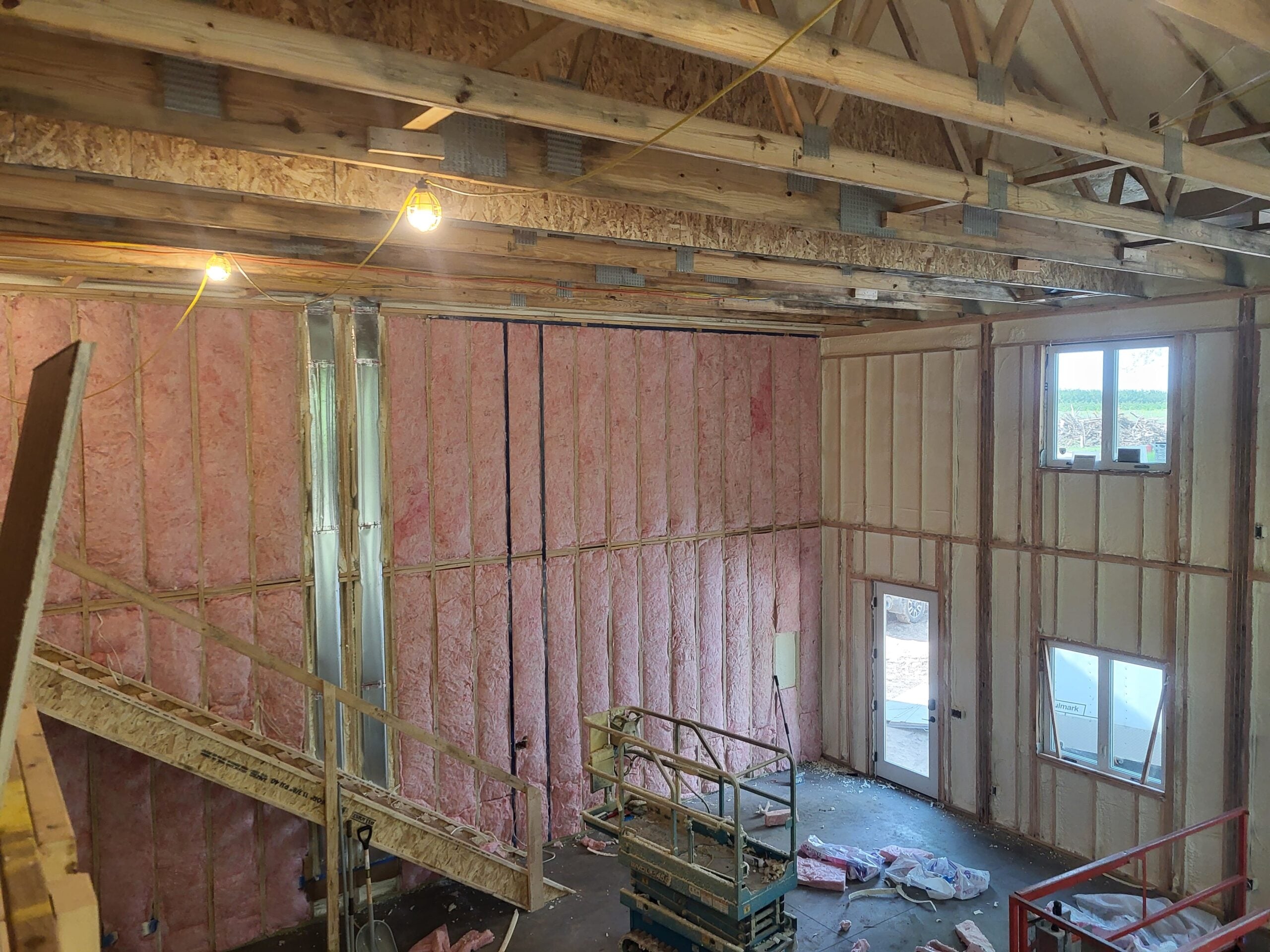
Why Batt Insulation Still Has a Place in the Right Application
Batt insulation is not the highest-performance system available for every application. Spray foam leads in air sealing, and blown-in typically outperforms batts in attic situations where depth and access allow. But in the right application, properly installed fiberglass batts deliver cost-effective thermal performance that works within the budget realities of Williston's high-volume residential and commercial construction market, where cost-per-square-foot drives insulation decisions on large framing projects.
The right application for batts is an open wall or floor cavity in new construction or renovation where framing is accessible, cavities are regular, and the budget makes spray foam or blown-in less practical for that specific assembly. In those conditions, batts installed correctly, full cavity coverage, correct facing orientation, no compression, no voids at electrical boxes or plumbing penetrations, perform at their rated R-value for the life of the wall.
The wrong application is a cavity with irregular framing, complex penetrations, or air movement pathways that cavity insulation alone cannot address. In those situations, batts underperform regardless of how carefully they are installed, because the system does not match what the application actually requires.
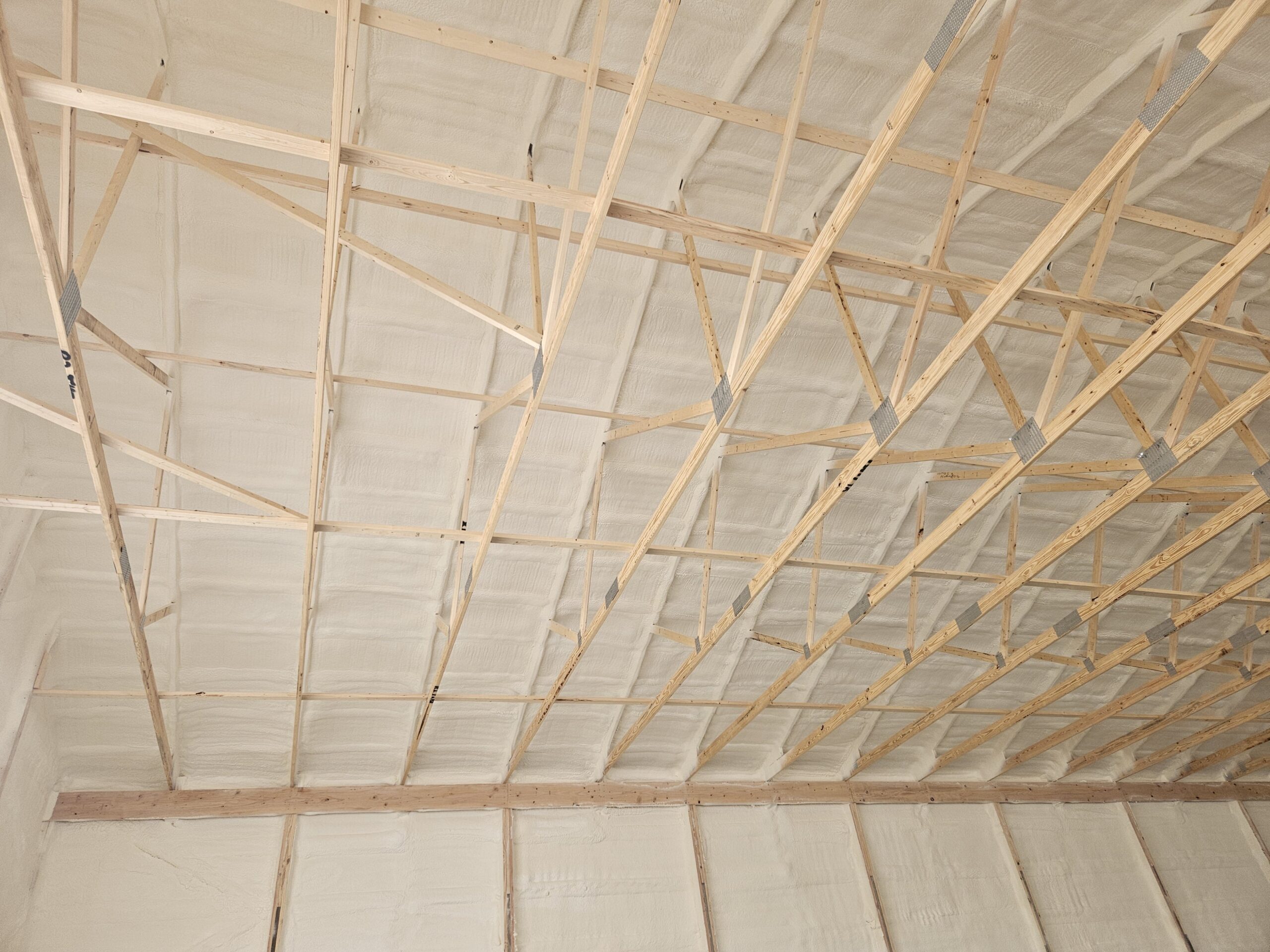
Residential and Worker Housing Batt Insulation in Williston
For residential builders and worker housing developers managing new construction across Williston's active development areas, batt insulation in open wall and floor cavities during the framing phase keeps the thermal envelope moving on schedule without sacrificing performance in the applications where batts belong.
Williston's energy sector growth has driven significant residential development, particularly in the worker housing market, where multi-unit construction at scale creates insulation demand that requires a contractor who can maintain installation discipline across a high cavity count without degrading precision as the volume increases. A crew that starts strong and loses focus by unit six of a twelve-unit phase produces inconsistent thermal performance across the building. In Williston's climate, those inconsistencies show up in heating cost variance between units on the same system, and they do not trace back to any obvious deficiency until someone maps the insulation coverage.
This crew applies the same installation standard to cavity one and cavity five hundred: correct facing orientation, full penetration coverage at electrical boxes and plumbing runs, proper batt sizing at window and door rough openings, and no compressed batts in cavities where the depth does not allow full loft.
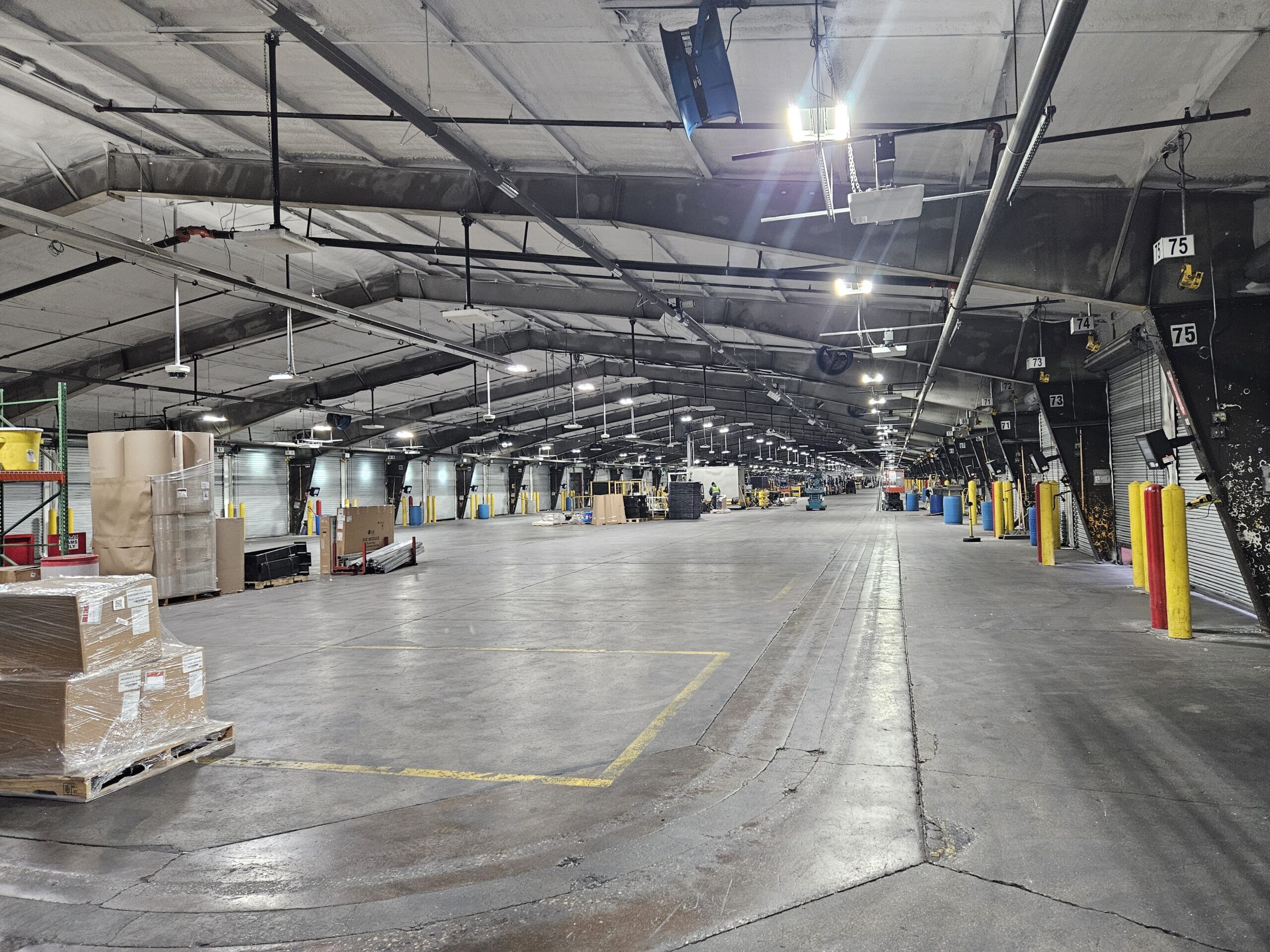
Commercial and Industrial Batt Applications in Williston
For commercial developers and energy sector facility operators managing large framing projects in and around Williston, batt insulation in open commercial wall and floor assemblies delivers predictable thermal performance at predictable cost, provided the installation standard holds across the full building volume.
Williston's energy economy means commercial insulation failures have direct operational cost consequences for the facilities they affect. A commercial building with inconsistent batt installation across the exterior wall assembly produces heating costs that do not reflect the insulation specification on the project drawings, and tracing the deficiency after drywall is up requires invasive investigation that costs more than the original installation would have cost to do correctly.
Our Full Range of Insulation Services in Williston, ND
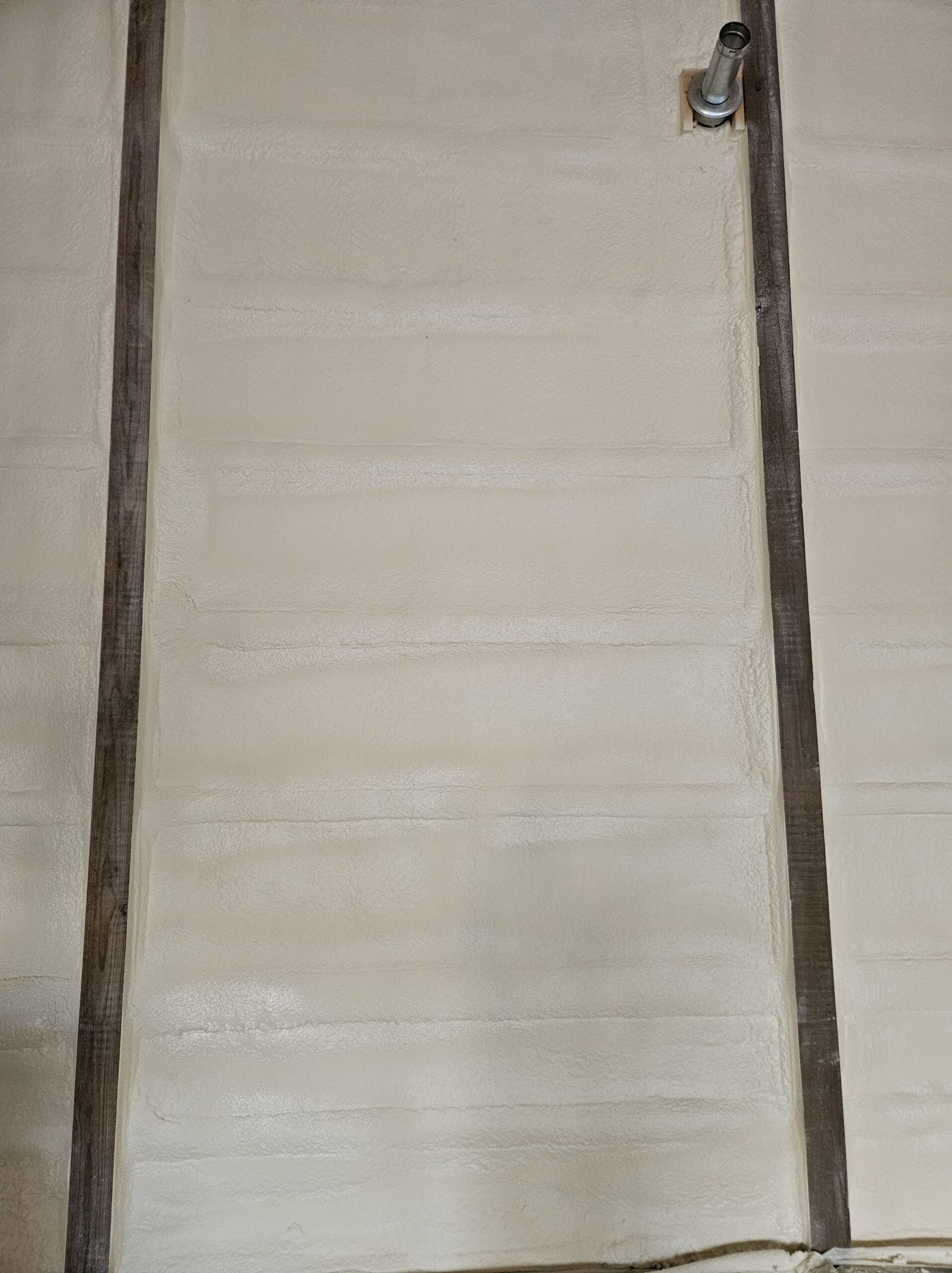
Spray Foam Insulation
For Williston applications where air sealing performance is the primary requirement, closed-cell spray foam at rim joists, band joists, crawl space walls, and commercial building envelope penetrations delivers a sealed, monolithic barrier that blown-in and batt systems are not designed to produce.
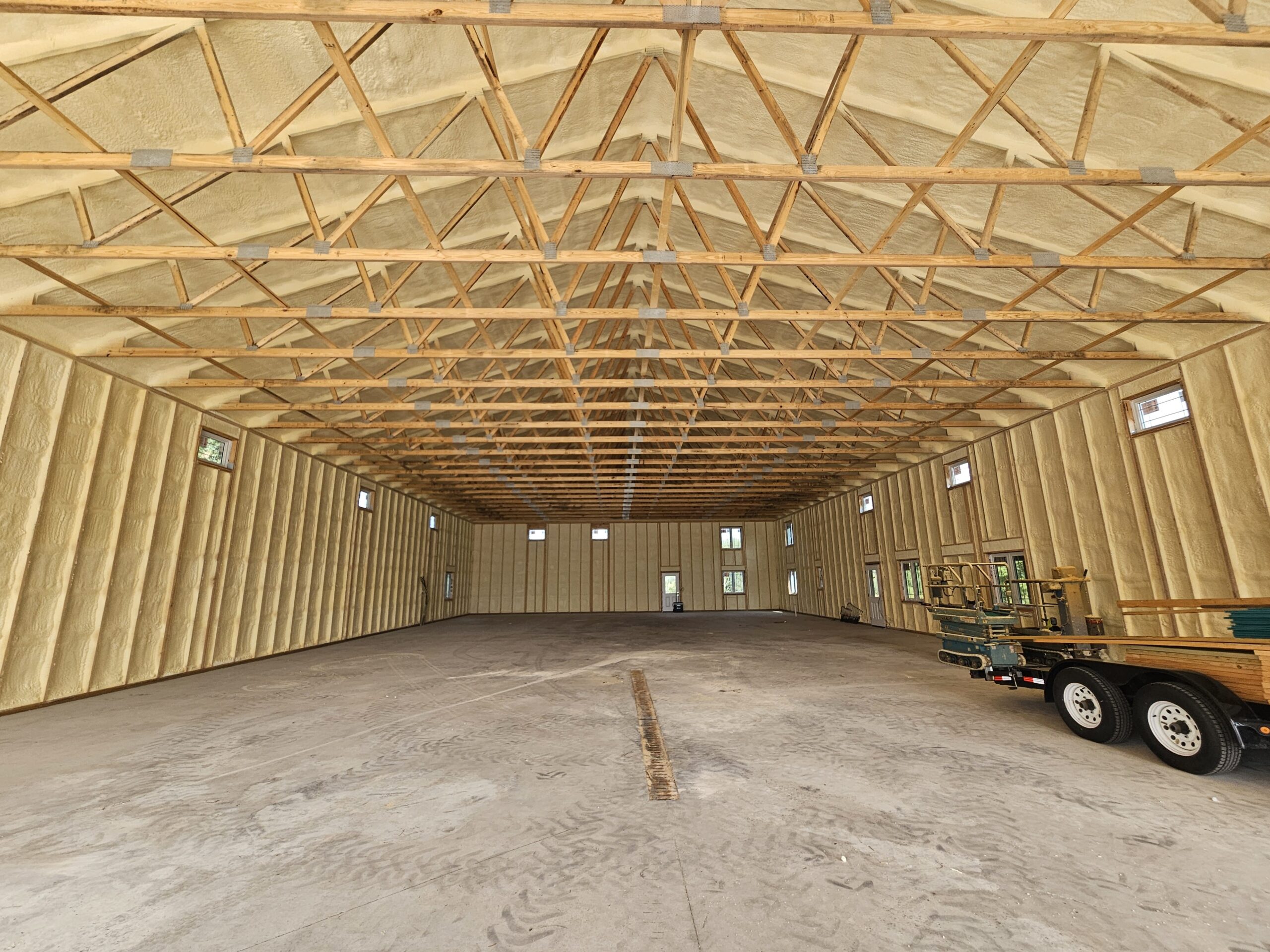
Pole Barn Insulation
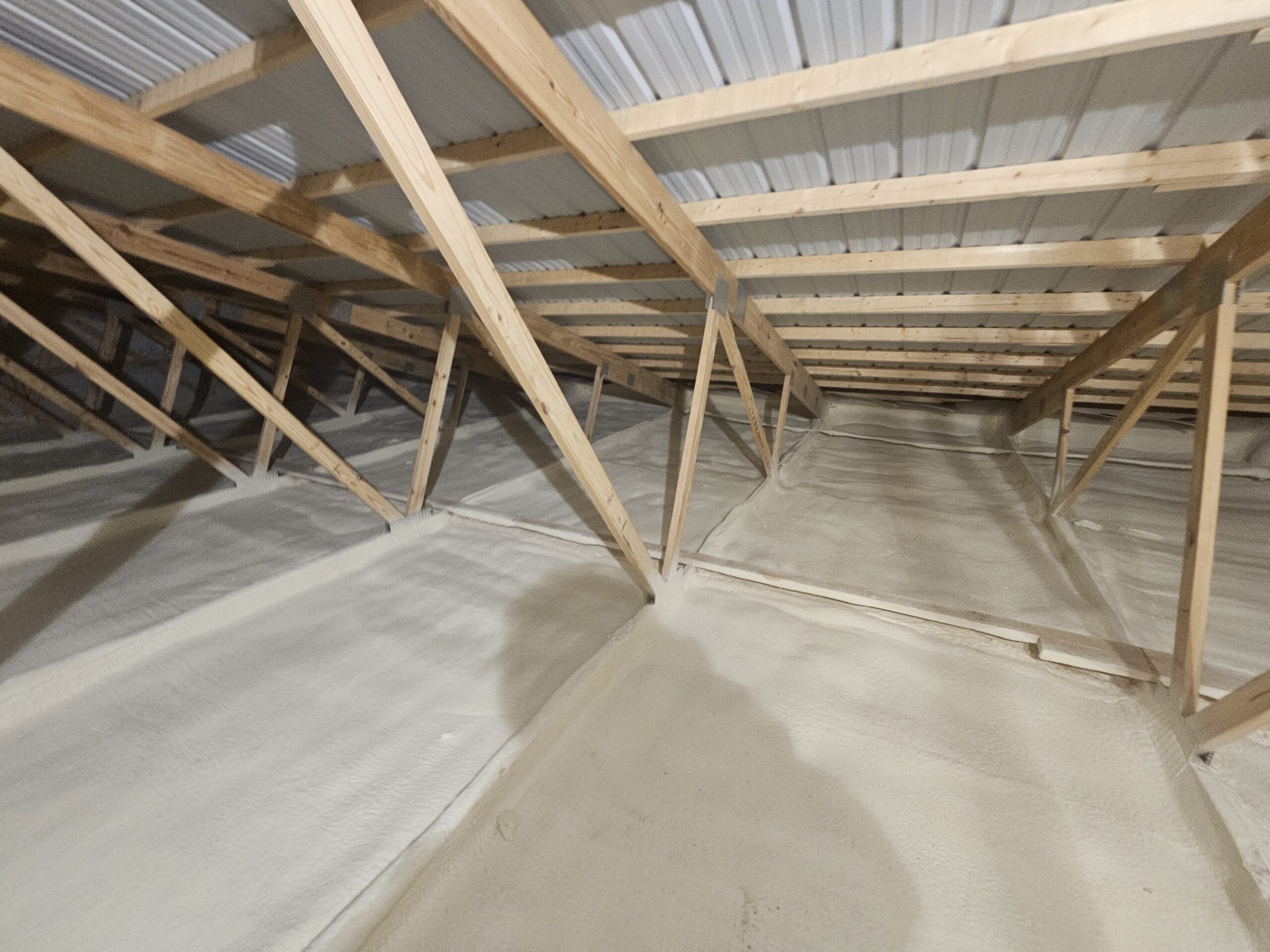
Williams County's agricultural and energy sector support economy includes a significant number of pole barns, machine storage buildings, and industrial support structures where standard insulation systems fail to perform through a Williston winter. Closed-cell spray foam applied to metal framing and roofing panels controls condensation at the surface, seals every fastener point and panel seam, and delivers the performance standard that those buildings need to be functional year-round.
Crawl Space Insulation
Williston's extreme cold creates crawl space conditions that drop floor temperatures throughout the building above, affect mechanical system performance, and create moisture environments that work against the structural framing over time. Properly specified crawl space insulation and vapor management address those conditions before they compound into damage that insulation alone cannot fix.
Under-Slab Insulation
On new construction across Williston and the surrounding area, under-slab insulation installed before the concrete pour creates a thermal break that changes how the finished floor performs through every heating season that follows. In a climate where ground temperatures pull heat out of slab-on-grade construction from October through April, that thermal break is one of the highest-impact decisions available at the pre-pour stage.
The Two-System Advantage -
Why Having Both Options Changes the Outcome for Williston Buildings
A contractor who only does blown-in recommends blown-in for every attic and wall cavity. A contractor who only installs batts recommends batts for every open framing situation. In both cases, the building gets insulated with whatever the crew carries rather than with what the application actually requires.
Blown-in and batt insulation serve different applications well. Blown-in performs best in attic spaces, existing wall cavities with limited access, and locations where filling irregular depth and conforming to confined framing geometry matter more than a precise R-value per inch. Batt insulation performs best in open wall and floor cavities during new construction, where access is straightforward, framing is regular, and cost-per-square-foot matters alongside thermal performance.
A Williston worker housing project might call for blown-in insulation over the attic floor and batts in the open exterior wall cavities during framing, each system in the application where it delivers the best result for that zone of the building. That combination produces a thermal envelope that performs better than defaulting to one system across every part of the project.
TCS runs two dedicated fiberglass rigs alongside its spray foam operation specifically because matching the system to the application is what produces Williston buildings that perform at their designed thermal standard through northwest North Dakota's most demanding winters, not buildings insulated with whatever happened to be on the truck.
Why Williston Contractors and Homeowners Trust Technical Construction Solutions
Foam-Informed Fiberglass Standards
The building science knowledge that comes from spray foam work directly improves the quality of blown-in and batt installations. Understanding how air bypasses cavity insulation and how coverage depth at the perimeter controls whether an attic performs produces a structural standard that typical crews miss.
Two Dedicated Fiberglass Rigs
Purpose-built equipment for loose-fill and batt work means Williston projects are not handled with secondary setups or improvised single-machine configurations. This operational depth ensures scaling accessibility without mid-season scheduling bottlenecks.
Built for Williston's Production Pace
The energy sector construction market moves at a pace that rewards contractors who can meet a committed schedule. Two rigs, professional crew coordination, and scheduling discipline built around production-driven timelines mean our phase does not hold up succeeding trades.
Coverage Verification Before Close-Out
Blown-in depth gets mapped at the critical zones before the job is called complete. Batt installation gets verified at penetration points, facing orientation, and cavity boundaries before the crew moves to the next phase. What gets specified gets installed.
Fair Pricing in Premium Markets
Williston's energy economy has pushed building costs across the board. TCS's founding commitment to professional-grade work at fair pricing means property owners and developers have access to quality cavity protection insulation without inflated margin pressures.
On Time. On Budget. Every Time.
In a construction market where project delays have direct financial consequences for energy sector operators and developers, the insulation phase finishes on the date agreed to and within the budget outlined at the start. Every single time.
Get a Free Blown-In and Batt Insulation Estimate in Williston, ND
Insulation that underperforms costs more than the installation price. In Williston's climate, the heating cost difference between a correctly installed attic and one with thin perimeter zones compounds through every winter the building is occupied, and that gap does not close until the coverage is corrected. The right starting point is a crew that verifies coverage at the critical locations and matches the system to the application, not one that finishes fast and moves to the next job.
Start with a free estimate. One conversation is enough to assess your building, identify the right insulation system for each application, and give you a clear picture of what it will cost, no pressure, no obligation.