
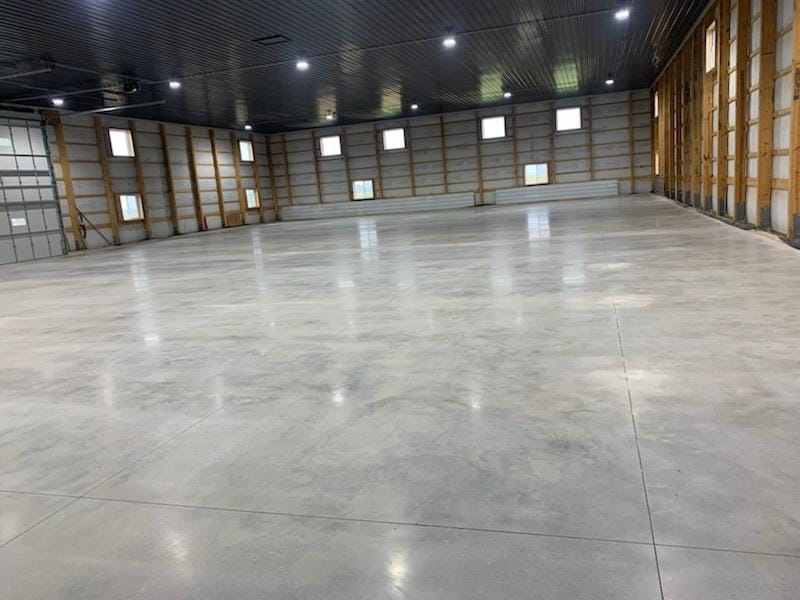
Upper Midwest Concrete Floor Polishing Specialists
Not a regional flooring chain running concrete as a product category. A construction-built operation with dual-state headquarters, industrial polishing systems, and the field experience to produce floors that hold up through the full range of Upper Midwest operating conditions, from the Iron Range to the Iowa border.
Why Choose TCS
Why Choose Technical Construction Solutions for Concrete Floor Polishing?
Across the Upper Midwest, the flooring problem we hear about most consistently is not that the work was never done. It is that the work was done and had to be done again. A warehouse manager in the Twin Cities metro paid to have a concrete floor polished and watched it wear through in the traffic lanes within fourteen months. A shop operator in central Minnesota had epoxy applied twice in three years because neither crew ground the slab before they coated it. A cold storage facility operator in western Wisconsin called us after a polished finish started dusting and absorbing fluid before the first full operating season was finished.
In every one of those cases, the root cause was the same: the contractor treated the visible surface as the starting point instead of treating the slab as a structural assembly that needed to be read and prepared before any finish was applied. A property manager at a distribution facility off I-94 in the western metro described it plainly after we assessed his floor. Every contractor he had spoken to before us had given him a price for what they were going to put on the floor. We were the first to explain what had to come off the floor first, and why that step was what determined whether the work would hold.
The floor that failed after one season was not failed by the product. It failed because whoever skipped the step that came before the product.
The Upper Midwest presents a range of sub-base conditions, seasonal extremes, and building types that make slab diagnostics before any polish or coating work more consequential here than in temperate markets. Heavy clay soils across the Red River Valley move differently than the sandy glacial outwash under central Minnesota lake country buildings. Frost depth in northern Minnesota reaches levels that create slab heave conditions that simply do not exist in southern states. A floor system that does not account for what the ground beneath it is doing will not hold its finish through a full seasonal cycle.
If your floors are underperforming, breaking down at the surface, or coming apart after a previous contractor's work, a free estimate is the right first step. One site visit is enough to read the slab and identify what it actually needs.
Polished Concrete for Commercial and Industrial Spaces Across the Upper Midwest
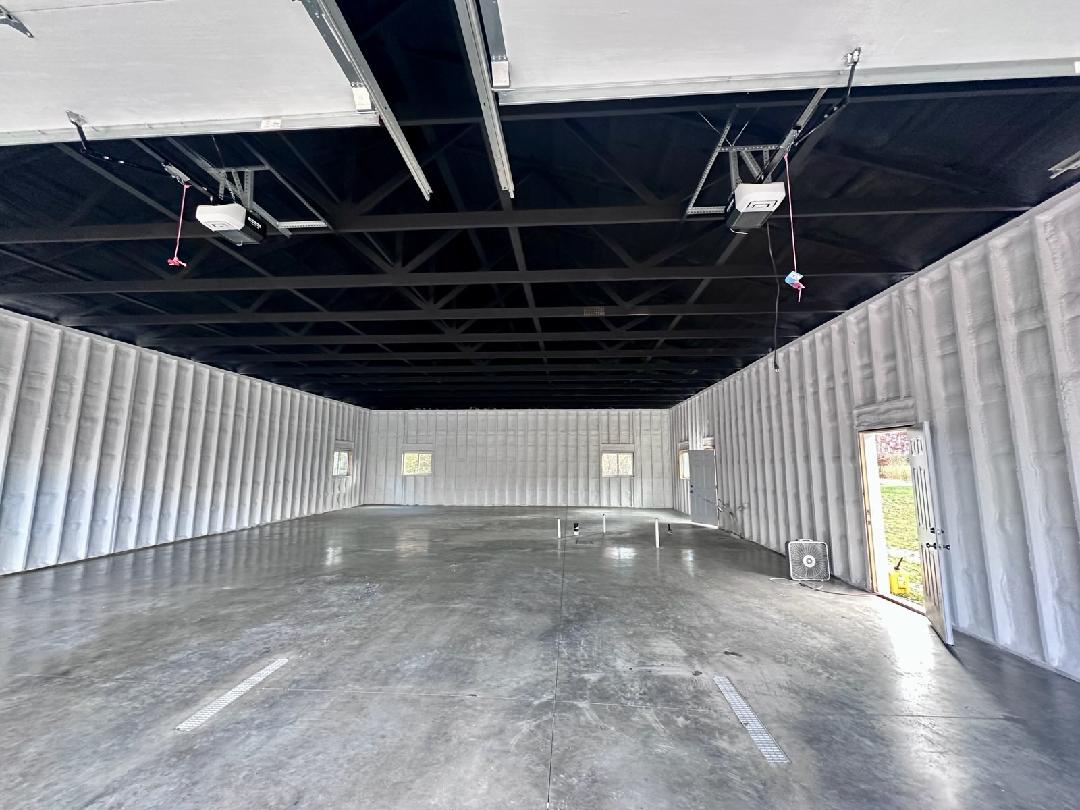 Commercial Scale
Polished Concrete for Commercial and Industrial Spaces Across the Upper Midwest
The commercial and industrial building inventory across the five-state Upper Midwest region TCS serves is as varied as the region's economy. Manufacturing and fabrication facilities along the I-94 corridor in Minnesota and Wisconsin. Agricultural processing and cold storage operations throughout the Dakotas and Iowa. Distribution centers anchoring the Twin Cities' outer ring. Equipment dealerships and service buildings in the small and mid-sized cities that anchor rural trade areas from Bemidji to Sioux City. Oilfield service infrastructure across western North Dakota.
Most of those buildings have one thing in common: concrete floors that were poured for function and have never been properly finished. Polished concrete changes without requiring the floor to be replaced. Diamond grinding opens the slab profile across the full floor area. The densifier penetrates the concrete matrix and hardens it from within. Each successive polish pass builds toward a surface that resists abrasion, fluid penetration, and daily mechanical load without requiring a recoating schedule on the back end.
For a parts distribution operation in the Twin Cities south metro, a vehicle service facility in Fargo's industrial corridor, or a large-format retail building in the Sioux Falls trade area, a floor that does not need to be maintained again after it is done removes a recurring operational cost that facility managers have been budgeting around for years.
For facilities where a polished base needs a chemical-resistant barrier on top, Epoxy Coatings can be specified alongside the polishing scope in a single project mobilization.
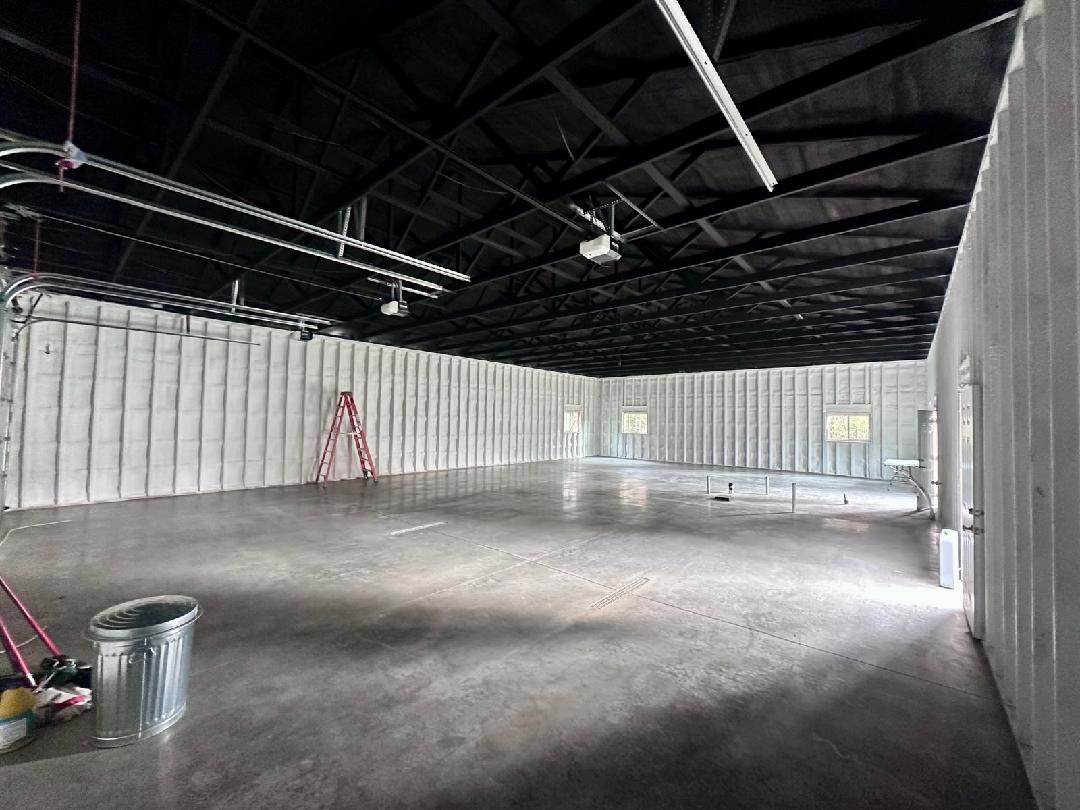 Working Buildings
Polished Concrete for Shops, Garages, and Working Buildings Across the Region
The private shops, heated detached garages, and steel-framed outbuildings spread across the Upper Midwest's rural townships, lake country acreages, and small city properties share a common flooring problem. They were built as working buildings, the floors took years of real use, and the concrete has absorbed everything that working conditions in this region produce: road calcium and sand from November through April, petroleum and hydraulic fluid residue, agricultural chemical exposure, and the thermal stress of a slab that cycles between subzero overnight temperatures and heated working conditions through the shoulder seasons.
A polished and densified concrete floor absorbs none of that. The surface cleans easily, does not hold stains or fluid, and does not break down under the combined mechanical and thermal stress that Upper Midwest working buildings put on their floors every year. For a machinist in northern Wisconsin, a custom fabricator on a central Minnesota acreage, or a rancher in North Dakota who wants a floor that matches the quality of the building it is in, polished concrete produces a result that holds its performance year after year without a replacement cycle attached to it.
Surface Grinding Across the Upper Midwest
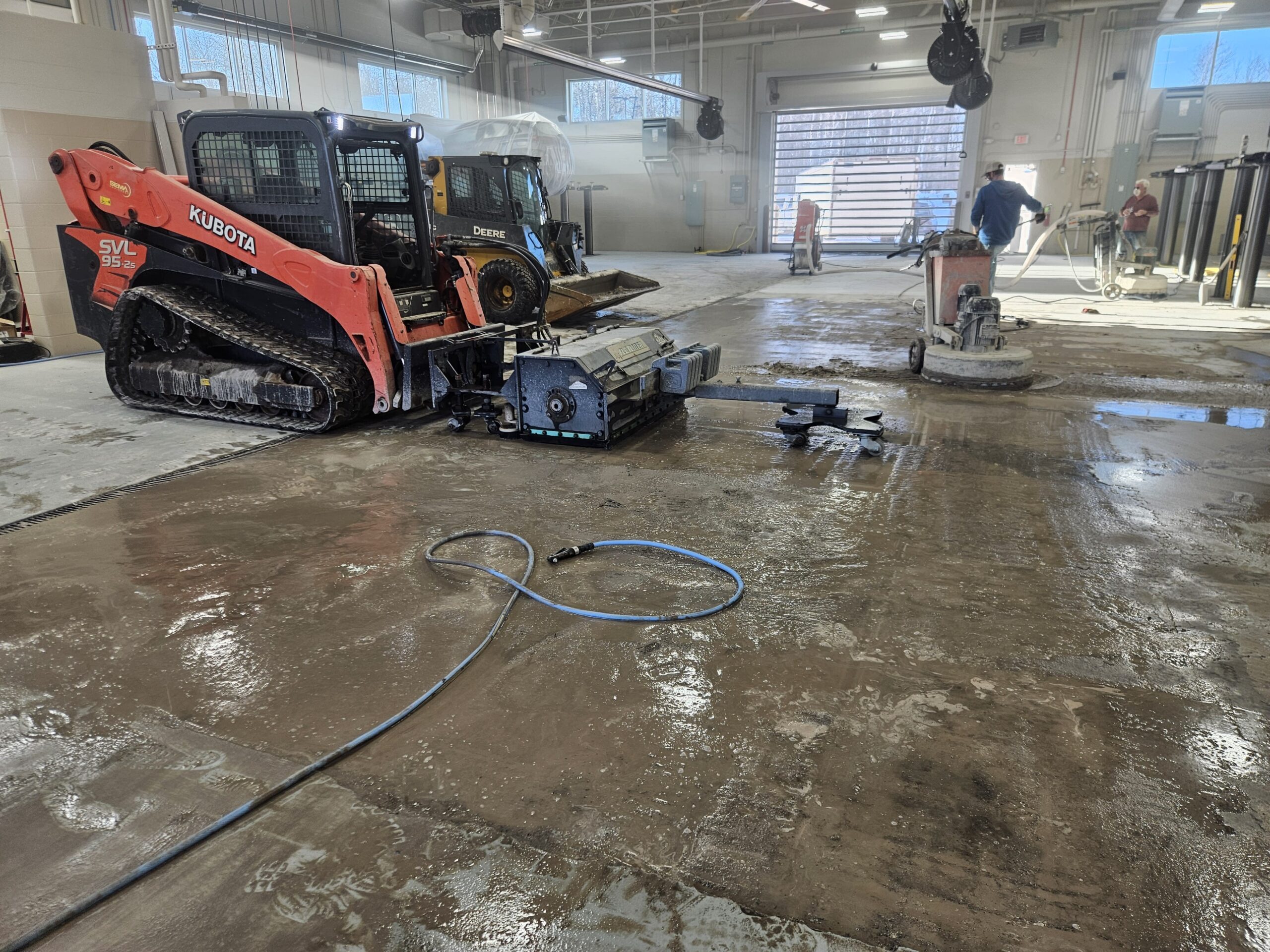
What Surface Grinding Actually Accomplishes, and Why No Polish Job Succeeds Without It
Surface grinding is not the preliminary step before concrete polishing. It is the step that every subsequent stage of the process is built on. Grinding removes the weak laitance layer that forms at the surface of every concrete pour, cuts through contamination accumulated from years of fluid absorption and equipment load, opens the concrete aggregate structure so densifiers and coating systems can penetrate the matrix rather than film over the top of it, and produces the flat, consistent profile that polishing and coating chemistry require to adhere correctly and perform at the specified standard.
Every surface coating failure that property owners attribute to the product or the weather has a prep failure underneath it. Paint that blisters near the overhead door. Epoxy that lifts at the perimeter seams before the second operating year is complete. Polished finishes that wear through in the forklift lanes faster than the project warranty covers. None of those are material defects. They are prep defects, and they trace back to a grinding pass that was skipped, abbreviated, or executed with equipment that was not matched to the floor area and condition being worked.
Surface Grinding for Coating Preparation
For facilities across the Upper Midwest planning to apply epoxy, polyaspartic, or other protective coating systems, surface grinding is the step that separates a coating that bonds and holds from one that begins separating at the edges within a single freeze-thaw season.
Matching the surface profile to the specific coating system being applied requires understanding both what the slab is doing below the surface and what the coating chemistry needs from the concrete above it. Flooring contractors who specialize in application but not in slab behavior rarely hold both sets of knowledge at the same time.
Because TCS works across concrete lifting, void filling, and structural repair alongside floor coating projects throughout the region, every project assessment includes slab conditions, moisture behavior, and sub-base movement as standard diagnostic practice. That background shapes how the surface gets ground before the coating goes down, not just what product specification gets selected afterward. In a region where the ground beneath buildings shifts meaningfully with frost depth every year, that slab-level understanding is what makes the difference between a bonded coating and a coating that starts moving when the season changes.
Surface Grinding for Leveling and Restoration Across the Upper Midwest
The Upper Midwest's commercial building inventory includes a significant volume of older structures where slabs have been through decades of real industrial and agricultural use without a restoration pass. A grain processing facility in the Minnesota River Valley, where the floor has absorbed decades of grain dust and equipment load. A manufacturing building in the Fox River corridor of eastern Wisconsin, where the original slab was poured without adequate depth control. A warehouse in the Fargo-Moorhead metro where frost heave over twenty years has produced surface variation that creates both trip hazards and coating adhesion problems.
Surface grinding resolves those accumulated conditions before they limit what can be done with the floor going forward. Deteriorated surface layers get cut back to sound concrete. High spots and settlement variations are ground to a consistent plane. Contaminated areas get stripped to a clean, bondable profile. What remains after a properly executed grinding pass is a slab that can receive whatever finish or coating the facility actually needs, regardless of the history that has built up on the surface over the years of its service life.
The Equipment Difference — Why It Matters on Large Upper Midwest Floor Projects
The floor areas inside Upper Midwest commercial and industrial facilities are not small jobs. A cold storage expansion in the Red River Valley. A large equipment dealership service building in central Minnesota. A distribution facility in the western Iowa trade corridor. Those floor areas require industrial grinding and polishing equipment to be covered correctly. Running undersized equipment across a 25,000-square-foot floor produces visible inconsistency across the field, adds days to the project schedule, and creates sections that require rework before any finish system can be applied.
TCS operates commercial-grade concrete grinding and polishing equipment built for industrial-scale floor areas. A general contractor managing a multi-building commercial development in the Twin Cities outer ring told us after the flooring phase wrapped that TCS was the only floor crew across that project that arrived with equipment scaled to the job scope. No additional mobilizations, no sections that had to be rerun, no timeline that ran past the estimate. The floors came in on schedule and within the stated cost across all buildings on that site.
"TCS was the only floor crew across that project that arrived with equipment scaled to the job scope. No additional mobilizations, no sections that had to be rerun, no timeline that ran past the estimate."
— General Contractor, Twin Cities Outer Ring Commercial Development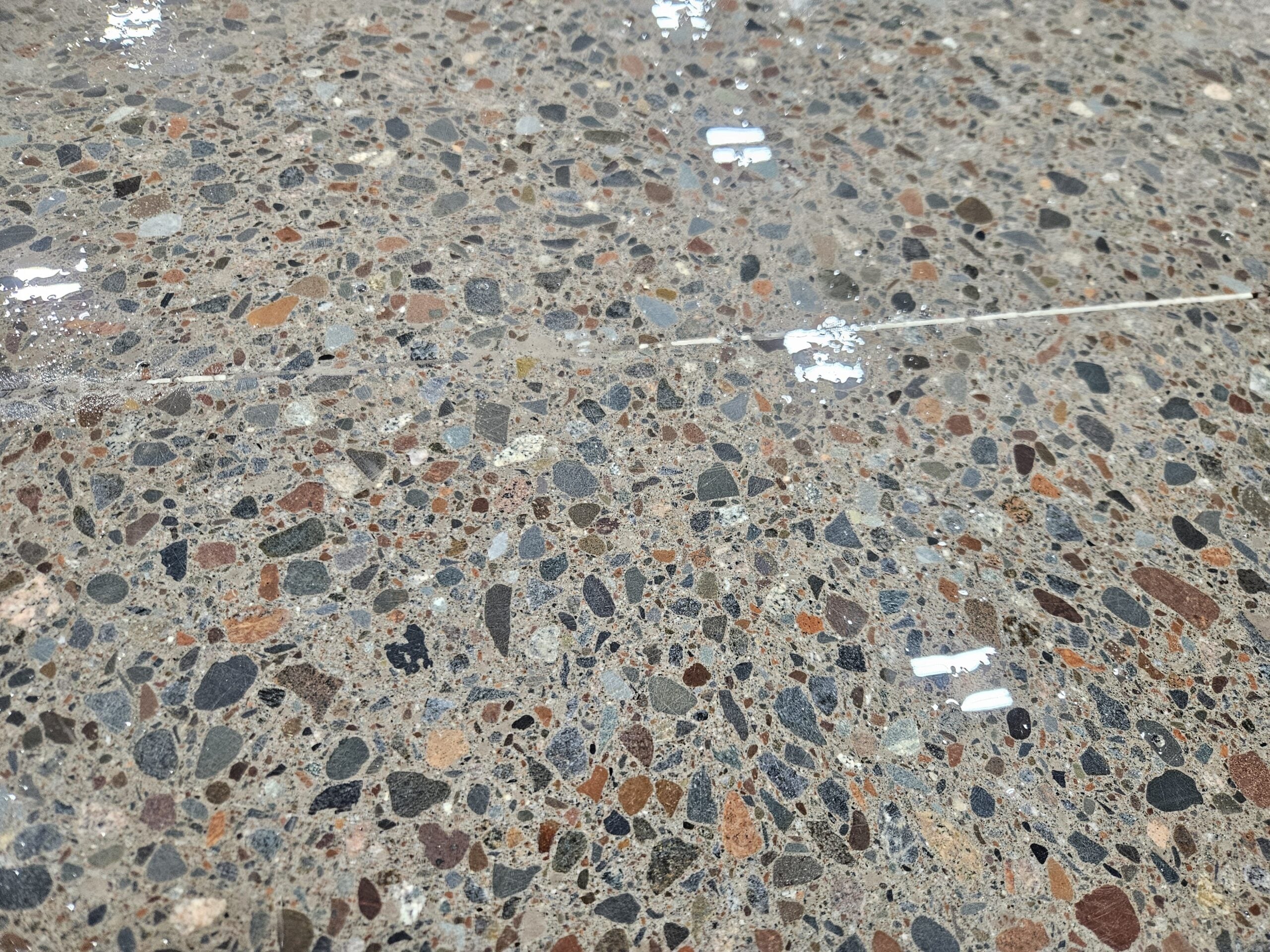
For Upper Midwest facility managers and commercial property owners where floor downtime has a measurable cost to daily operations, execution that matches the commitment made at estimate is the standard TCS holds every project to.
Why Upper Midwest Contractors and Property Owners Trust Technical Construction Solutions
15+ Years of Hands-On Construction Experience.
Every concrete polishing and surface grinding project is led by a professional with over 15 years of structural field experience on infrastructure projects across the Upper Midwest. Floors get assessed the way construction specialists assess them: slab performance is connected to moisture movement, sub-base conditions, seasonal frost behavior, and how the structure has settled over time. That diagnostic context shapes every decision made before the first grind pass.
Construction Roots, Not a Flooring Franchise.
TCS was built by a hands-on construction professional with a family background in the trade. Projects get the diagnostic approach of a structural specialist operating at a construction standard, not a franchise system that processes floor jobs by formula.
Deeper Concrete Knowledge Than Flooring-Only Contractors.
Working in concrete lifting, void filling, and structural applications alongside floor coating projects means the team reads slab behavior as standard practice across the full project scope. That knowledge shows in how surface prep gets calibrated to the specific site conditions of each Upper Midwest location, and in how long the finished floor holds under the loads and seasonal cycles the region puts it through.
Industrial-Grade Equipment for Any Project Scale.
Whether the job is a private heated shop in northern Minnesota or a 30,000-square-foot industrial facility in the Fargo trade area, the grinding and polishing equipment TCS brings is specified for the work at hand, not reduced to protect the bid margin.
Accurate Estimates. No Skipped Prep.
Every estimate reflects what the project actually requires from the first grind pass through the final polish stage. TCS does not compress prep to win a bid. A floor that was under-prepped is a floor that fails, and a floor that fails is not a completed project by any standard worth holding.
On Time. On Budget. Every Time.
Upper Midwest operations that cannot absorb extended floor downtime get a project that finishes on the agreed schedule and within the cost stated at the estimate. That reliability is produced by equipment capacity and preparation standards, not by cutting the scope to fit the deadline.