
South Dakota Concrete Lifting and Slab Leveling Specialists
South Dakota's Frost Depth and Expansive Soils Do Not Just Drop Concrete Once. They Create Subsurface Voids That Pull Slabs Back Down Season After Season Until the Void Gets Addressed, Not Just the Surface Above It.
Why Choose Technical Construction Solutions for Concrete Lifting and Slab Leveling in South Dakota?
South Dakota's concrete settlement problems are not uniform across the state, and they are not well-served by contractors who apply the same approach to every settled slab regardless of what the subgrade beneath it is actually doing. The Black Hills region produces frost penetration conditions in granitic and sedimentary soils that behave differently from the Missouri River clay corridor running through the center of the state. The eastern valley communities along the Big Sioux and James Rivers sit on expansive soils that absorb spring snowmelt, swell, heave concrete upward, then shrink back as summer dries them, dropping the same slab that heaved in March by September. And the agricultural communities across the prairie regions deal with wind-erosion-driven soil consolidation beneath concrete aprons and driveways that creates lateral void extent well beyond the visible settled section.
What those conditions share is the same diagnostic failure when a contractor addresses the surface without assessing the subgrade. Mudjacking slurry adds dead weight to already-compressing clay. A patch holds the visible gap while the adjacent void grows. The repair buys one winter. The property owner calls again in the spring.
I remember a conversation with a commercial property manager overseeing a large retail facility off South Minnesota Avenue in Sioux Falls who had scheduled mudjacking work on a loading approach the previous fall. By the following April, the same section had dropped again, this time further than its original position, and an adjacent panel had begun to show movement that had not been visible before the mudjacking work was done.
When we assessed the full approach, the mudjacking slurry had filled the primary void beneath the originally settled panel but had not addressed a lateral void that extended beneath the adjacent section. The added slurry weight had accelerated compression in that untreated zone. The repair had redistributed the problem rather than resolving it.
We foam-lifted both panels, addressed the lateral void that the mudjacking assessment had missed, and sealed the control joints at the approach edge to stop the water infiltration that had been feeding the erosion cycle. The approach has held through two South Dakota freeze-thaw seasons since the work was completed.
Lasting concrete repair in South Dakota requires understanding what the soil beneath the slab is doing and why, not just what the slab surface looks like from above.
Technical Construction Solutions was founded by Freddy Lewis, who grew up in a highway construction family and spent 15 years in the field before building TCS around foam technology. Beyond specialized slab leveling, this deep expertise in advanced polyurethane applications makes us a trusted insulation contractor in South Dakota, ensuring your property is protected both below the ground and within its walls. Highway lifting and undersealing demands the soil behavior and load distribution knowledge that makes repairs hold on difficult subgrade, and that standard is what TCS brings to every South Dakota concrete lifting project, regardless of size.
If your South Dakota concrete has settled, failed a previous mudjacking repair, or sits on subgrade that you know is moving season after season, a free estimate is the place to start.
Expert Concrete Lifting Services in South Dakota
Residential Concrete Lifting
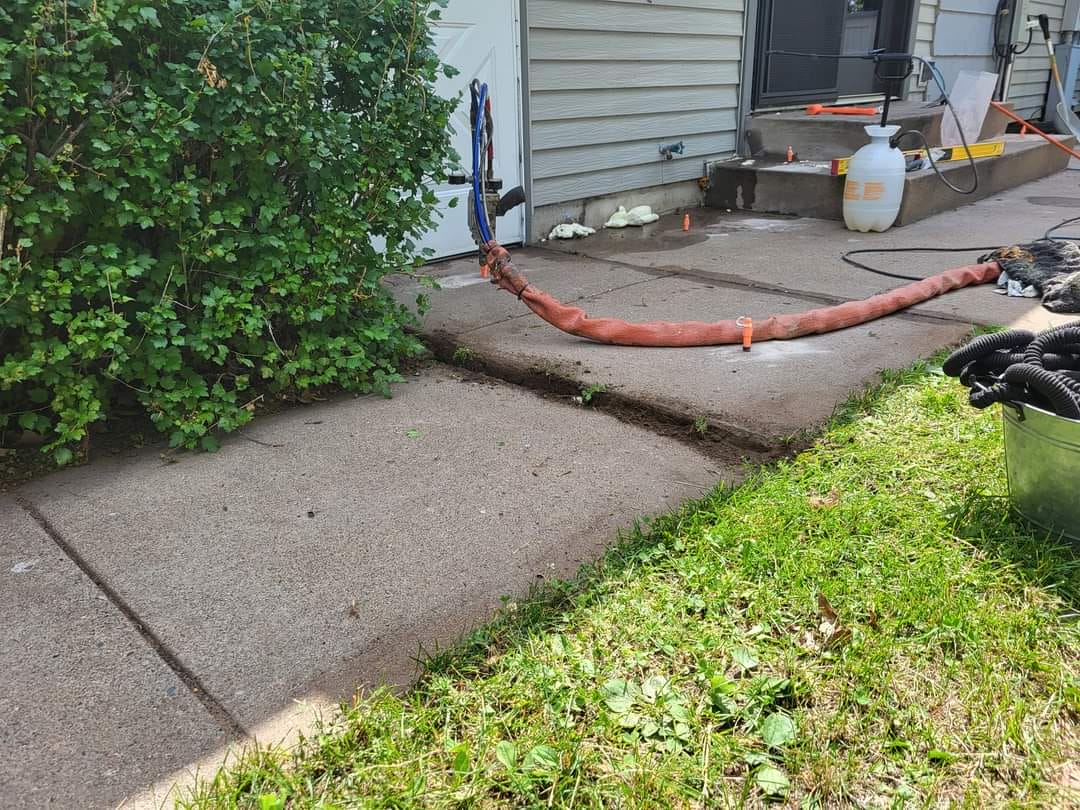
For homeowners across Sioux Falls, Rapid City, Aberdeen, Watertown, and the smaller agricultural communities throughout South Dakota's eastern plains and western ranch country, settled concrete is not just a visual problem for long. A driveway apron that has dropped at the garage transition now channels snowmelt toward the foundation wall rather than away from it. A sidewalk panel that heaved on the frost line through the winter becomes a trip hazard that is at its worst in April when the ground thaws. A patio slab that has tilted toward the house edge collects every rain event against the foundation and holds it there.
Each of those is a different failure mode that compounds every season without correction, and each one traces back to a subgrade condition rather than a surface condition.
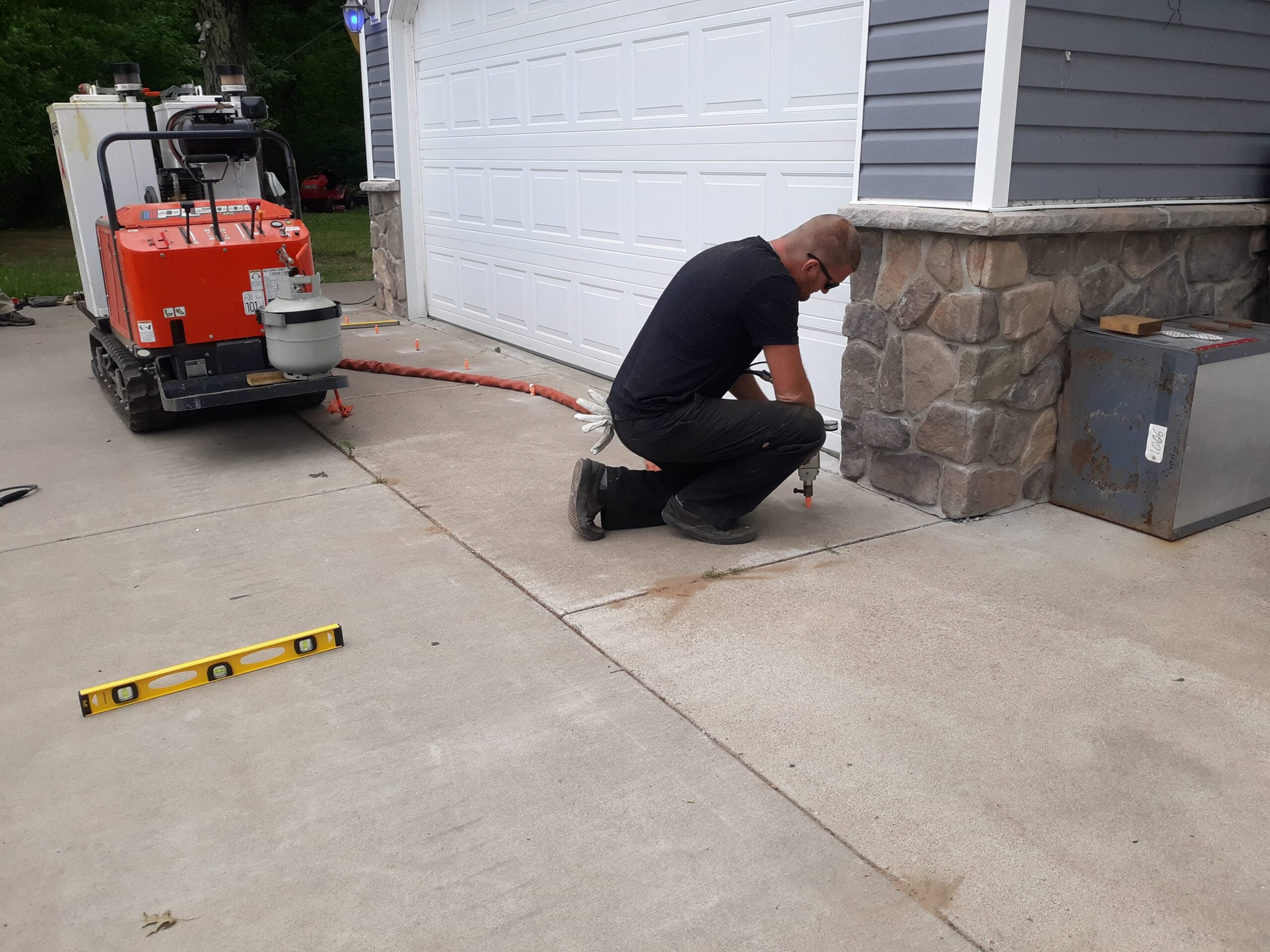
Polyurethane foam lifting addresses all of them through small-diameter drill holes placed in the affected slab. Foam is injected beneath the concrete, expands to fill the void, stabilizes the subgrade, and lifts the slab back to original grade with precision control that mudjacking cannot match on South Dakota's variable subgrade. The foam cures in minutes, the holes are patched flush, and the surface is back in use the same day without demolition, concrete trucks, or cure wait.
For South Dakota homeowners who have already had mudjacking done and watched the same section drop again, the weight variable is specific to this market's soil conditions. The clay soils that dominate South Dakota's eastern corridor compress under sustained load, and adding mudjacking slurry weight to an already-compressing subbase accelerates the settlement cycle rather than interrupting it. Polyurethane foam adds negligible weight, does not absorb moisture, and maintains its structural contribution through the freeze-thaw cycling that degrades cement slurry across a South Dakota winter.
Commercial and Infrastructure Concrete Lifting
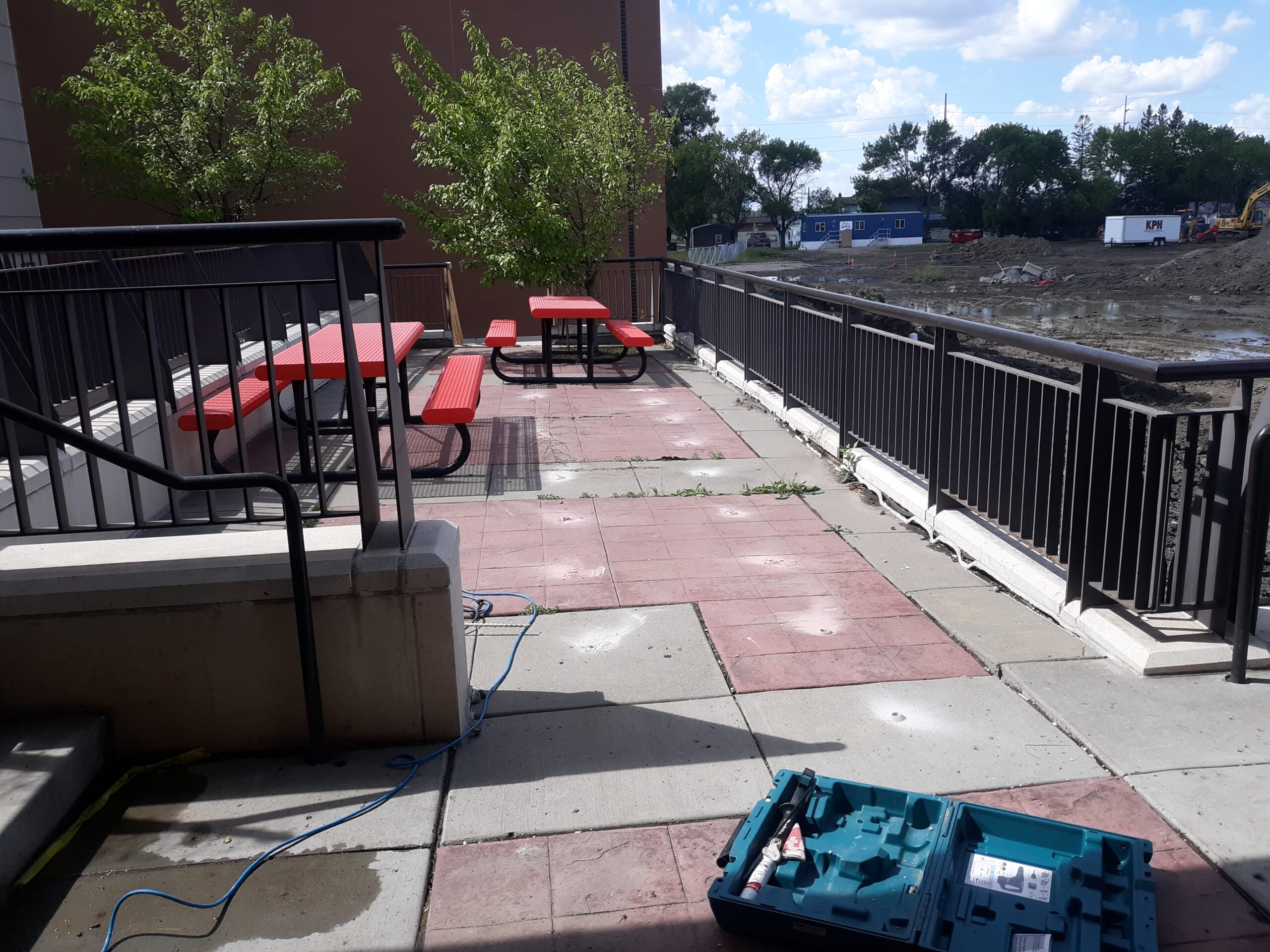
The commercial facilities along West 41st Street in Sioux Falls, the industrial buildings in Rapid City's Deadwood Avenue corridor, and the municipal infrastructure across South Dakota's smaller cities all present concrete settlement conditions that residential-only lifting contractors are not equipped to address at the scope and scheduling precision that commercial and municipal operations require.
Large commercial slabs, loading dock approaches, warehouse floors, and municipal aprons all carry real operational and safety implications when they settle, and correcting them requires a crew with the equipment capacity and field construction knowledge to complete the work within a defined operational window without disrupting the building operations running beneath and around the repair area.
TCS brings highway lifting and undersealing experience to every South Dakota commercial concrete project, because the diagnostic and specification standards that infrastructure-scale lifting demands are the ones that produce repairs that hold on difficult subgrade, not just on stable mineral soil in ideal conditions. The Track Buddy lifting rig TCS added specifically for concrete work reflects the same equipment investment standard that infrastructure lifting requires, and it is a purpose-built piece of lifting equipment rather than a spray rig adapted for a second use.
For South Dakota municipalities and commercial property managers, that capacity means a lifting crew that can handle the full project scope in a single mobilization, without the mid-project supply gaps and scheduling adjustments that undersized operations create on larger jobs.
Expert Slab Leveling and Related Services in South Dakota
Slab Leveling
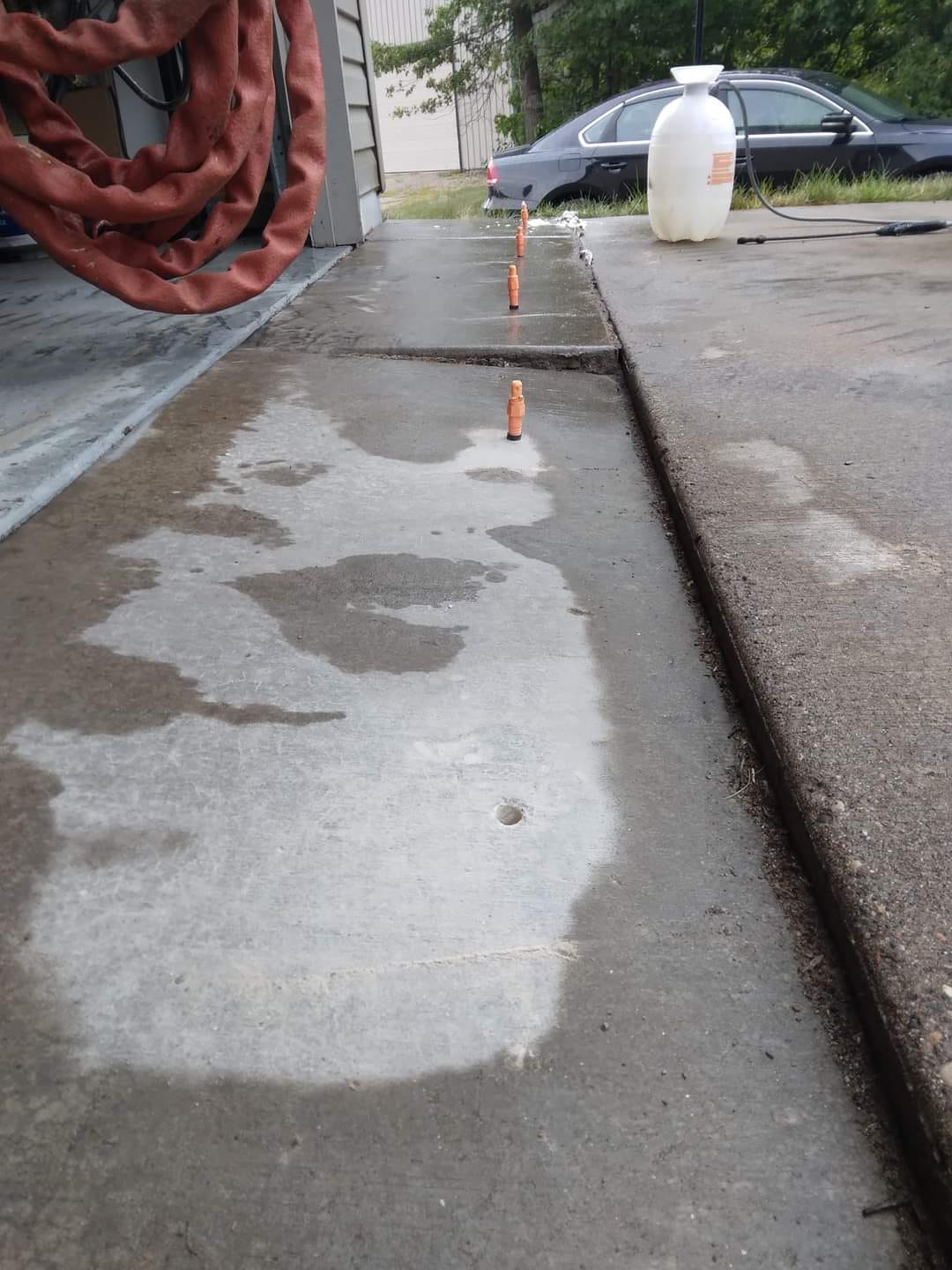
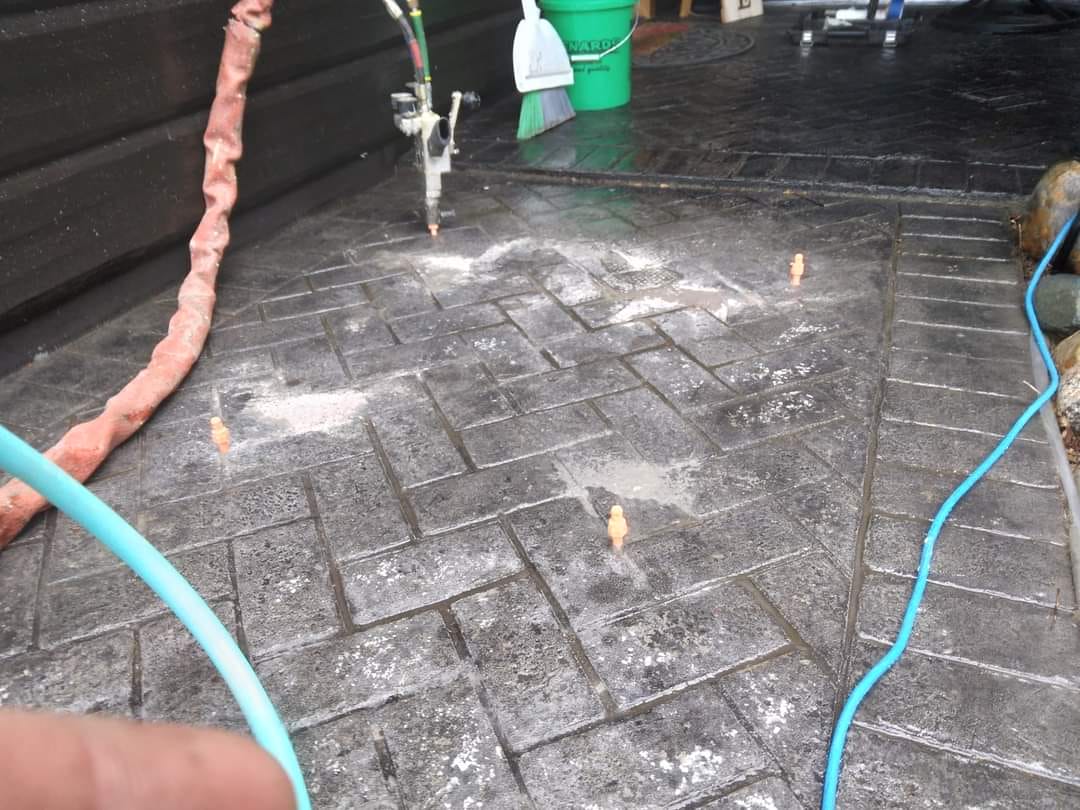
Precision polyurethane foam lifting for uneven and sunken concrete surfaces across South Dakota. Whether the project is a residential driveway in an older Sioux Falls neighborhood off Western Avenue, a commercial floor in a Rapid City facility near the Mount Rushmore Road corridor, or a municipal approach in one of the state's agricultural communities along the James River valley, slabs are restored to original grade with the accuracy that patching and mudjacking cannot deliver on South Dakota's variable and moisture-reactive subgrade.
Soil Stabilization and Void Filling
Identifying and pressure-filling subsurface voids beneath concrete slabs before they cause further settlement or panel failure. Voids beneath South Dakota concrete form through expansive clay compression during dry cycles, seasonal moisture migration that erodes fine soil particles from beneath slab edges, utility trench settlement in the urban residential and commercial areas of Sioux Falls and Rapid City, and frost-driven subgrade displacement through successive freeze-thaw cycles. Those voids grow larger with every season that passes without intervention, and they frequently extend laterally well beyond the boundary of the visible settled section.
For South Dakota agricultural properties and rural buildings where the subgrade has been subject to years of wind erosion, seasonal moisture cycling, and the soil consolidation that irrigation and spring runoff produce across the prairie regions, void filling is frequently the difference between a repair that holds for years and one that settles again before the following spring.
Joint Sealing
Sealing control joints and expansion gaps to stop water infiltration that leads to continued subgrade erosion and void formation. In South Dakota's climate, an open concrete joint is a direct water pathway to the subgrade through spring snowmelt events and the heavy rainfall that the eastern portion of the state receives through the growing season. In a state where expansive clay subgrade swells and contracts under sustained moisture contact, joint sealing after a concrete lift is what prevents the water infiltration cycle from restarting immediately after the repair is complete.
Leaving joints open after a lift produces a partial repair. The surface is level today. The void that caused it is already beginning to reform beneath the newly sealed panel because the water entry point was never addressed.
Driveway and Approach Lifting
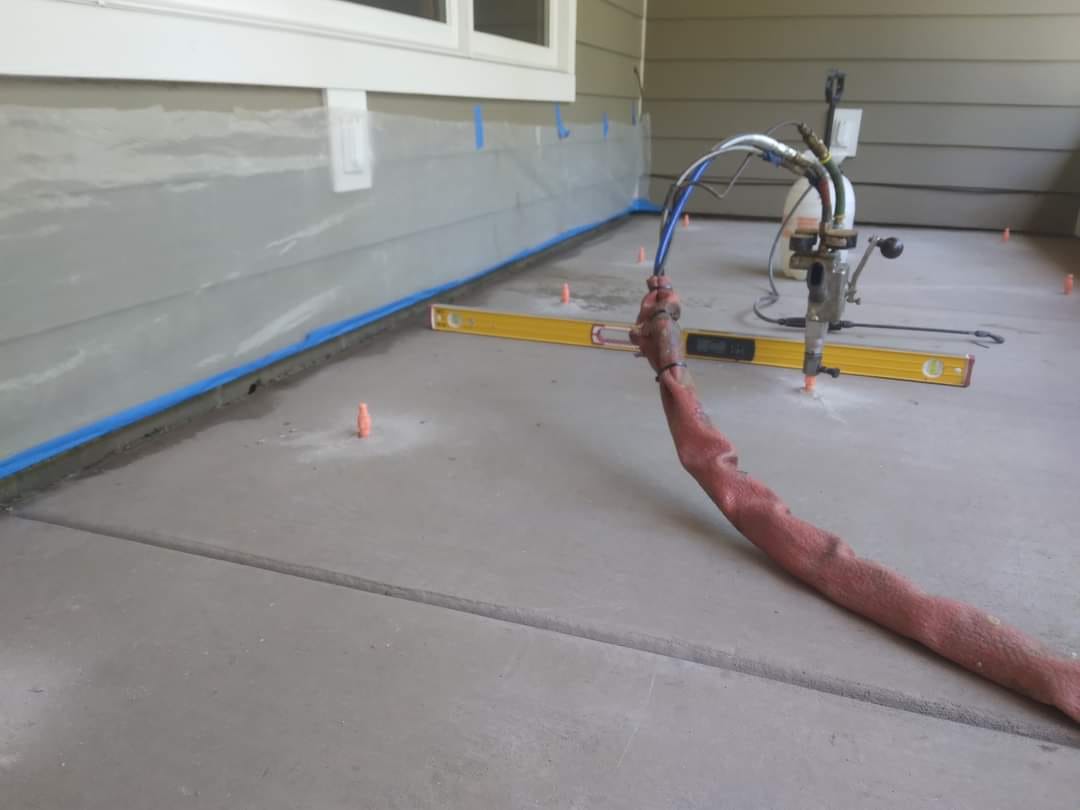
Driveway aprons, garage floor entry sections, and approach transitions were brought back to grade using foam precision. The approach-to-street transition is where South Dakota driveways most commonly settle, particularly on lots where drainage was not graded away from the structure at original construction and where decades of frost cycling, particularly in the areas of Sioux Falls, Aberdeen, and Watertown, where frost penetration reaches four feet and beyond, have carved subsurface void space beneath the apron section.
Sidewalk and Walkway Leveling
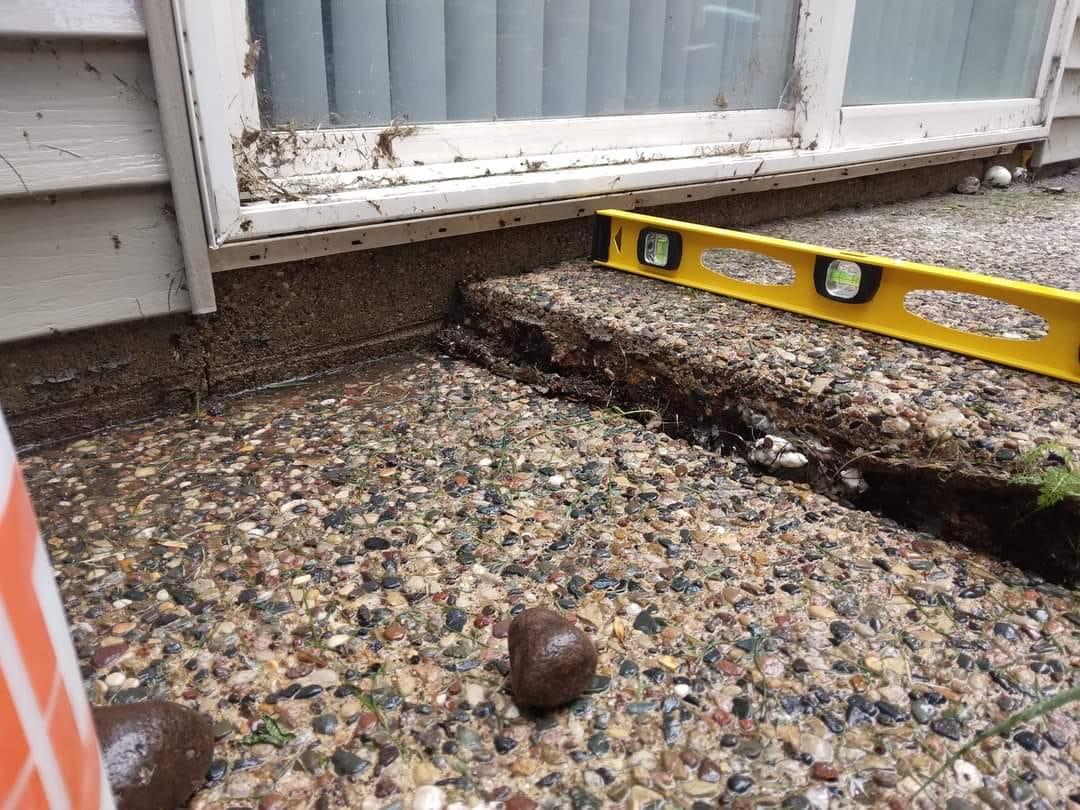
Trip hazard correction for residential walkways and municipal sidewalk panels across South Dakota's cities and rural communities. Sidewalk settlement in South Dakota's established residential neighborhoods frequently traces to clay subgrade compression, root displacement in the mature tree corridors that line older residential blocks, and the differential frost heave that occurs at panel joints where subgrade moisture and drainage conditions vary between adjacent sections. Fast turnaround, same-day surface availability, no demolition.
The Equipment Advantage: Why It Determines the Outcome on South Dakota Projects
Most lifting contractors operating in South Dakota arrive with a standard rig, standard foam density, and a scope defined by what the settled section looks like from the surface. For a small residential slab on a stable mineral subgrade, that approach is workable. For a large commercial apron on clay-dominant subgrade with significant lateral void extent beneath sections that have not yet visibly dropped, or a driveway that has already had one failed mudjacking repair, equipment capacity and foam specification matched to the actual subgrade conditions determine whether the repair holds through South Dakota's freeze-thaw season or whether the same property owner is making another call next spring.
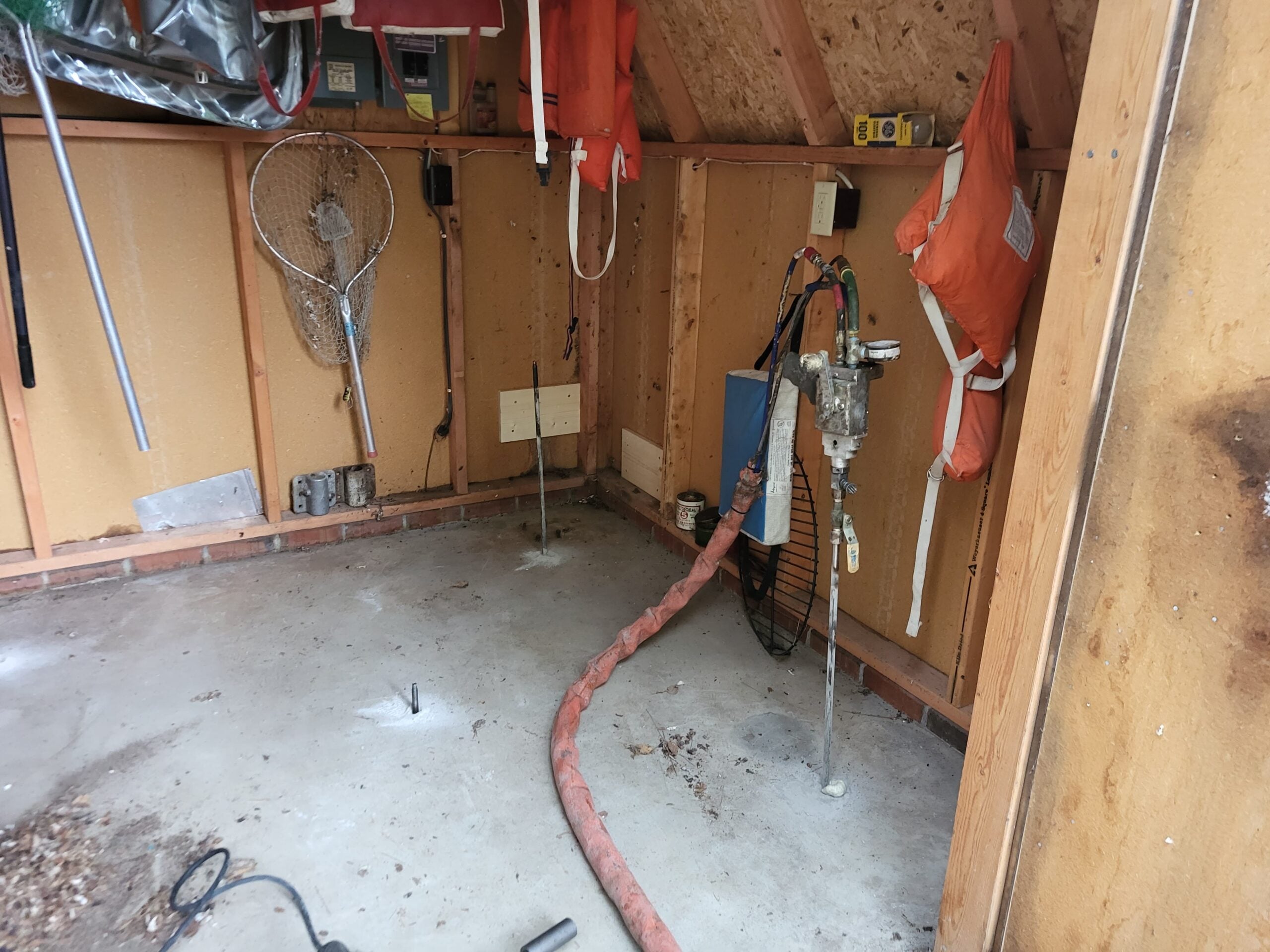
TCS operates dedicated foam lifting rigs, including the purpose-built Track Buddy concrete lifting rig, added to the fleet specifically for concrete work rather than adapted from spray foam application equipment. That distinction matters for precision lifting on larger slabs where void geometry is irregular, and foam density needs to be controlled across variable subgrade conditions within a single injection sequence.
"A commercial property manager TCS worked with on a larger facility approach in the upper Midwest market noted afterward that TCS was the first lifting crew he had scheduled who arrived with the full material volume needed to complete the assessed scope without a mid-project resupply, and who assessed the subgrade condition before specifying foam rather than discovering the true void extent mid-lift. The project was completed on the timeline outlined at the start of the engagement, and the surface has remained stable through subsequent seasonal cycles."
For South Dakota homeowners, dedicated equipment and correctly specified foam mean a repair that does not require a callback before the next winter. For commercial and municipal clients, it means the concrete work finishes in the operational window it was planned around.
Why South Dakota Contractors and Property Owners Trust Technical Construction Solutions
15+ Years of Highway Construction Experience. Applied to Every South Dakota Lift.
This company was founded by someone who grew up in a highway construction family and spent 15 years in the field before building TCS around foam technology. Highway lifting and undersealing demands structural precision and durability standards that residential-only lifting contractors do not develop when working on driveways. That standard applies to every South Dakota concrete project regardless of size.
The Void Gets Addressed. Not Just the Panel That Dropped.
Every concrete lifting project starts with an assessment of the extent of the void and subgrade conditions beyond the visibly settled section. A lift that leaves adjacent voids in place has not corrected the problem. It has moved the next settlement location one panel to the side and delayed the callback by one season. This crew does not leave voids adjacent to the treated area.
Purpose-Built Lifting Equipment. Not Repurposed Spray Gear.
The Track Buddy concrete lifting rig was added to the TCS fleet specifically for concrete work. That equipment investment reflects a different standard of commitment to lifting quality than a crew running foam through spray equipment adapted for a second application.
Fair Pricing. No Remote-Market Premium.
South Dakota property owners in communities outside Sioux Falls and Rapid City sometimes encounter elevated contractor rates because local alternatives are limited. Every TCS estimate reflects what the project actually requires at a fair price, regardless of location. No padding, no scope inflation, no addressing the easy panels and leaving the problem zones for a follow-up visit.
On Time. On Budget. Every Time.
Projects finish on the timeline agreed to and within the budget outlined. For South Dakota commercial and municipal clients managing active operations, the surface is back in service when the schedule said it would be.
Get a Free Concrete Lifting Estimate Anywhere in South Dakota
Spring is when South Dakota's concrete settlement shows its worst face. Frost releasing from depth, snowmelt infiltrating clay subgrade and expanding existing voids, and saturated soil conditions across the eastern valley corridor and the western ranch country all peak between April and June. Voids that formed or grew over the winter are at their largest before the subgrade begins to dry. Addressing them before the next freeze cycle is consistently less expensive than addressing them after another full winter of void growth and clay expansion has made the repair more extensive and more costly.
Start with a free estimate. One conversation is enough to assess the concrete, identify the void and soil conditions beneath it, and give you a clear picture of what the right repair will cost, no pressure, no obligation.