
Grand Forks's Blown-In and Batt Insulation Specialists
Not a single-system crew that defaults to whatever fits on the truck. A fiberglass insulation operation backed by foam expertise and purpose-built equipment, calibrated specifically for the coverage depth, density verification, and vapor awareness that Grand Forks's climate demands from every attic and wall cavity it installs.
Why Choose Technical Construction Solutions for Blown-In and Batt Insulation in Grand Forks, ND?
A homeowner near Kittson Avenue in Grand Forks had hired a crew to install blown-in attic insulation, but his heating system was still overworking and his rooms remained freezing.
The issue? The previous crew only filled the easily accessible center of the attic. The insulation thinned drastically at the eave lines and top plates. In a North Dakota winter, leaving these perimeter zones under-insulated guarantees massive heat loss, no matter how deep the center is.
We brought the eaves, top plates, and entire perimeter up to their correct verified depth. By the next winter, the home's thermal envelope performed as it should, and the heating system finally cycled normally.
Technical Construction Solutions (TCS), founded by Freddy Lewis, brings over 15 years of rigorous field experience to every project serving the Grand Forks envelope insulation market. The deep foam expertise TCS built its reputation on directly informs how we execute fiberglass blown-in and batt work. We understand the air bypass and vapor behaviors required to ensure an attic actually holds its rated R-value through the coldest months.
If your attic or wall cavities are underperforming, or you need new construction insulated correctly the first time, contact us for a free estimate.
Blown-In Insulation Services in Grand Forks, ND
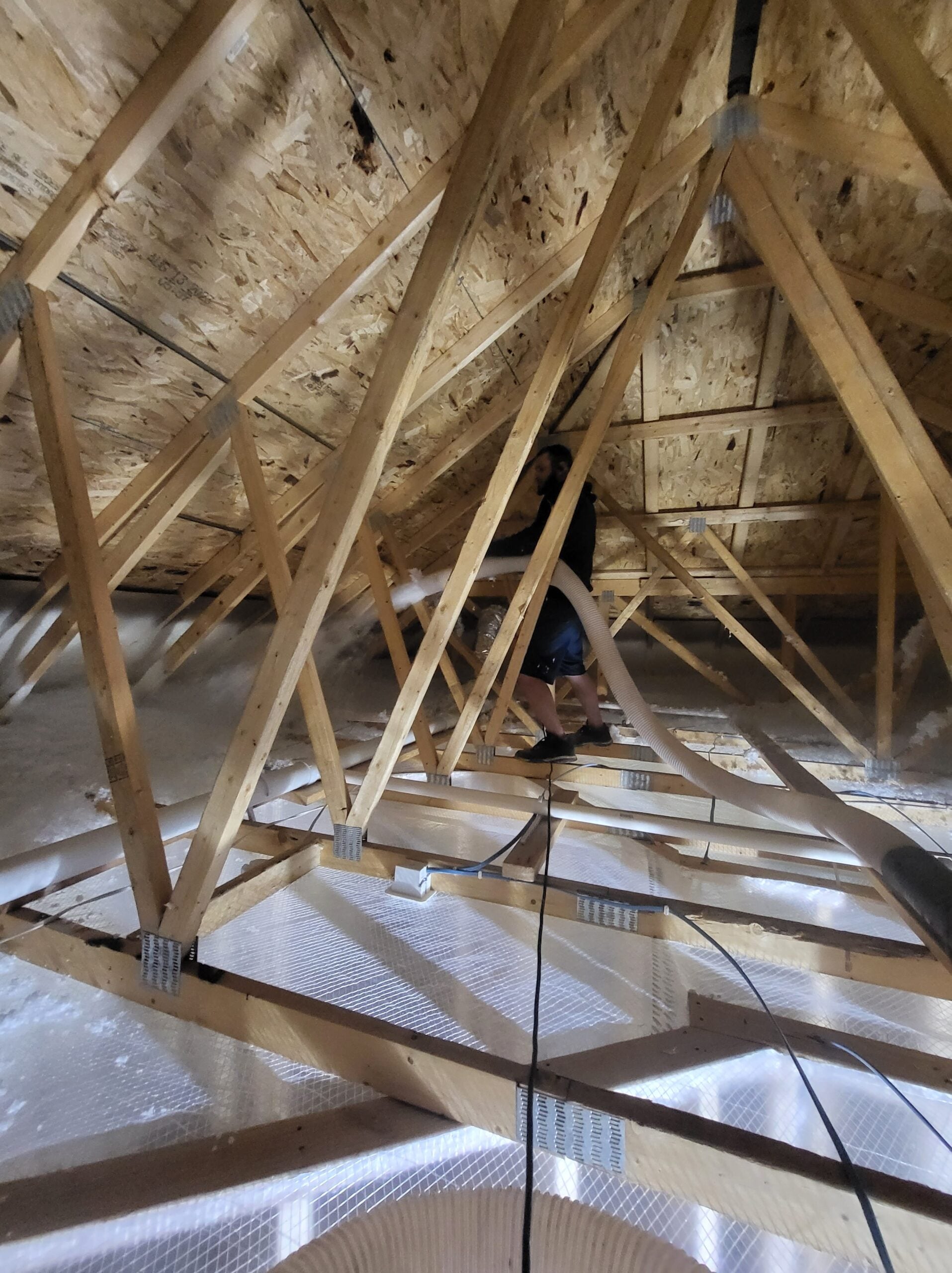
Attic Blown-In Insulation
For homeowners across Grand Forks, East Grand Forks, Emerado, and the surrounding Grand Forks County area, the attic is where insulation performance has the most direct impact on annual heating costs, and in the Red River Valley, that impact is felt for six or more months out of every year.
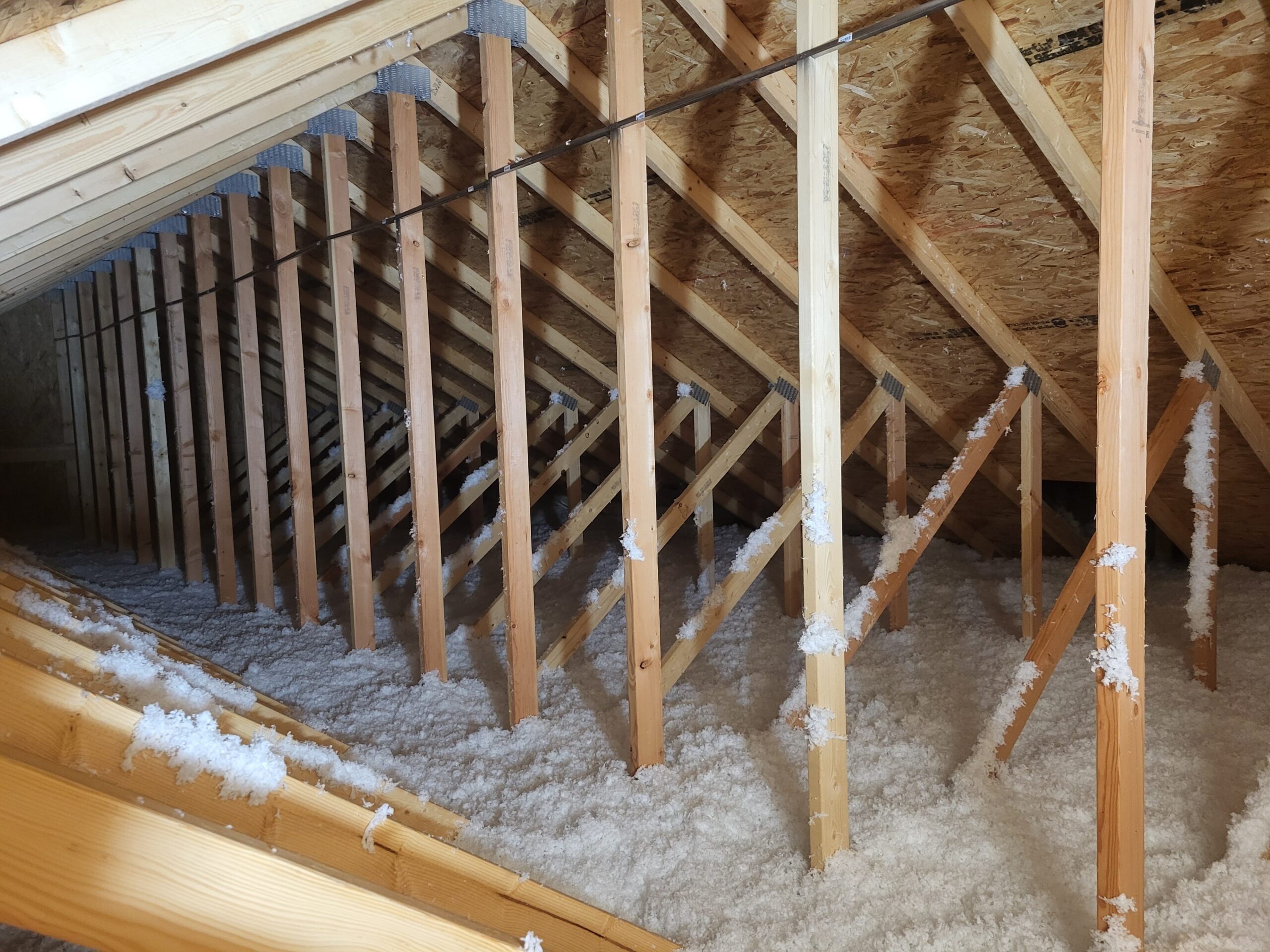
Grand Forks heating season is not a moderate-climate problem. The Red River Valley sits in one of the more demanding climate zones in the continental United States, and buildings with attic insulation that has settled below its original R-value, or that was never installed to full coverage depth in the first place, pay a compounding energy penalty every winter they remain that way. Blown-in insulation is the most practical system for bringing attic thermal performance up to the depth and coverage standard that Grand Forks winters require, whether the project is a first installation over an open attic floor or an upgrade over existing insulation that has settled since it was originally put in.
Fiberglass blown-in works well in Grand Forks attics, where coverage depth can be achieved and density verified before the crew leaves the building. The performance difference between a properly mapped installation and one that was completed quickly shows up in the first heating season and compounds annually from there. TCS's two dedicated fiberglass rigs are purpose-built for this work, and the installation process includes coverage verification at eave lines, top plate zones, and perimeter areas, not just the open center field that looks complete from the access hatch.
For Grand Forks's significant stock of older homes, particularly in the established neighborhoods north of Gateway Drive and along the older blocks closer to downtown, blown-in over settled or under-depth existing insulation is frequently the most cost-effective path to meaningful energy performance improvement without a full wall cavity retrofit.
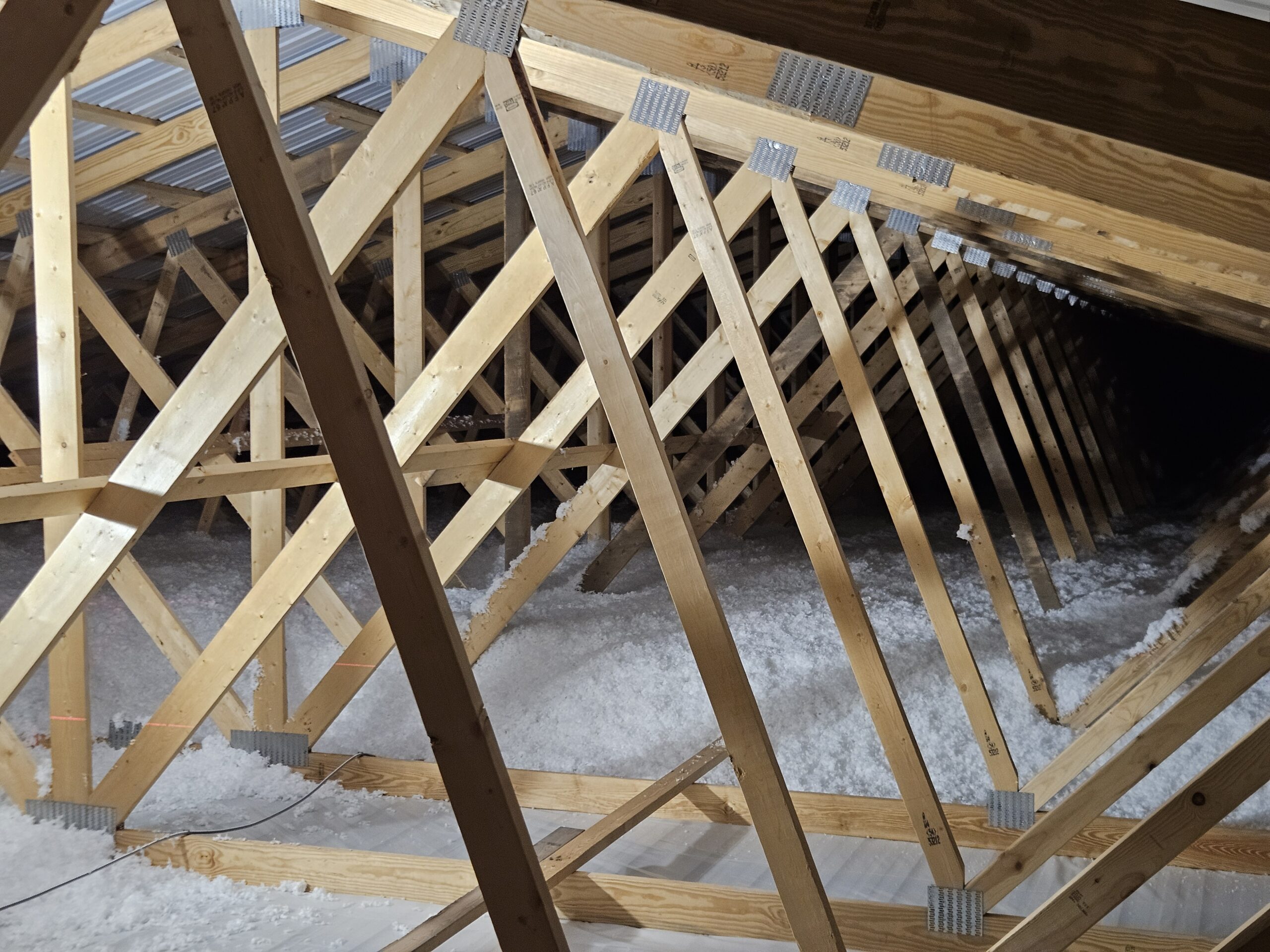
Wall Cavity Blown-In for Existing Grand Forks Homes
Grand Forks has a substantial number of homes built through the 1960s, 1970s, and 1980s, where wall cavities were either left open or insulated to the standards of an earlier era when energy costs and climate performance expectations were both considerably lower. For those homeowners, blown-in insulation into existing wall cavities is the most practical way to improve wall thermal performance without opening the exterior cladding or disturbing finished interior walls.
The process involves drilling small access holes at each stud bay, filling the cavity with blown-in material to the proper density, and patching the access points. The critical factor is density. A stud bay blown too loosely settles over time and leaves a void at the top of the cavity that performs no better than an empty wall. A cavity filled at the correct density holds in place and maintains its thermal value for the life of the wall assembly.
For Grand Forks homeowners managing properties where heating costs have increased as the building has aged and the original wall insulation has either settled or degraded, wall cavity blown-in is frequently the renovation with the most measurable return per dollar spent on the thermal envelope. TCS's foam background informs how cavity fill density gets verified before access holes are patched, because a stud bay that looks full from the drill point can still be underperforming if the density standard was not met during the fill.
Batt Insulation Services in Grand Forks, ND
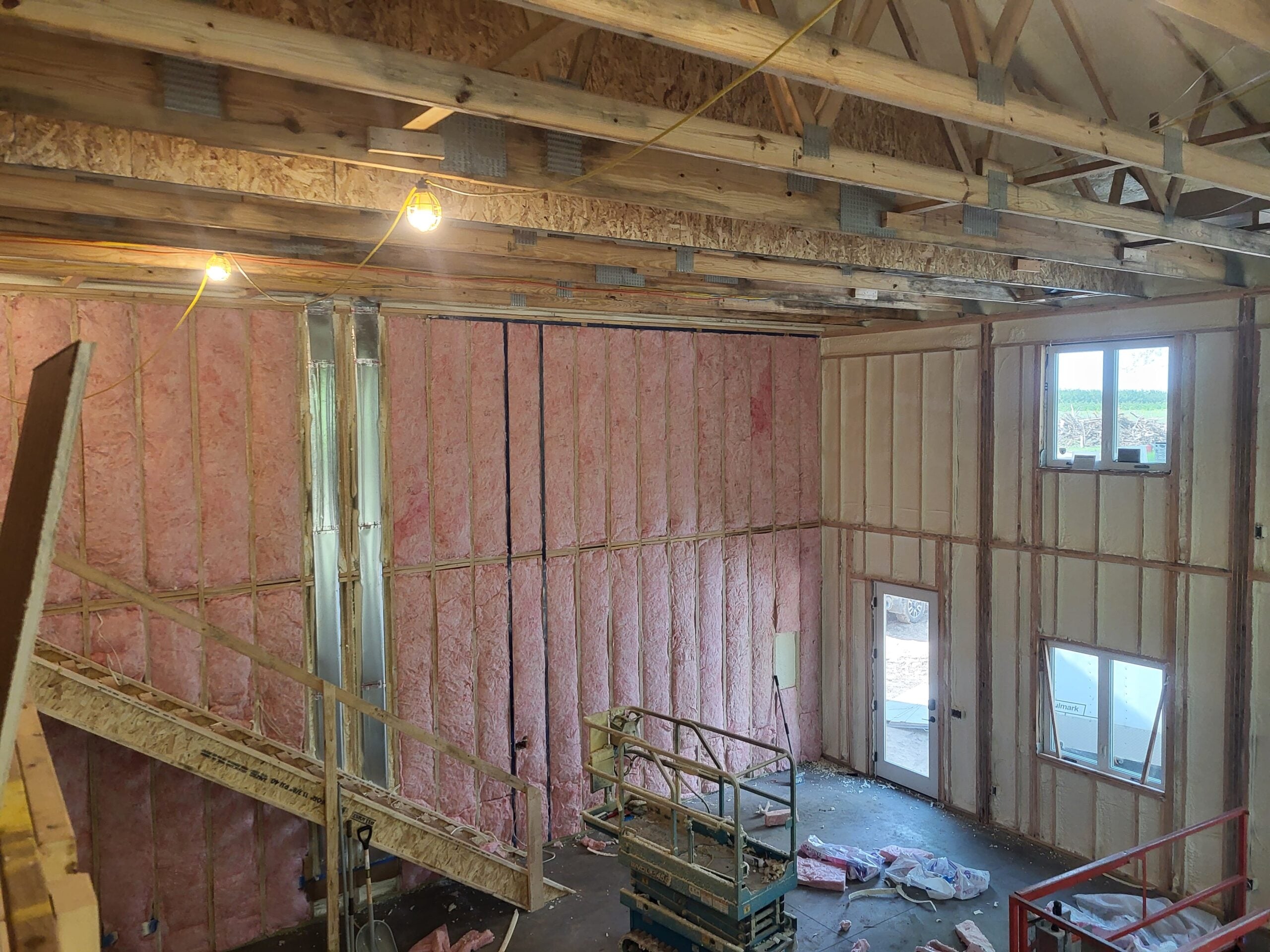
Where Batt Insulation Belongs and Where It Does Not
Batt insulation is not the highest-performance system available. Closed-cell spray foam leads in air sealing and vapor control, and blown-in typically outperforms batts in attic applications where depth can be achieved and coverage verified across irregular framing. But in the right application, correctly installed fiberglass or mineral wool batts deliver reliable, cost-effective thermal performance that fits the budget realities of residential new construction and commercial framing projects across Grand Forks County.
The right application is an open wall or floor cavity during new construction or renovation, where access is straightforward, framing is regular, and the budget makes spray foam or blown-in less practical for that specific assembly. In those conditions, batts installed with full cavity coverage, proper facing orientation, no compression, and no gaps at electrical boxes or plumbing penetrations perform at their rated R-value for the life of the assembly.
The wrong application is a cavity with irregular framing, air movement pathways that batts cannot bridge, or penetration points that cannot be fully covered. In those conditions, batts underperform regardless of how carefully they are placed, because the system does not match what the application actually requires.
TCS carries blown-in and batt alongside its spray foam systems because matching the system to the application, not defaulting to whatever the crew runs, is what produces Grand Forks buildings that perform at their designed thermal standard through a North Dakota winter.
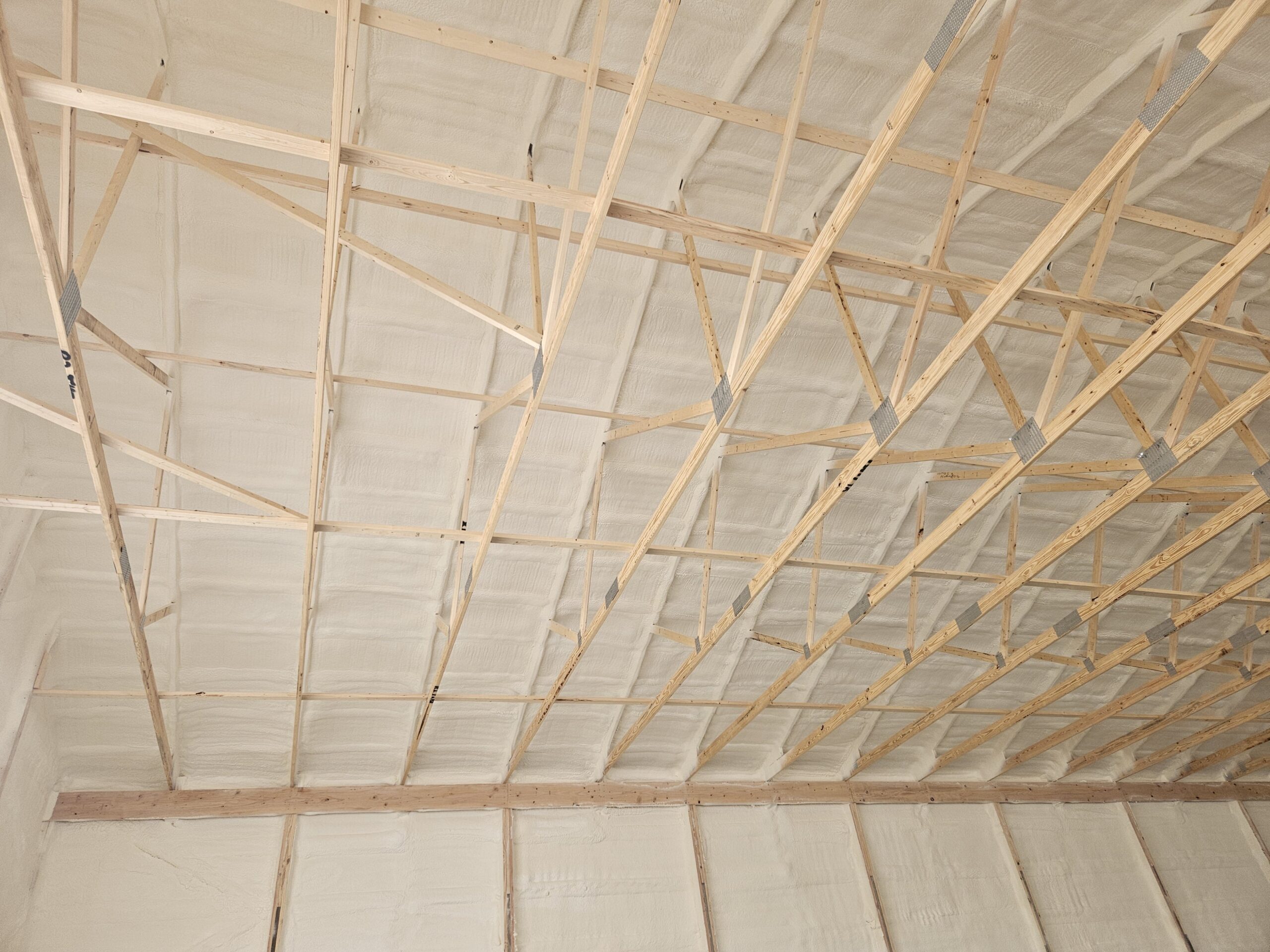
Residential Batt Insulation for New Construction in Grand Forks
For builders and homeowners managing residential new construction across Grand Forks, Grand Forks County, and the surrounding area, batt insulation in open wall and floor cavities during the framing phase keeps the thermal envelope moving on schedule and on budget without sacrificing performance in the applications where batts genuinely belong.
What separates a quality batt installation from one that falls short of its rated R-value is precision at every penetration point: electrical boxes, plumbing runs, top and bottom plate sections, window and door rough openings, and the areas around HVAC penetrations that are easy to compress or leave partially uncovered when a crew is moving through high cavity volume. A correctly installed batt fills the cavity fully, maintains facing orientation throughout, and leaves no gaps at the irregular edges that are hardest to fit cleanly.
For Grand Forks builders operating in the compressed window between spring thaw and fall weather close, a crew that maintains that installation standard through the full framing phase, not just the first wall section, keeps the thermal envelope on spec from the foundation to the ridge.
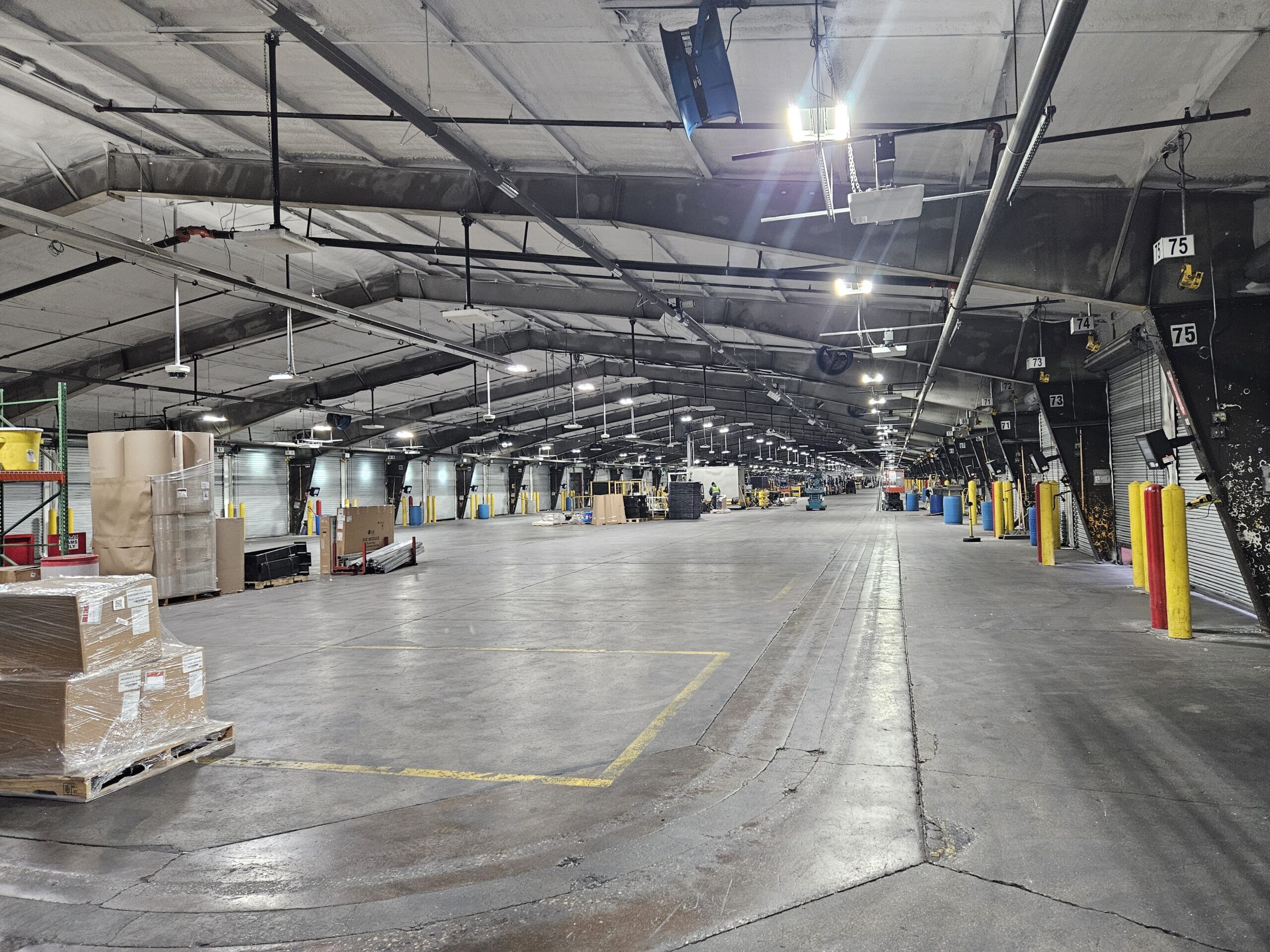
Commercial and Multi-Unit Batt Applications in Grand Forks
For commercial developers and multi-unit residential builders managing large framing projects in Grand Forks, where cost-per-square-foot drives insulation decisions across significant square footage, batt insulation in open commercial wall and floor assemblies delivers predictable thermal performance at predictable cost when installation discipline holds across the full building volume.
The challenge on large commercial batt projects is maintaining coverage standards through a high cavity count. A crew that is precise through the first phase of a building and degrades in attention as volume accumulates, produces inconsistent performance across the envelope, with cold zones in a finished commercial building that do not trace back to any single obvious failure point. TCS applies the same coverage standard to cavity one and cavity four hundred, because uniform performance across the full building is the outcome commercial clients are paying for when they schedule an insulation contractor.
For projects near the South Washington Street commercial corridor, University Avenue development, or the institutional facilities that support UND and Altru Health System, consistency across high cavity volume is what separates a batt installation that performs at spec from one that underperforms in sections and drives up operating costs for the life of the building.
Our Full Range of Insulation Services in Grand Forks, ND
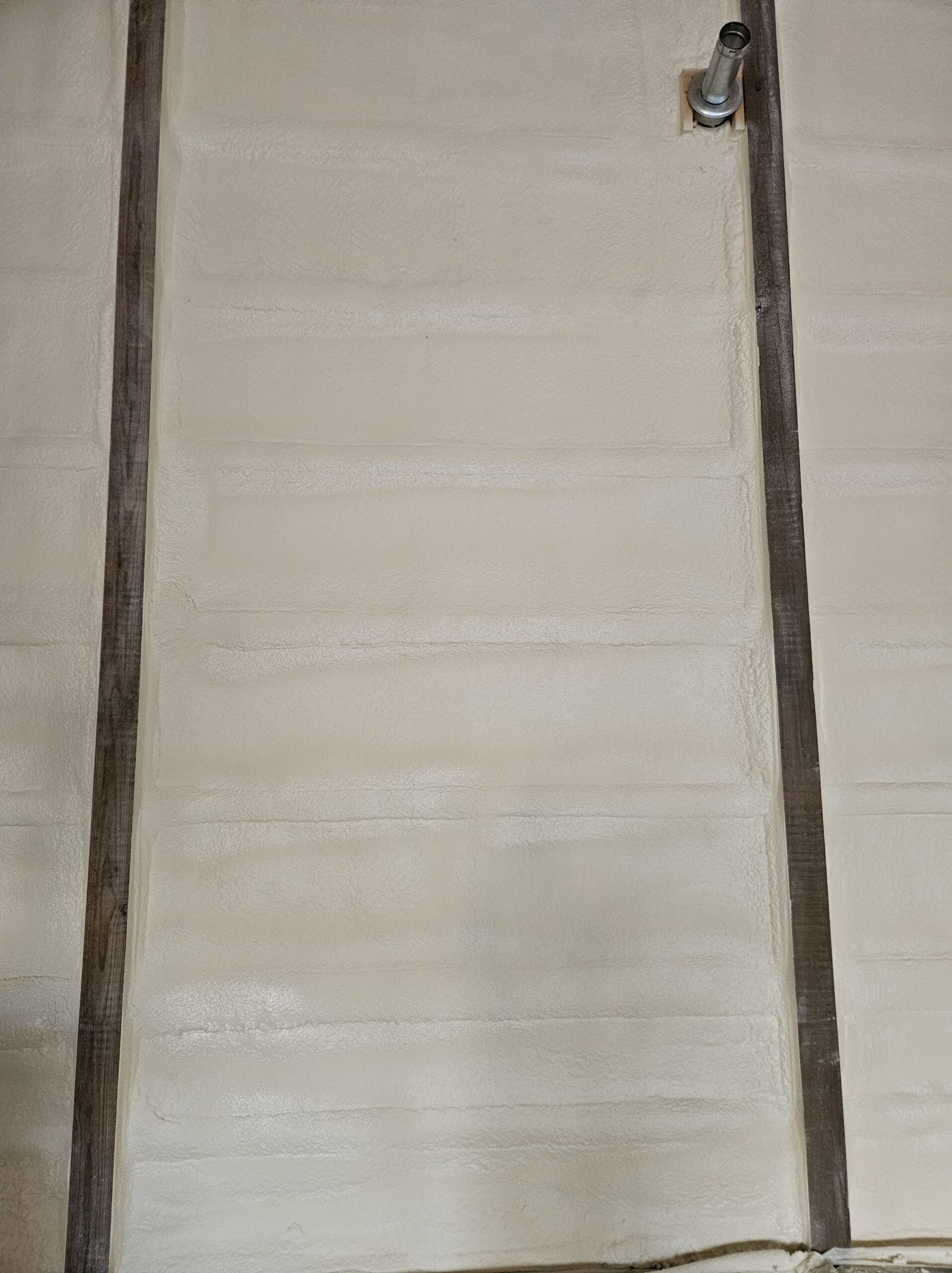
Spray Foam Insulation
Closed-cell and open-cell spray foam systems for residential, commercial, institutional, and agricultural applications across Grand Forks and Grand Forks County. Three dedicated rigs, including a 44-foot commercial trailer for large-scale institutional and industrial projects.
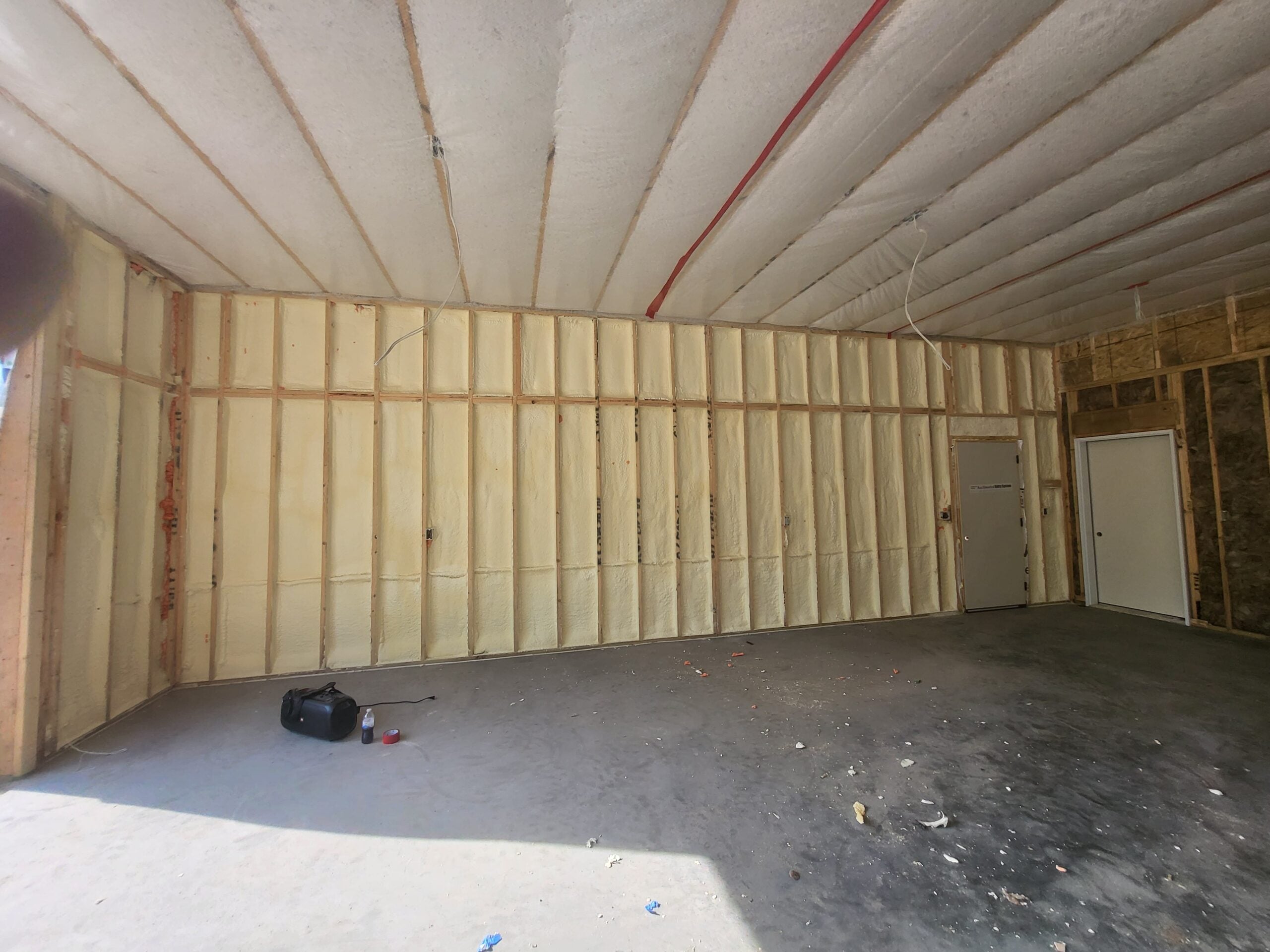
Pole Barn Insulation
Closed-cell spray foam for machine storage, grain handling, agricultural, and rural commercial buildings across Grand Forks County. Stops condensation at metal framing surfaces, seals panel seams and fastener points, and delivers working-temperature performance through Red River Valley winters.
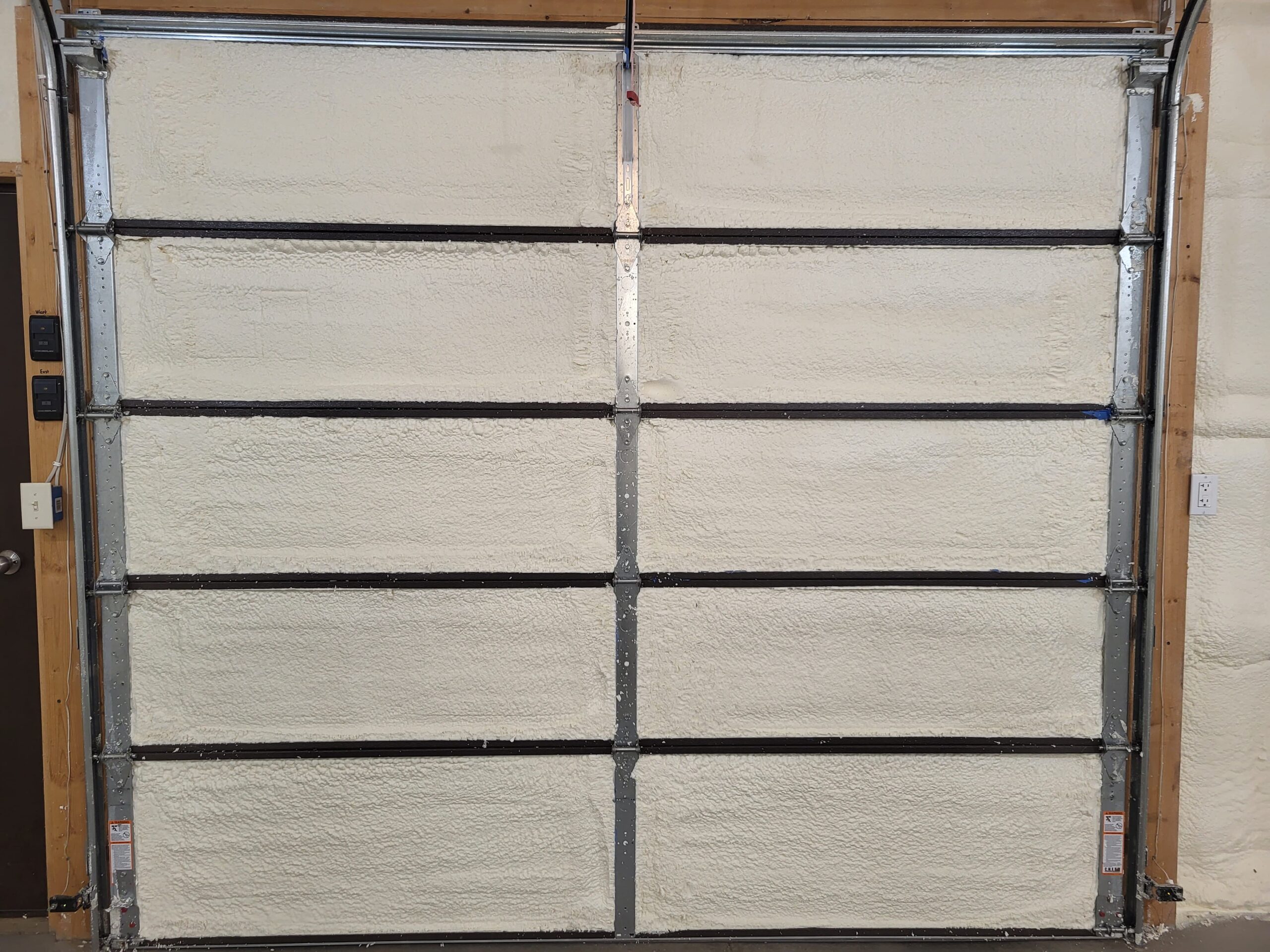
Crawl Space Insulation
Moisture control and floor performance for Grand Forks-area residential and commercial buildings, with vapor management specified for the high water table and ground saturation history that parts of the city carry from the 1997 flood.
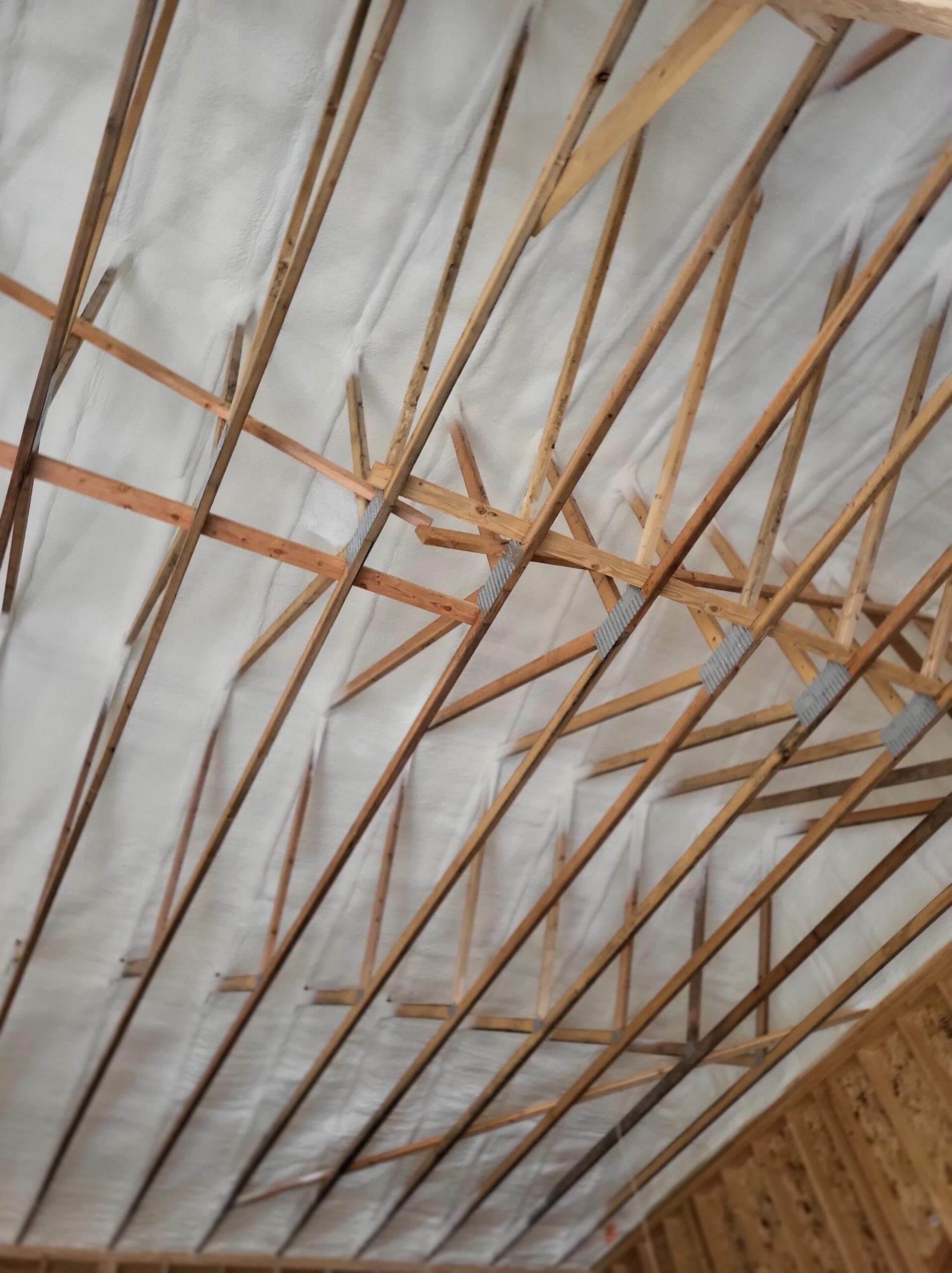
Under-Slab Insulation
Thermal break solutions for new construction foundations across Grand Forks and Grand Forks County, installed before the concrete pour, the only opportunity to build that performance into a slab before it is no longer accessible.
The System Selection Advantage —
Why Having Both Options Changes What Your Building Gets
A contractor who only blows in insulation recommends blown-in insulation for every attic and wall cavity. A contractor who only installs batts recommends batts for every open framing situation. In both cases, the building gets insulated with whatever the crew carries, not with whatever the application actually requires.
A residential new build in Grand Forks often calls for batts in open exterior wall cavities during the framing phase, blown-in over the attic floor to full verified depth, and spray foam at the rim joist and perimeter air sealing points where cavity insulation stops and air infiltration begins. Each system in the assembly produces the best outcome for that specific location. That combination delivers a thermal envelope that performs better through a North Dakota winter than defaulting to a single system across every zone in the project.
TCS carries blown-in equipment, batt insulation, and spray foam rigs because the recommendation for each section of a Grand Forks building should be based on what that application actually needs. Different zones in the same building call for different solutions, and making those distinctions is what produces buildings that perform at their designed thermal standard rather than buildings insulated with whatever happened to be convenient on the day the crew showed up.
Why Grand Forks Contractors and Homeowners Trust Technical Construction Solutions
Foam Expertise Applied to Every Installation
Understanding how attic air bypasses originate, how vapor moves in Grand Forks's climate, and where thermal bridging undermines fiberglass informs every product selection TCS makes. That cross-system knowledge produces installations that go beyond the label's R-value.
15+ Years of Construction Field Experience
Freddy Lewis's background in field work shapes how TCS reads a building before the first rig arrives. Insulation recommendations come from a construction systems perspective: how the wall assembly, vapor management, framing, and thermal envelope interact.
Two Dedicated Fiberglass Rigs
Purpose-built equipment for blown-in work means coverage depth and density verification are built into the process from the start for Grand Forks projects, not improvised with general-purpose equipment.
Red River Valley Moisture Awareness
Grand Forks's moisture history means vapor management in attic and wall assemblies matters more here than in most North Dakota markets. Product selection on every TCS project accounts for moisture performance alongside thermal R-value.
Fair Pricing in an Active Market
Professional-grade installation at a price that reflects what the project actually costs to do correctly. What gets quoted is what gets installed, with no shortcuts on the coverage details that determine if the envelope performs through a Red River Valley winter.
On Time for a Short Construction Season
Insulation delays stall construction schedules, particularly in a market where the build window is shorter than most. TCS's operational capacity and scheduling discipline deliver blown-in and batt work on the agreed date, keeping the project timeline intact.
Get a Free Blown-In and Batt Insulation Estimate in Grand Forks, ND
Insulation that falls short of rated coverage depth costs more than the installation, in heating bills that are higher than they should be, in rooms that never quite warm up on the coldest nights, and in energy loss that compounds through every Red River Valley winter the building is occupied.
The right starting point is a crew that maps coverage conditions and access situations before recommending a system, not one that arrives with one option and applies it uniformly regardless of what the attic or wall assembly actually requires. Start with a free estimate to assess your building, identify the right insulation system for each zone, and give you a clear picture of what it will cost to close the performance gap.