When we talk to property owners and facility managers across Brainerd, whether it's a commercial building owner near Baxter watching foundation moisture work its way into a finished basement level for the second straight year, or a homeowner near the Whitefish Chain dealing with exterior wall moisture that no amount of interior remediation has fully resolved, the pattern is consistent: the waterproofing was addressed at the symptom, not the source.
Moisture infiltration in Minnesota buildings doesn't follow a straight path. It enters through the building envelope at points of least resistance, roof seams, wall assembly gaps, foundation penetrations, air pressure differentials that pull humid outside air through imperfect barriers, and appears somewhere else entirely. A contractor who treats only the visible damage and leaves the entry point intact produces a repair that holds until the next weather event.
A property manager just outside Crosslake had spent two years managing moisture damage on the lower level of a commercial building. The problem had been addressed twice: once with interior drainage and once with a partial exterior coating on the foundation wall. Neither fix held through a second Minnesota winter.
When we assessed the building envelope, the primary entry point wasn't the foundation at all: it was air infiltration through unsealed wall assembly gaps above grade that was driving condensation into the lower-level assembly. The foundation coating had been applied to the wrong surface entirely.
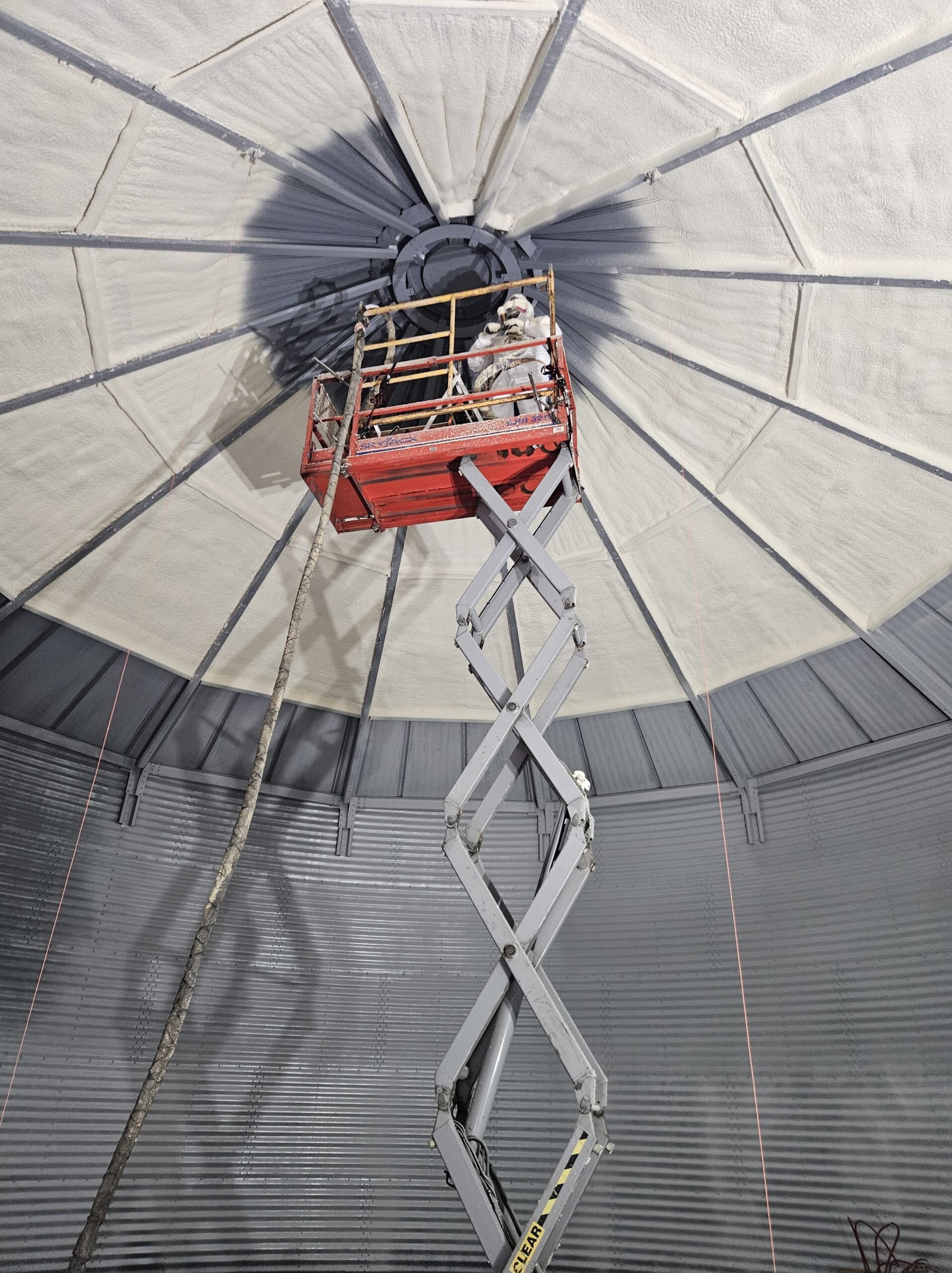
We sealed the wall assembly air gaps with spray foam, applied a proper exterior waterproofing membrane to the full foundation perimeter, and the moisture problem cleared within one season.
Waterproofing that works requires understanding how your specific building handles water, air, and vapor across the full envelope, not just the surface where the damage shows up.
Envelope Assessment First
System Selection Second
Application Third
Technical Construction Solutions was founded by Freddy Lewis, who grew up in a highway construction family and spent 15 years working in the field before building TCS around foam and spray technology. That construction background shapes how this crew approaches every waterproofing project: envelope assessment first, system selection second, application third.
If your building is dealing with recurring moisture infiltration, interior water damage, or a waterproofing system that failed ahead of schedule, a free estimate is the starting point.