When we talk to homeowners and contractors looking for reliable insulation services across the Upper Midwest, whether it is a homeowner in northern Wisconsin whose heating bill climbs every January despite having insulation already installed, or a builder in North Dakota managing a residential development where attic insulation is the last phase before occupancy, the concern tracks the same way: "We have insulation. Why is it still performing like we don't?"
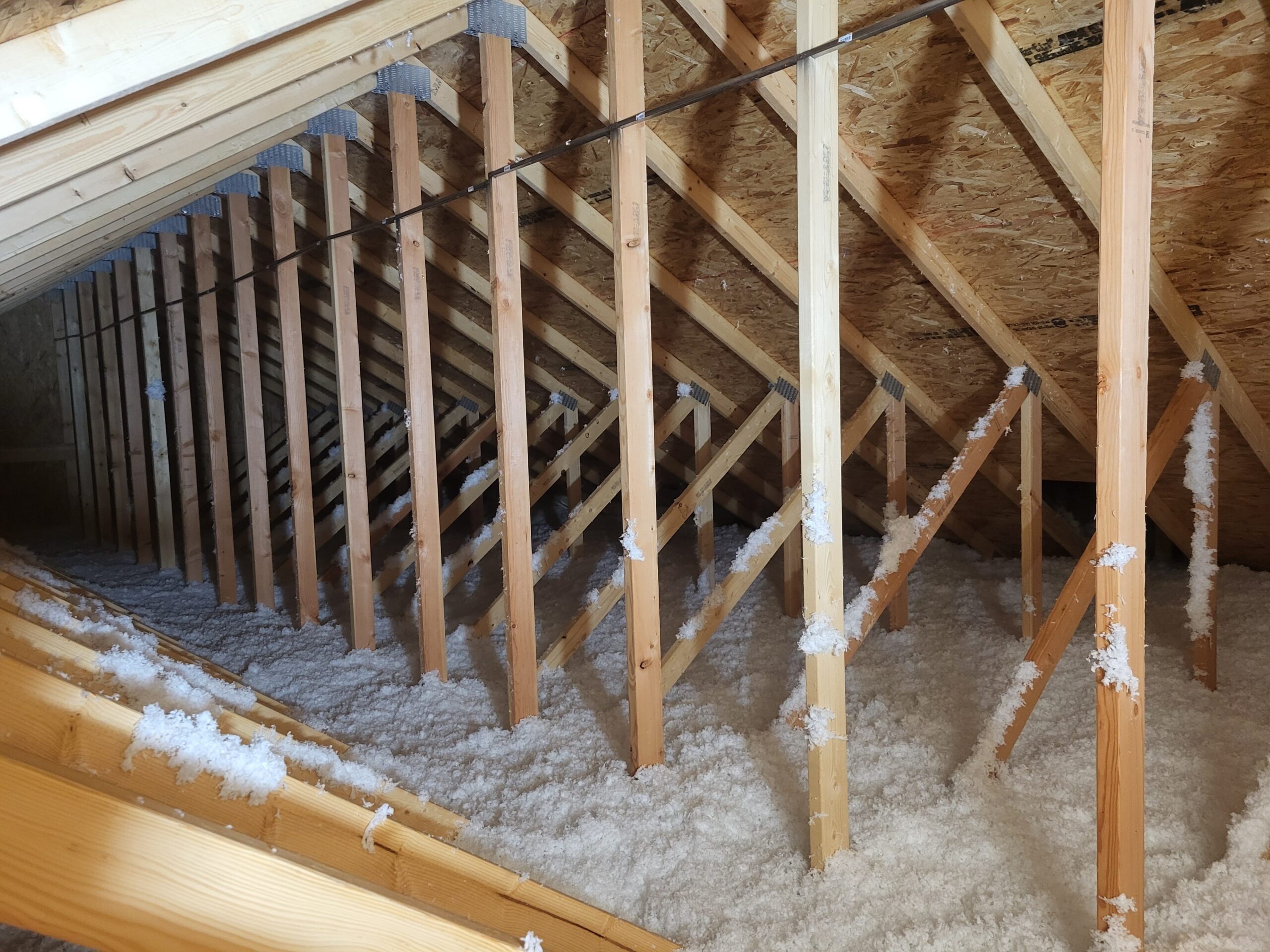
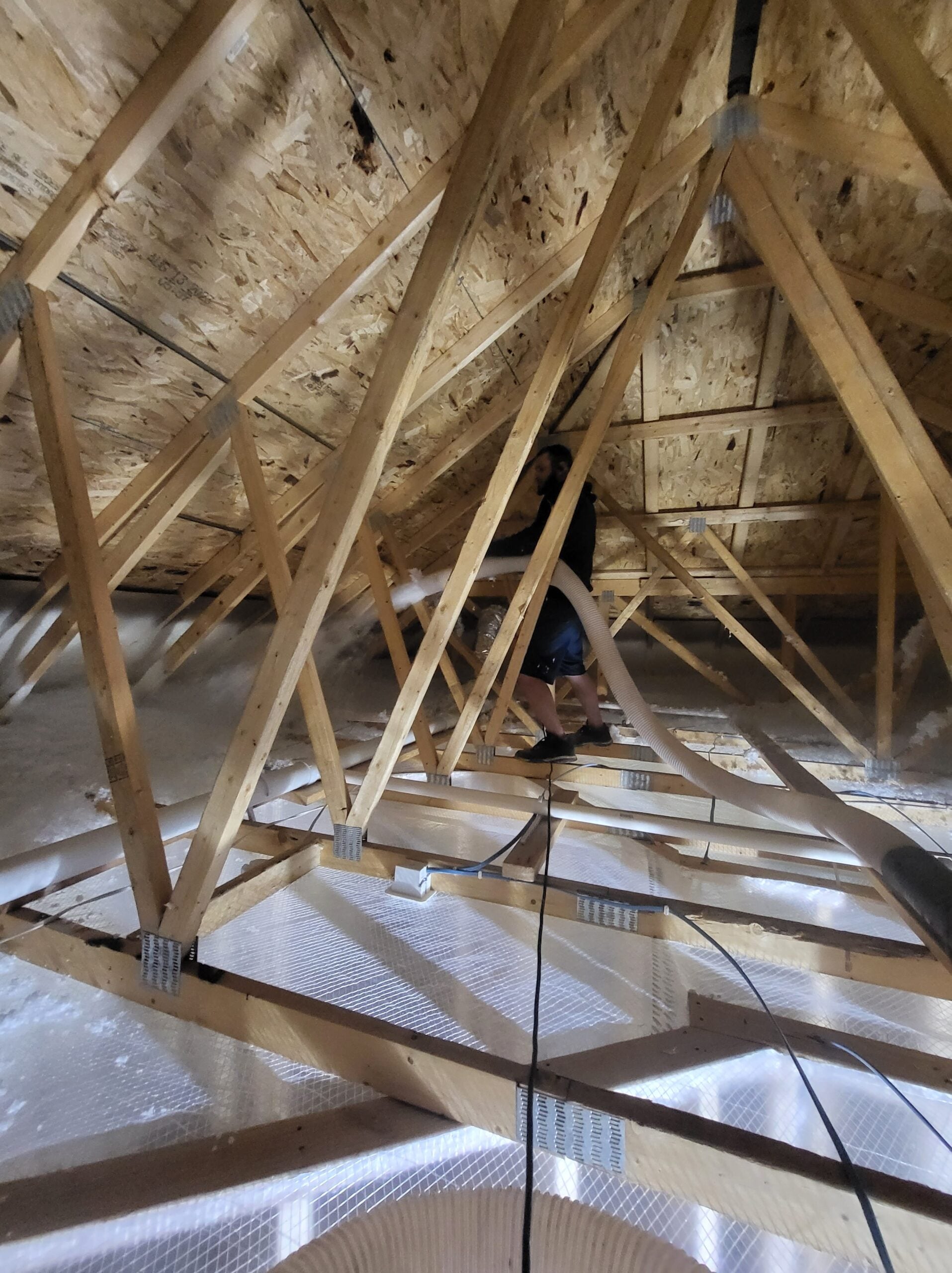
Blown-in insulation underperforms for two reasons more than any other. The first is coverage depth. The installed depth at the time of application does not account for settling over time, and the resulting R-value after settling is meaningfully lower than what was initially applied. The second is coverage uniformity. Blown-in insulation applied by a crew moving too fast across an attic floor leaves thin spots at framing members, corners, and eave areas that become the primary heat loss channels for the life of the building.
I remember a conversation with a homeowner outside Fargo who had called us after his energy audit flagged significant attic heat loss despite having blown-in cellulose installed two years prior. When we went into the attic, the average depth across the field was within range, but the eave areas and the sections over the top plates were consistently thin, in some spots down to two inches.
That is exactly where the heat was going. The crew who installed it had prioritized speed over coverage, and the homeowner had been paying for that decision in every heating bill since. We added depth across the field and brought the eave areas and top plate sections up to a uniform coverage standard. His energy auditor confirmed the massive heat loss reduction the following winter.
That outcome is completely preventable. Blown-in insulation that performs across an Upper Midwest winter is blown-in applied to the correct depth, at the correct density, with consistent coverage from eave to eave, not blown-in that simply looks right from the access hatch.
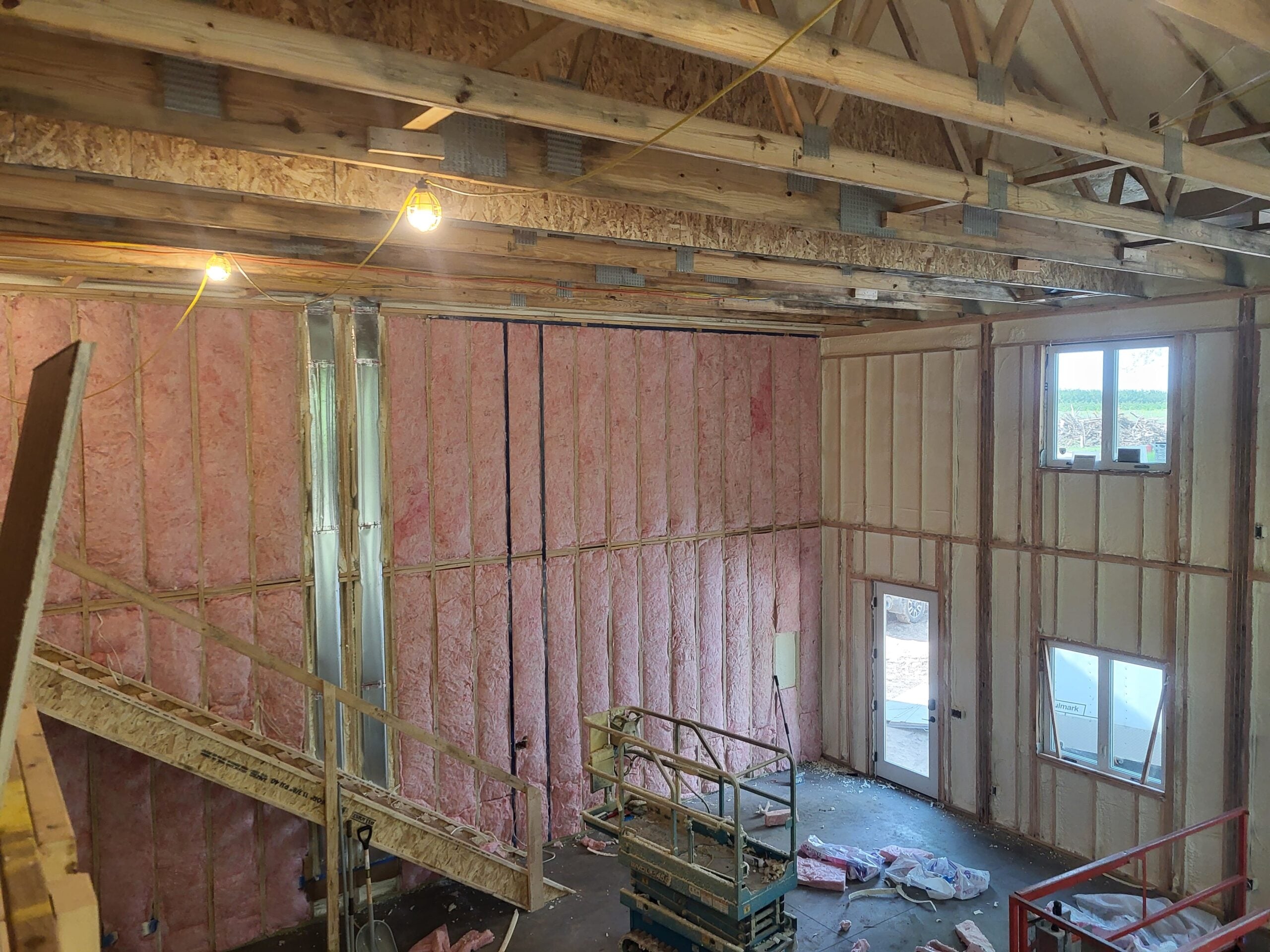
Technical Construction Solutions was founded by Freddy Lewis, who grew up in a highway construction family and spent 15 years in the field before building TCS around foam and insulation technology. That foundational construction background shapes exactly how this crew approaches every single blown-in project: access assessment first, coverage mapping second, and application third.
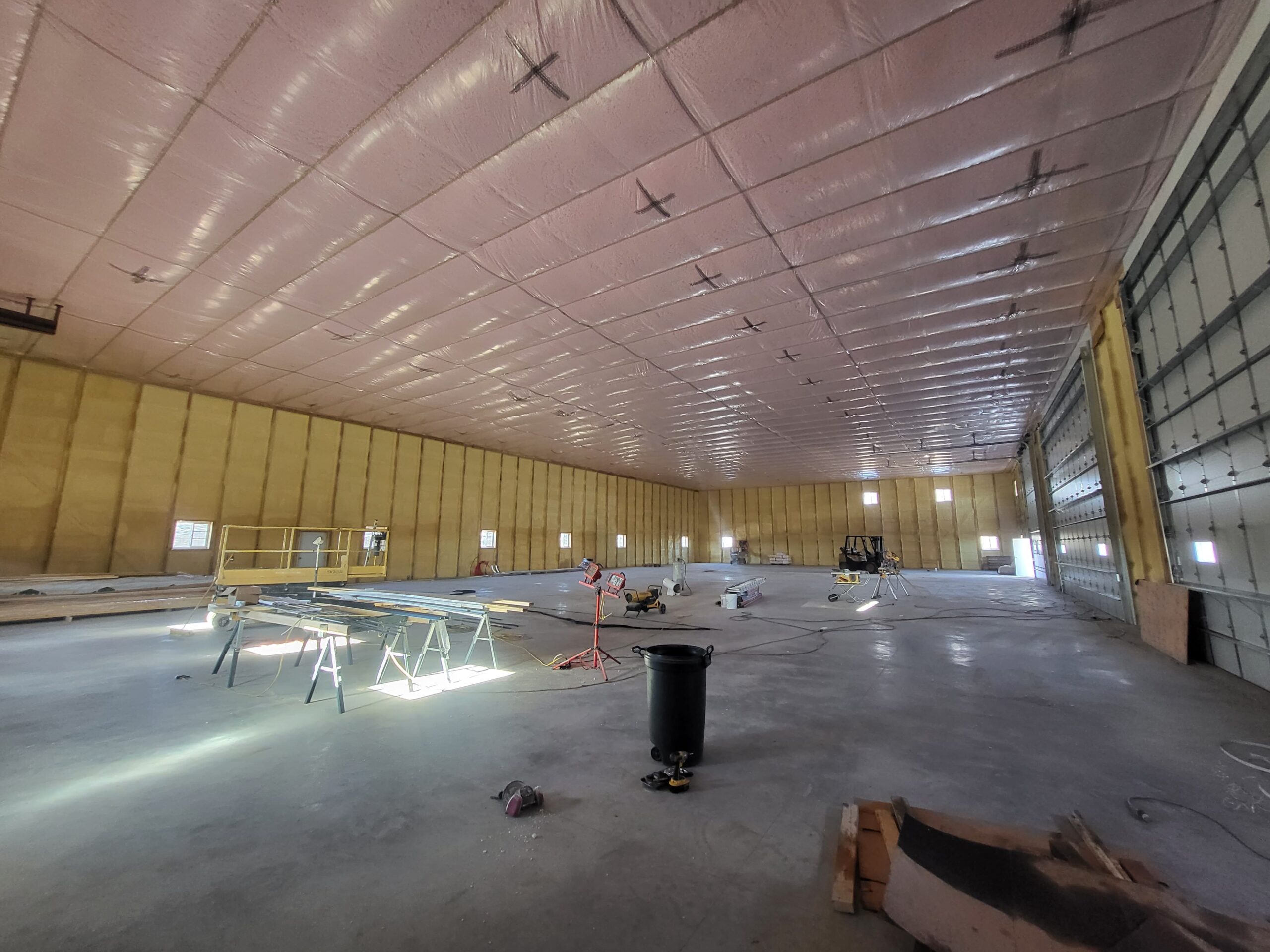
If your attic is losing heat, your energy bills are climbing despite existing insulation, or you are planning a new build and want the thermal envelope done right before occupancy, a free estimate is the starting point.