When we talk to homeowners and contractors across the Upper Midwest, whether it is a builder breaking ground on a new commercial facility in Fargo, a homeowner retrofitting an older lake cabin in northern Wisconsin, or an agricultural operation in South Dakota that needs a pole barn insulated before the first hard freeze, the frustration is consistent: "I had insulation done, and I am still losing heat."
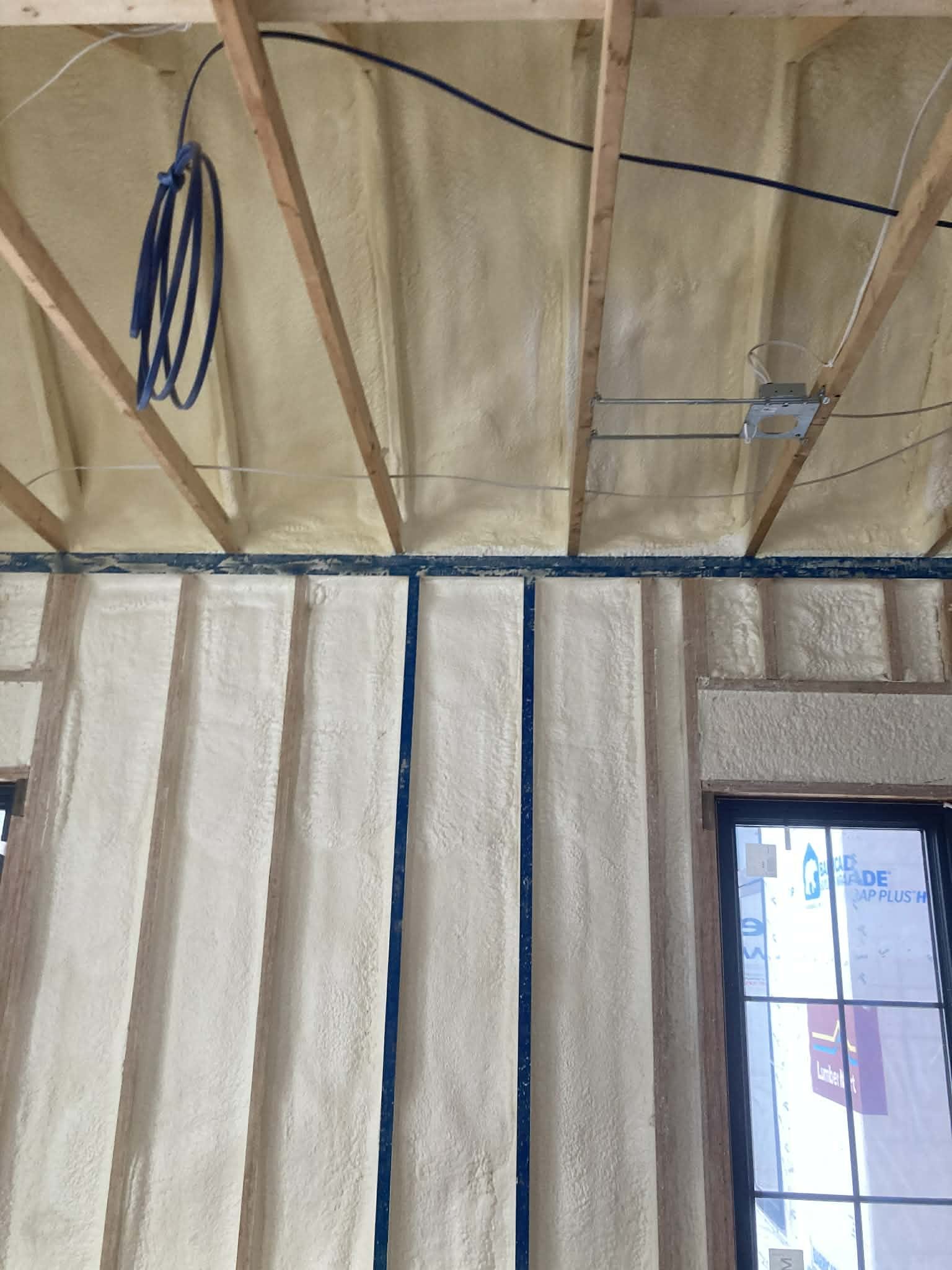
That frustration almost always traces back to the same source. The wrong system went into the wrong application, or the contractor who did the work lacked the equipment or expertise to execute it properly. A single-rig operation stretched across too many jobs applies foam at inconsistent pressure and temperature. This produces variable coverage that leaves thermal gaps the customer cannot see until the first cold season reveals them in the energy bill.
I remember a conversation with a general contractor managing a large commercial build outside Sioux Falls who had worked with three different insulation crews across a multi-building project. Each crew had completed its section, but the building envelope performance across the finished project was highly inconsistent. Some sections held heat well, while others did not.
The issue was not the design. It was that each crew had brought different equipment capacity and different application disciplines to the exact same specification. When we came in for a remediation assessment, two of the three sections needed supplemental sealing at rim joists and penetrations that should have been completely addressed in the original application.
That kind of inconsistency is exactly what happens when insulation is treated as a commodity rather than a highly technical application.
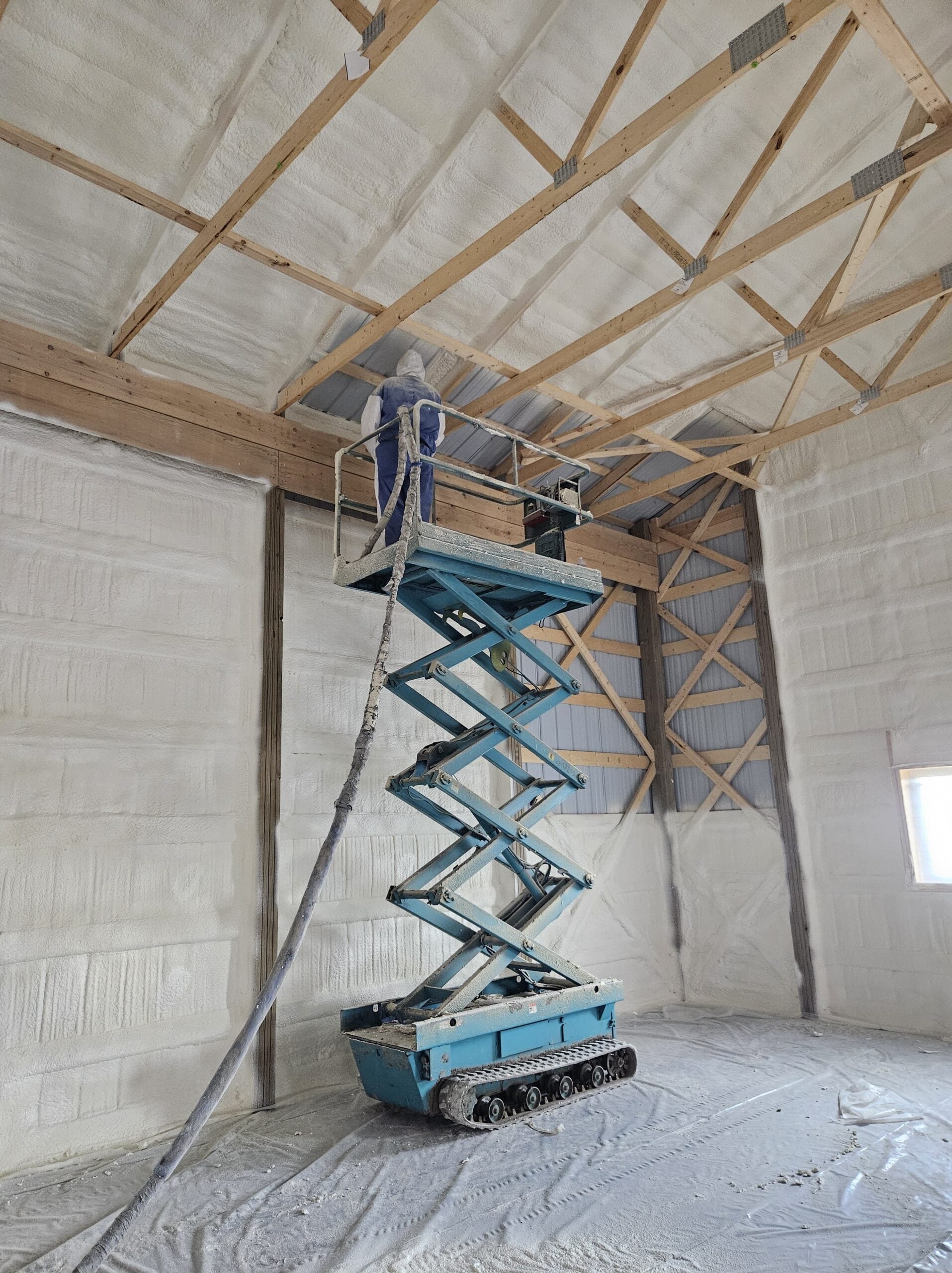
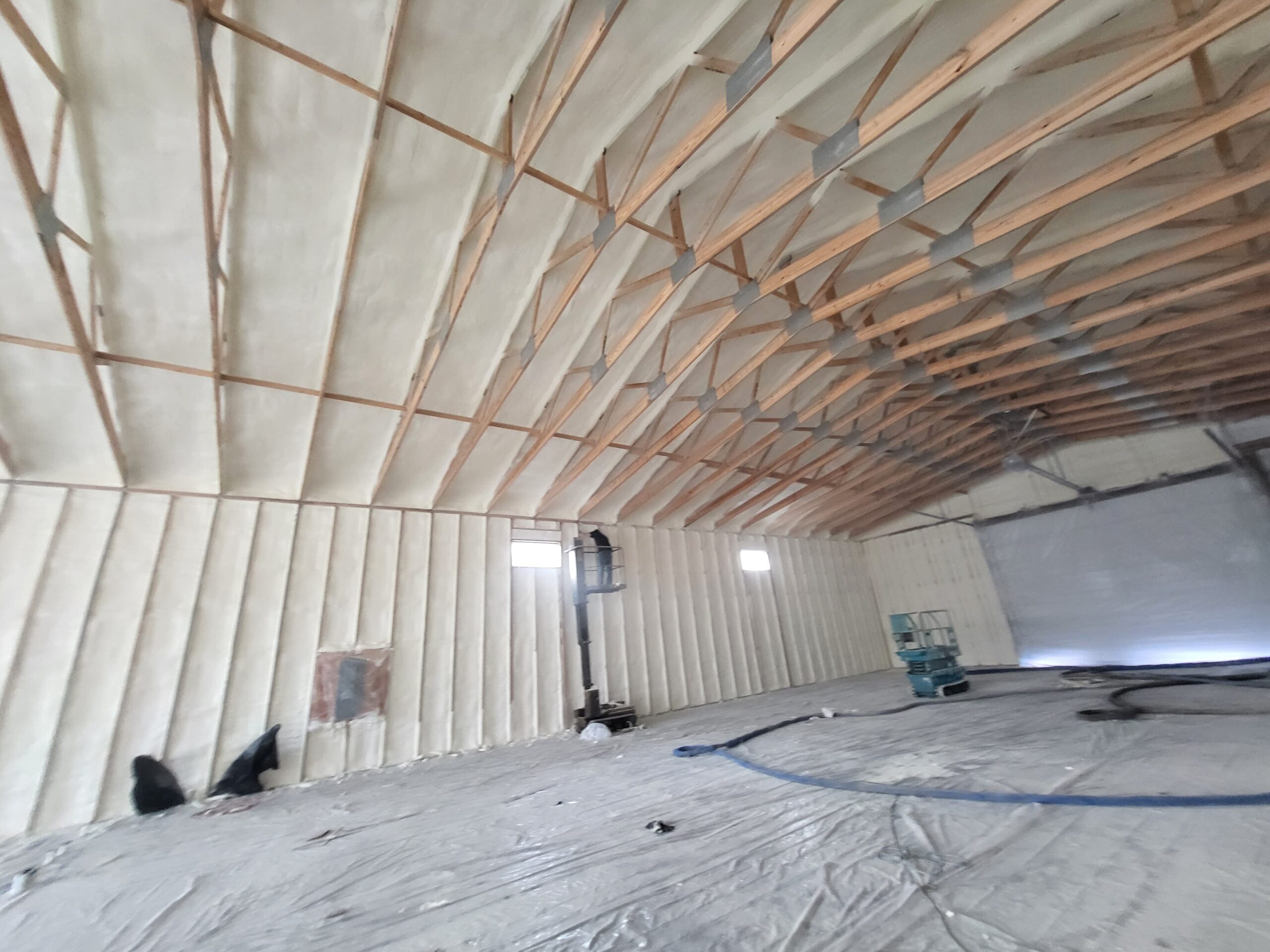
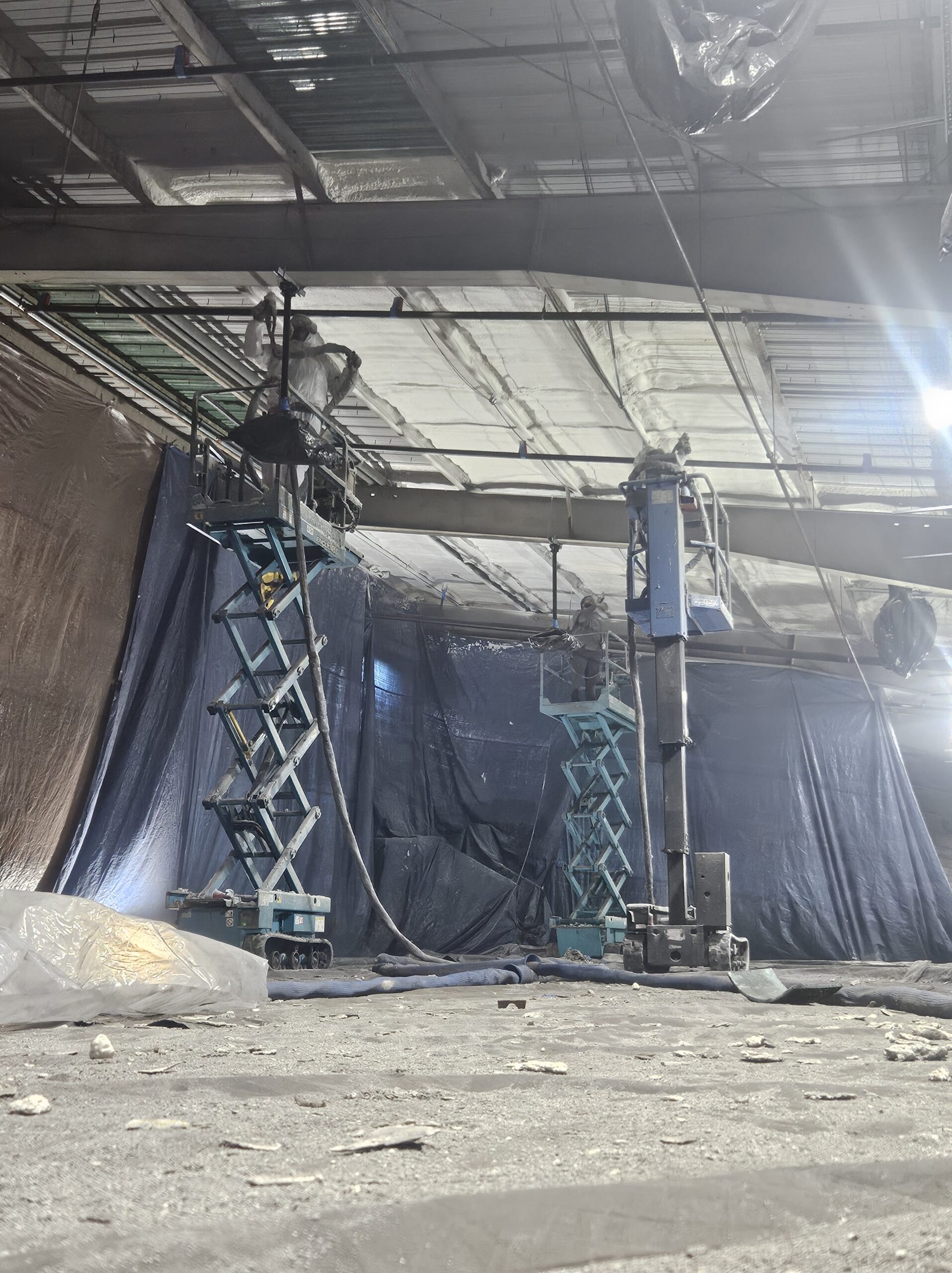
Technical Construction Solutions was founded by Freddy Lewis, who grew up in a highway construction family and spent 15 years in the field before building TCS around foam technology from the ground up. TCS started with a single used foam rig and grew into a three-rig operation featuring a 44-foot commercial trailer specifically because the demand for consistent, large-scale spray foam capability across the Upper Midwest outpaced what smaller operations could successfully deliver.
If your building is losing heat, your energy costs are climbing, or you are planning a new build and want it sealed properly from the first application, a free estimate is where it starts.